Prevent Bad Reviews Before You Get Them


 RSS Feed
 Most practices chase stars on Google and stop there. But proactively seeking feedback from patients before requesting a review is the earliest warning that a process or a person is quietly letting people down. Practices that survey their patients catch those problems in private, long before they turn into a public shaming or a legal battle.
In 1988, after realizing patients choose their surgeon by listening to other patients, Marie Olesen at La Jolla Cosmetic Surgery Centre began surveying every patient without exception.
Hear why cherry-picking happy patients instead of including everyone drops your one-star rate roughly seven times below what shows up on Google, and learn how anonymous surveys give the whole team permission to help a frustrated patient before that patient ever feels the need to go public.
Questions answered by this episode
- How do you get more patient reviews for a medical practice?
- How do you respond to a negative patient review?
- Should you ask every patient for a review?
- How do patient surveys prevent bad reviews?
- What is Real Patient Ratings?
- Why are online reviews important for cosmetic surgery practices?
- How do you use patient feedback to improve your practice?
- What is the difference between Google reviews and patient survey reviews?
- How do you benchmark providers using patient satisfaction scores?
- How do you build a practice culture around patient feedback?
Guests
Marie Olesen
CEO, La Jolla Cosmetic Surgery Centre & Founder, Real Patient Ratings
Marie Olesen is the CEO of La Jolla Cosmetic Surgery Centre in San Diego, the practice her late husband, Dr. Merrel Olesen, founded in 1988. Frustrated by unverified online reviews, she built Real Patient Ratings and its parent company, Vizium360, and holds a US patent for a survey system that turns anonymous, verified patient feedback into ratings a practice can act on. She co-authored Cosmetic Surgery for Dummies and has spent nearly four decades studying what aesthetic patients actually want, collecting patient feedback at La Jolla Cosmetic every year since 1988. Her core belief runs through the whole episode: what management sends down the pipeline is what the patient ultimately receives.
Connect with Marie on LinkedIn
Learn more about La Jolla Cosmetic Surgery Centre
Explore Real Patient Ratings
Janelle Robinson
COO, La Jolla Cosmetic Surgery Centre
Janelle Robinson is the COO of La Jolla Cosmetic Surgery Centre, where she has spent more than two decades — starting straight out of college as a marketing assistant and rising to run the Centre's day-to-day operations. She leads the teams that talk to patients all day, turning survey feedback into concrete process changes and personally stepping in when a patient needs someone in their corner. She holds a marketing degree from California State University San Marcos.
Connect with Janelle on LinkedIn
Learn more about La Jolla Cosmetic Surgery Centre
Guest host: Eva Sheie
Founder, The Axis
Eva Sheie steps in for Andrea Watkins to host this episode. As the founder of The Axis, Eva has spent years serving aesthetic practices — including La Jolla Cosmetic — on the content, reviews, and patient-experience data that shape how patients choose a surgeon.
Practiceland is presented by PatientFi — the patient financing partner built for aesthetic practices. PatientFi gives your patients access to flexible payment plans and gives your team the tools to offer financing confidently, without the awkward money conversation.
Learn more at patientfi.com/aesthetics
SHE DID WHAT?
Got a wild customer service story or a sticky patient situation to share? If your tale makes it into our "She did what?" segment, we'll send a thank you gift you'll actually love. Promise, no cheap swag here. Send us a message or voicemail at practicelandpodcast.com.
SUBSCRIBE
Are you one of us? Subscribe for new episode notifications and more at practicelandpodcast.com.
Host: Andrea Watkins
Producer: Eva Sheie @ The Axis
Assistant Producer: Mary Ellen Clarkson
Engineering: Chris Mann
Theme music: Full Time Job, Mindme
Cover Art: Dan Childs
Practiceland is a production of The Axis
Marie Olesen (00:00):
So to me, that's another aspect of a negative review is why does this person feel that the only way they can be heard is by going public?
Andrea (00:15):
Well, hi there. I am Andrea Watkins. And if you're listening to this while juggling three patient calls, checking in a couple patients, taking a payment, selling skincare and trying to catch your doctor in between procedures, you might be working in an aesthetic practice.
Blake (00:29):
And I'm Blake Lucas and this is PracticeLand. This is not your doctor's podcast.
Eva Sheie (00:35):
This is a really special episode and I'm standing in for Andrea Watkins. My name is Eva Sheie, and this is PracticeLand presented by PatientFi. And my guests today are Marie Olesen and Janelle Robinson from La Jolla Cosmetic. Thank you both for being here.
Marie Olesen (00:51):
Glad to be here.
Eva Sheie (00:53):
Janelle, not glad to be here?
Janelle Robinson (00:55):
Yes, of course. Always.
Eva Sheie (01:01):
This is pretty much the dream team. And between the two of you, I'm not going to count how many decades of experience you have, but you have a special work relationship that's turned into a lifetime relationship. Marie, do you want to describe a little bit of that history before we get into it?
Marie Olesen (01:21):
Yes. So Janelle just celebrated her 21st year with us and we were looking back and she came straight out of college as a marketing assistant. And then she evolved in the organization taking more and more responsibility and we changed titles along the way. And she's now the CEO, COO, and I'm the CEO. And she has two daughters. She has twin girls who were just 16. And we joke that Janelle is so efficient she had her two children in one pregnancy. And it's not a bad analogy for how she conducts her life really.
Eva Sheie (02:10):
Do you agree with all of this, Janelle?
Janelle Robinson (02:12):
Absolutely. I didn't want to have to take another maternity leave. So I thought, how can I get more bang for my buck? Right? Yes.
Eva Sheie (02:24):
So in terms of the day-to-day and how you work together, who leads what inside the practice?
Janelle Robinson (02:31):
I'm really here on a day-to-day basis, but Marie and I closely work together even if we're not physically together. And really she's the heart of this practice and where a lot of the culture and values and everything were stemmed from. And my working with her so closely for 20 years, I can really extend a lot of that vision on a daily basis being here physically.
Marie Olesen (03:01):
And we've lately, because I'm only physically on site one day a week and I work part-time at this point, we try to say if there's something ongoing, I'm not going to come in on my one day a week and get in the middle of something where she has already had conversations or whatever. So I deal with the surgeons. I deal with strategic issues. I'm help on the marketing. I'm the mom that creates a culture where people feel welcome and respected and loved actually, so they can then take those same characteristics to the patients.
Eva Sheie (03:45):
You said it so well. I have also benefited from the way that you approach work. And you just said something about feeling loved. And what popped into my head was flowers. There are so many things that you've baked into the culture that tell people that they're loved, not just the people who work there, but the patients too. And so that's just one of them, but there's probably hundreds more.
Marie Olesen (04:13):
Well, Dr. Swistun was just wrote me one evening this week and said that it's a wonderful place and we're doing very well, but that he had a patient's husband who said, "We expected the medical excellence. We're very pleased, but we didn't understand what the experience was going to be. And what an incredible team of people, everyone kind, everyone helpful. And that's what you want because they're scared and they're going through something they've never gone through before." And my belief is that what management sends down the pipeline is what the patient ultimately receives. So if I'm difficult requiring lots of energy from the staff to deal with my bad moods or whatever, then the resources they're going to have to meet the needs of the patient are artificially limited by my bad behavior. But if I'm sending love down that pipeline and support and admiration for their professionalism, then they're going to have more energy to deliver that to the patients. And I think we see that happen every day, Janelle.
Janelle Robinson (05:40):
Yeah. And I would say too, to kind of piggyback on that, and that was something I was going to say that I remember her saying early on was whatever we say to the staff, timing is very critical because you don't want to do it in the morning when they're going to be taking care of patients all day long. And so really to be conscientious of that and how that's going to affect the patient experience. But not only that too, I think the biggest thing that we try to do is we take the patient feedback, but we take the internal feedback and we look at how things can get better instead of being like, "Who did this? And how did this go wrong?" And be really punitive. We're all going to make mistakes and everybody has good intent. It's just a matter of how can we avoid it from happening again?
(06:33):
Because we don't believe anybody comes and intentionally drops the ball or makes a mistake. And so there was just something maybe in the support or the processes that didn't allow them to succeed. So we just look at how we can improve that moving forward.
Marie Olesen (06:54):
So my late husband founded this practice 38 years ago this month. And we have a little sign or saying that we founded an antique show about the time the practice was opening. And it said, "The secret of success is doing what you have to do better than you have to do it." And so there's that sense of the pursuit of excellence and being proud of the place where you work and the care that you're giving. And we have, I don't know, at this point, hundreds of years of team because we have over 30 people, many, many of whom have been with us 15 or 20 years. And that's even with the ones who've already retired out because we've had a number of retirements in the last few years. And my husband was very, very kind. He was a perfectionist, but the most he'd say when he was mad was, "How could this happen?" And you just didn't want him to be disappointed because he took such good care of his patients and was so kind to everyone.
Eva Sheie (08:10):
At one point I learned that the striving is the point. And the way that you know that a company culture or a business's culture is failing is that people stop striving for perfection or for excellence. And you never stop trying to make things better. Even if that goal is completely unattainable, that's not the point. The point is that everyone that's there keeps trying to make it better.
Marie Olesen (08:39):
Right. When we first founded the practice, we had made a whole bunch of decisions about what we thought the consumer wanted in terms of our location, our decor, how we advertised, whatever. And a lot of those things turned out to be wrong. And when someone threw a four-page medical history back at the receptionist and said, "I'm not filling this out. I haven't even decided if I'm going to hire you." And someone else walked in and looked at this gorgeous living room and said, "I'm not paying for this." And we thought, "We don't know what we're doing. We have good intent here, which is to provide a special place for the cosmetic patient." But it was our theory about what she wanted or needed. And so we began surveying patients in 1988, and we now have 38 years of patient feedback. And I think that we probably have the most enduring of any practice in any specialty in the country.
(09:50):
And aesthetic medicine is driven by the patient. They're the payor. And so us doing what we can to understand, I'm going to say she, because it's 82% women, what she wants, it just seems like the kind thing to do as a human, but it's also a smart thing to do. And we all agree we want to serve the patients so they have the highest voice in all of this.
Eva Sheie (10:25):
Which brings us to why we're here today, which is to talk about reviews. And that's the outcome of the patient experience. So most practices treat reviews as something that they're just supposed to get. They don't think about it beyond the impact of how they look on Google search or on a Yelp page or wherever it is that that patient is looking. But you do that differently and you leverage them for many things, including marketing, but also as an operating tool. So that's really what we want to learn from you today. Walk us through how the reviews are used tactically in the practice today. Like what do you do with them? You have thousands and thousands of them now. I just looked. I couldn't believe the number. And I've never seen anyone with more, which comes from just asking everyone, right?
Marie Olesen (11:20):
For a long time.
Eva Sheie (11:22):
Yeah.
Marie Olesen (11:24):
So from 2011, we've been asking through real patient ratings. And then for almost 20 years before that, we were asking in paper surveys. And so the system is the patient has a visit, a consult or a treatment or a surgery and a independent invitation comes from a third party, in this case real patient ratings. And the patient is allowed to anonymously provide their feedback and their overall satisfaction score becomes the rating and their reason for that score becomes the review. And then they've answered many other questions. And then we use the answers to those questions to find issues within our service systems or our care or communication or education. And then to fix them. If you hear it, if there's a recurring theme, then we know the consumer's changing because we had it fixed at one point. And so then we need to adapt to new consumer needs.
Eva Sheie (12:36):
Can you think of any examples? Go ahead, Janelle.
Janelle Robinson (12:39):
Well, I was going to say too, the nice thing about it being sent to them in a survey format is it's giving them an avenue and an opportunity to let us know, was there a problem instead of letting it fester, never come to life and then later end up on Google or Yelp. And so we've been able to pick up a lot of things that we may not have ever known because we're truly asking for their feedback. And that in itself speaks volumes to people. And then when we do ask if we can be in touch with the patient, if they will reveal their identity, they are actually really surprised that their survey was even read and that we even care to reach out. I mean, it's really, really an opportunity to turn things around for people.
Eva Sheie (13:36):
Do you have any stories you can tell us about things you learned from the surveys?
Janelle Robinson (13:44):
I mean, so much. In every single time, that is the thing that whether it's been Marie or I have spoken to the patient, we always say, as a result of this feedback and your experience, we don't just tell them we're going to make a change. I try to tell them what that change actually is and was. And so I mean, I remember actually I had a patient who was disappointed about where her arm lipo incisions were because the arms are a little bit more visible. And even though we do the marking before surgery, they don't always know, are you marking the area that the fat is going to come out of? Are you marking the area where the incision is going to go? And so we actually started taking pictures of the markings and making sure that whole process was more clear for the patient and that they understood and that the markings for the incisions were different than the markings for the area treated.
(14:56):
So we've made some changes because we realized, wow, we're marking that whole area. They don't know how to distinguish or interpret that. And so that was one thing that I can think of off the top of my head. But if somebody's feeling it a certain way and they're confused throughout the process, there's usually a valid reason for it. And with systems and technology changing, we have to always be improving how we get that information to people.
Marie Olesen (15:31):
The reviews come in to us weekly and then I share them with the entire team. And I find that the reviews, comments when the reviews fall within three categories. One is lovely things about the surgeon and how they educated them and listened to them and whether they were easy to talk to. The second is about our general organization and the team and how consistent their care delivery was across a whole team of people. And people just respecting or referencing that they're clearly in a system of care and communication and that it makes them comfortable and is very reassuring. And then the last thing area is what it meant to the patient herself or his self. And now I feel better when I wear my dress or now I stand up straighter or now I go to the beach and I didn't go to the beach before.
(16:39):
So then when I share those with the staff, I literally highlight the sections of the reviews by color. And for me, I really want to see reviews that talk about the provider, talk about the whole experience, and then talk about what's in it for me. How is my life going to be better? And so that another patient reading those reviews and thinking, should I do this? Here's the impact that it actually had on that person's life.
Eva Sheie (17:17):
This is true with all the content that we look at and publish across all the systems. And I'm fortunate enough to have seen a lot of this data. And it was also your practice where I learned that people want to know what's their life going to be afterward. They want to hear the doctor talk about what your life is going to be like after surgery. They want to put themselves into the future and see that. And that's why reviews are so important to that shopping patient because they're trying to figure out how am I going to be different? And am I going to be safe?
Marie Olesen (17:54):
I think that Merle and I wrote Cosmetic Surgery for Dummies.
Eva Sheie (17:59):
I have it here somewhere.
Marie Olesen (18:02):
I spent literally like 34 pages on how to choose a doctor, medical specialization, how to be sure you're in a certified OR or whatever. Well, the book was not a bestseller and did not move the needle. And when ratings and reviews came in, I thought this is how patients are going to choose doctors. They are going to go to their fellow citizens and they are going to listen to what they have to say. And so since that's going to determine whether we're flourishing, we better know ourselves what they're saying. And because we'd been serving for so long, we already knew what our patients were saying. And we had had, Janelle has one right behind her. We had these leather books in our waiting room in the '90s with all the single page reviews, surveys and people would put them in and we'd put them in the waiting room.
(19:05):
So literally we've been helping patients read other patients' reviews of our services since 88, because we started it almost instantly when we realized we didn't know what we were doing. I mean, our intent was good, but we didn't understand the person that we were trying to help and what their needs were.
Janelle Robinson (19:28):
Well, whenever we have a new hire, I do this. I like to meet with them on the first day to give them kind of an overview of our systems and what the teams do. And one thing that I say is how we've been serving from the beginning and how the pre-op booklets are evidence of that coming from a survey. And that is how serious we take it that there was software developed and a book formed and then later, you know what? It's really important, I think, for a new hire to understand how valuable the patient feedback is and how much we really focus on their experience.
Marie Olesen (20:16):
Yes. Yes.
Eva Sheie (20:18):
When a doctor or a provider is called out by name with negative feedback, either in a survey or a review, what is your process for handling that?
Marie Olesen (20:29):
We share it privately. Usually I don't share it with the entire group because our group happens to include our team of about 30 plus our med spa team. And they're basically so rare, less than 1% that it just. And unless there was a review, a one that really said we can all learn from this rather than an individual physician needs to learn from it, then I don't share it with the whole team. Again, I would not embarrass someone across 30 people over a random, rare response by a single patient.
Eva Sheie (21:18):
Why do you think that it's so rare that you just don't get them? I mean, I've seen other practices get them a couple times a month.
Marie Olesen (21:27):
Because we truly serve. We do not think the patients are chattel. We know they have many choices and we serve. And we flourish from that attitude. And this is like the husband saying to Dr. Swistun, we knew she was going to get good surgery. We had no doubt about that. But we're just odd by what a great experience this is and how a whole team of nice people. And no drama. We have little to no drama. And that comes from our founder who's not with us anymore, but that part of him lives on for sure.
Janelle Robinson (22:16):
Well, and I think just the sheer fact that everyone here knows that every patient is going to receive a survey does change behavior too. And I do think everyone here, we choose to hire people who are aligned with our values. But at the end of the day, I think you can't help but not have that in the back of your mind.
Marie Olesen (22:41):
That's true.
Janelle Robinson (22:42):
So it does make a difference because you can't escape your bad behavior.
Marie Olesen (22:51):
And really that we're not going to use it punitively.
Janelle Robinson (22:54):
No.
Marie Olesen (22:54):
We're truly trying to understand, are we unintentionally disappointing them? And is it something we can fix so we don't upset someone else? I still used to say that I feel a little bit like Atlas with the big rock on my back, pushing it up the mountain, trying to get everyone to really understand what the patients needed and wanted. And once we had real patient ratings and we had the surveys coming, somehow that changed it. And everybody took. Suddenly this isn't Marie or Janelle's theory about what patients want. Here it is in black and white. And then these reviews are coming all the time. And every time they come, they're shared. And so I think everyone has really learned what creates a review we can all be happy with and when do we feel slightly vulnerable if we have just unintentionally disappointed somebody?
Janelle Robinson (24:02):
Well, I think the benchmarking is another big part of it because if you just told one of the doctors their satisfaction score is 96% or that they have an average score of 4.6, how would they know is that good? And so having the benchmarking amongst the group of our physicians or those in the system on the West Coast or nationally, it really helps them know how they stand against the norm. And that score means more to them then.
Marie Olesen (24:43):
I'll tell you, this is from the real patient rating side. I had a large OBGYN group of about 45 doctors start using real patient ratings. And we did an additional initial survey of looking back for some period of time. And so the manager called me and he said, "Okay, Maria, I have all these scores and I have all these scores by procedures. And I have this whole cluster of doctors with 95% satisfaction across multiple procedures. And then in each procedure, I have somebody with 60 or 40." And he said, "What do you think I should do about that?" And so I said, "Well, you tell me. What do you think you should do?" And he said, "Well, I think I should tell them to either learn to do it or stop doing it." And I said, "Bingo." And so the fact is all of us don't do everything perfectly.
(25:44):
And groups have the wonderful advantage that if someone doesn't like to do something or doesn't do it as well as other things, there's no reason they have to do it. And so just being accountable in that sense to what do your scores actually say? If you don't like to do something and you are getting lower satisfaction scores, why are you doing this? There's a whole other parts of your practice where you're excelling and why don't you stick to those things?
Eva Sheie (26:18):
Sometimes isn't it true that the patients are the reason that the benchmark is low too? I'm thinking of rhinoplasty in particular, that the rhinoplasty patient is not usually as happy as the breast reduction patient, right?
Marie Olesen (26:34):
Right. Much harder procedure. Much, much harder. Yeah.
Eva Sheie (26:40):
Also, much harder to be happy as a rhinoplasty patient.
Marie Olesen (26:46):
Yeah. Well, the imaging has helped that. That's one really technological advance that's occurred probably since 1990 where you could use digital imaging to get an idea of what your nose was going to look like and then agree, yes, that's what I'm trying to achieve. And then the key for the surgeon is to make sure they're showing a picture of something they can achieve surgically.
Eva Sheie (27:17):
Didn't you tell me, I just have to bring this up because every time you say one of those things, I think of another story that you've told me. Didn't you tell me once that Dr. Olesen used to print the photos and then do something to print what he thought the after? What was he doing? What was that?
Marie Olesen (27:35):
Well, in the earliest years, we had a photographer in a dark room and they would put tracing paper over life size black and whites. And so the patient would come for her facelift consult. Then the photographs would have to be printed. So the patient had to come back for a photo review visit a week later. And he would have drawn on the tracing paper what he thought he could do. And he had like 95% conversions from those second visits. And he said to me, "Anybody who sees themself in life size black and white wants surgery." And so he always thought digital imaging really set him back a bit.
Eva Sheie (28:22):
He had such a big advantage when he was drawing on photos.
Marie Olesen (28:28):
Yeah.
Eva Sheie (28:29):
Amazing. He was always so ahead of his time on everything.
Marie Olesen (28:32):
He was way, way ahead. Yep.
Eva Sheie (28:38):
Just to bring this back to our usual audience of PracticeLand, if you're listening and you're thinking, "There's no way that I can bring this to my doctor or to my administrator and say, we really need to be surveying every patient." This is probably a Janelle question. How would you tell a front desk person to approach this topic with the people that are in their own leadership?
Janelle Robinson (29:05):
Well, I think staff like to have that validation of how they're doing. And I think about even when we had another practice merge with us and we did all of these reports on coordinator conversion rates and all of this. And it was intimidating to them at first, but they later said, "I love knowing that if I saw 10 people, how many I scheduled and whether I should be doing something better or if I'm doing something right." And so surveys provide that validation. When you're working so hard and you're trying to make a difference and then you get called out on a survey or the doctor can measure his quality of his staff that he's not with 24 hours a day And this is sort of a little mini manager. So I think that's -
Marie Olesen (30:05):
The other thing, I think the staff sees the disappointment of patients, sees the things that occur in the practice that unintentionally or naively disappoint patients. I don't think the doctors maliciously want to disappoint patients, but they don't understand the correlation between things that disappoint them and the growth of their practice, their ratings and reviews. And it's hard for the staff to tell the doctor. Whereas if you can let the patient tell the whole team, then to me, if you work for a wonderful doctor and you think that he wants the practice to grow, then you would say, "I think our practice will grow if we take a more proactive approach to ratings and reviews." And you might in the beginning find a few things that you have to fix, but when you're a mature practice like us that's been serving for so many years, we don't get too many surprises.
(31:15):
And so we mostly get affirmation that what we're trying to do for them to make them happy makes them happy.
Janelle Robinson (31:26):
And patients are looking for this validation too. And so even after they come in for a consult, they are still going and doing research to make sure they've made a good choice. And so they're going to continuously look to hear from other people. And this is content for them because we can say our doctors are great till we're blue in the face, but it's what they hear from actual patients that's far more convincing and compelling.
Marie Olesen (31:58):
Yes. I've just put new feeds on our website that include real patient ratings reviews, Google reviews, real self reviews, so that the patient doesn't have to leave our website to go do their research about who we are. And I think that I'm very happy with this. I think it's a big upgrade in transparency. And again, you're trying to help the person validate their investigation of you as a good choice.
Eva Sheie (32:36):
Have you ever been on a medical appointment of your own where it's probably an occupational hazard at this point where you sit there thinking if only they were surveying their patients?
Marie Olesen (32:49):
I don't know. Most of the bigger groups now in regular medicine are doing some form of surveying. At least I'm here in Southern California and I've got good doctors around me. And so I think care and communication are much better than they were.
Janelle Robinson (33:08):
Because of that. I've seen the shift from 20 years ago, what it used to be like going to visit your primary doctor. Now it's light years.
Marie Olesen (33:21):
Yeah. Yeah. Yeah.
Eva Sheie (33:24):
I just went through a whole dental situation over the last year and nothing was more educational. And I landed in a very good place, but it was a journey, which is an episode for another day.
Marie Olesen (33:39):
Okay.
Eva Sheie (33:41):
They need a lot of help in specialty dental, I think. Do you have a sense for how the survey approach prevents negative reviews? Is it fair to say that it does that?
Marie Olesen (33:55):
Well, I think if you look at our two and a half million reviews for the clients that we have, about 2,800 providers, they have those same clients have about 400,000 Google reviews. So these are the exact same practices. So on a survey-based system where you ask everybody, the number of ones is less than 1%. When you get to Google, now it's up to 8% or seven times higher because you've got the people who are unhappy posting. You've got the people who are very happy posting, but you have those people who are perhaps didn't want to associate their name with cosmetic surgery or with an OB with private appointments. And so to me, if you're not asking everybody, you're just missing the opportunity for more happy people to get an easy path and private path to give you feedback.
Eva Sheie (35:13):
What are some things that you think people will still get wrong even after how many years have we been working on the problem of getting reviews? Has it been 20 years? Probably close now.
Marie Olesen (35:29):
I think too many surgeons just focus on it being them asking about them missing the opportunity for it to be about the team and the experience. And there's a lot of higher ratings and a lot of satisfaction in parts of the team that they're discounting or not asking questions about.
Janelle Robinson (35:53):
The only thing that I was thinking was just that some see a negative review and maybe just find that they were difficult patients or they didn't have realistic expectations. And I see that typically as an opportunity of what could we have done better in the communication from the beginning to make sure somebody wasn't disappointed and was expecting something else. You can't play the blame game because the reality is you are going to have those mix different types of people with different expectations. And so we have to more proactively figure out how we're going to get around that.
Eva Sheie (36:43):
I know there's a really nice tool that you have, Marie, what is it called? The look back?
Marie Olesen (36:50):
Oh yes. So when someone's considering joining and taking on our service, you need to have 25 reviews before the response is statistically valid. So in order to get that, one of the quickest ways is just go back, depending on the size of your practice, just go back a year and go ask all the patients you did in the last year. And then that'll unearth. It may unearth some disappointments, but basically in my experience, it takes all the fears that they had in not asking everybody are shown to be not true. You're doing a good job and there's a lot of happy patients. And there's a thing or two to find, but continuous improvement's the name of the game. So we're really looking for patients to identify new ways, new expectations or ways that refinements that we could do.
Eva Sheie (38:02):
That's just a survey, right? It doesn't necessarily go public. There's nothing that's being published straight to -
Marie Olesen (38:08):
They make a choice. They make a choice. So if it were, I've had one client who had bad results from that look back. And so I said, "I don't recommend you go public. Let's start surveying your patients just surveying, not publishing. Give you a chance to fix these areas of unintentional disappointment. And then when you can have a better foot forward, then do that." But literally only once in all these years. The one thing that we didn't bring up in this, Eva, is when did I give my first customer review? So when I was 12 years old, this will give you an idea how old I am because in 1956 I was 12 years old. And I went to Disneyland with my parents and my, I can't remember, I think it was just our little nuclear family.
(39:09):
And I was very disappointed in the shuttle service from the hotel to the park. And there was a form from Disneyland, comment form. So I filled out the form and you can imagine the child's handwriting. I think I did no cursive at that point. And I complained about the shuttle service. So I have on my LinkedIn the letter that I got from the Disneyland Hotel acknowledging my disappointment with the shuttle service, saying they were sorry about the shuttle service too, that they were new and not everything they did was working exactly as well as they wanted, but that they were working on this and they thought that I would find when I returned that this had been resolved. So when I teach people about reviews, I always say, thank you.
(40:17):
This is 1956 in a typewriter. Thank you for your feedback. Yes, we agree there is a problem. We are new. So it's a new problem and we're fixing it. And we presume this isn't going to break our customer relationship forever because when you come back, you are going to see that things are better. And I mean, if someone were giving a course today on how to respond to a negative review, you could follow the format of this Disneyland letter from 1956. I think that little did I know. I think I'm a person who loves to serve. And so it doesn't surprise me that I serve, but I do believe that this openness to analysis and improvement really set something in me that has then gone on all my life. It was either there or it was validated by his response.
Eva Sheie (41:30):
I would love to see a letter you sent to them. I wish we had that too.
Marie Olesen (41:34):
I know. It was a form. So I have no idea.
Eva Sheie (41:37):
It was a form.
Marie Olesen (41:38):
Yeah, it's like a comment card type form.
Eva Sheie (41:42):
It's really exceptional that they did that.
Marie Olesen (41:46):
To a child. But the child was their customer.
Blake (41:51):
Yeah.
Marie Olesen (41:52):
And they knew that.
Eva Sheie (41:55):
It is such an unusual experience to be wowed, especially when you believe you were wronged by a business or in any situation like this. Do you still have a process where you reach out to patients to resolve things like this? What does that look like?
Marie Olesen (42:18):
Mostly Janelle, because by the time. Most of the ones relate to something surgically. And they generally aren't a surprise, but they are also that person has become frustrated enough with our response that they feel like they need to say so in a review. To me, that's another aspect of a negative review is why does this person feel that the only way they can be heard is by going public?
Janelle Robinson (42:53):
Yeah. And I think a lot of times the nature of our journey is that people have to wait for the healing process or before we can surgically address their concerns with a revision. And that is a really hard thing for people. And sometimes when, to Marie's point that they don't like maybe the response that they've gotten from the internal team, it's hard because the internal team, I think has to sometimes, the care team that is, be reminded of how hard that time and waiting is for patients. And even though they know things are going to get better or that they will revise them surgically if there's still any issue, it's just the patient really needs that reassurance. And so when those comments come in or concerns through a survey and I reach out, they know then that I'm going to be overseeing their follow-up care from that point on and that they have someone in their corner and really being a liaison to make sure that their voice is heard. And so that becomes really important and valuable to them.
Eva Sheie (44:19):
As the manager or the leader of the teams that are talking to patients all day every day, Janelle, do you think that this whole culture of reviews and surveys and feedback helps your team feel safe enough to proactively bring problems to the surface and solve them before they get to the survey?
Janelle Robinson (44:43):
Yes.
Marie Olesen (44:44):
I think that's a very important question, Eva, actually. And it's not one I've thought to mention very often, but it does. The very process gives permission to the entire team to intervene.
Janelle Robinson (44:58):
Yeah. I just had someone, I just had this yesterday, just FYI, this happened over the weekend and we're going to have her come in. It's just that, just have your radar on that because this could be something that we want you to intervene on sooner than later. But you're right, that does create that culture within the team that we want to know about these things and we're going to listen and we're going to take it seriously. And it's not okay if somebody's feeling frustrated through the process.
Marie Olesen (45:39):
I think that the, presume good intent, that saying, which is there's no one on our team who is trying to harm the patient or disappoint the patient or create friction. But if it's happened, it needs to bubble up and it needs to be acknowledged and begun to be dealt with. And the sooner we know, the better.
Janelle Robinson (46:05):
Yeah. And I've also found when I speak to patients and I've shared their feedback with the doctor, the doctor has no idea they feel that way and has never been told they felt that way. And the patients don't often feel comfortable sharing that with them because if they are unhappy with something with the results, they feel like it's criticizing their work and it's intimidating to be forthcoming with them, whatever the reason is. And so that's where I do think the surveys give them another outlet to be able to do that too. And of course they have their nurse and their medical assistant, but sometimes it's just not that easy to have a private conversation without the doctor around. And so again, this just gives us the opportunity to stay on top of it too.
Marie Olesen (46:56):
And it's interesting because the way we do it is the surveys are anonymous. So we want them to give honest feedback without fear of reprisal. And then if someone does bring up something, everybody will go, "Who is this?" And we're not sure. And so then there's this way within real patient ratings to ask for the practice to request for the patient to release their name back to us. And oftentimes they do say, "Fine, here's my name." But every now and then they'll just say, "No, I'm not giving you my name. I was having a bad day. Everything's fine."
Janelle Robinson (47:37):
But even just the fact that Real Patient Ratings says the practice wants to reach out, it's acknowledging that we are paying attention to this feedback and that we care enough to want to be in touch with them personally. So I think that speaks volumes.
Eva Sheie (47:55):
Yes. Yes. Well, Marie, where can we learn more about Real Patient Ratings?
Marie Olesen (48:02):
Well, at realpatientratings.com. And then its parent site is Vizium, V-I-Z-I-U-M.com, but you can get there from realpatientratings.com. And then you can see the listings for the practices, for the providers, for the procedures. You can learn a great deal and of course read ratings and reviews.
Blake (48:28):
Got a wild customer service story or a sticky patient situation? Send us a message or voicemail. If your tail makes it into our "She Did What?" segment, we'll send a thank you gift you'll actually love. Promise, no cheap swag here.
Andrea (48:40):
Are you one of us? Subscribe for new episode notifications and more at practicelandpodcast.com. New episodes drop weekly on YouTube and everywhere you can listen to podcasts.

COO at La Jolla Cosmetic Surgery Centre
As the Chief Operating Officer, Janelle keeps things running smoothly at La Jolla Cosmetic Surgery Centre. She's in charge of the day-to-day operations, from handling patient financing to making sure everything is in place for patients to receive top-notch care.
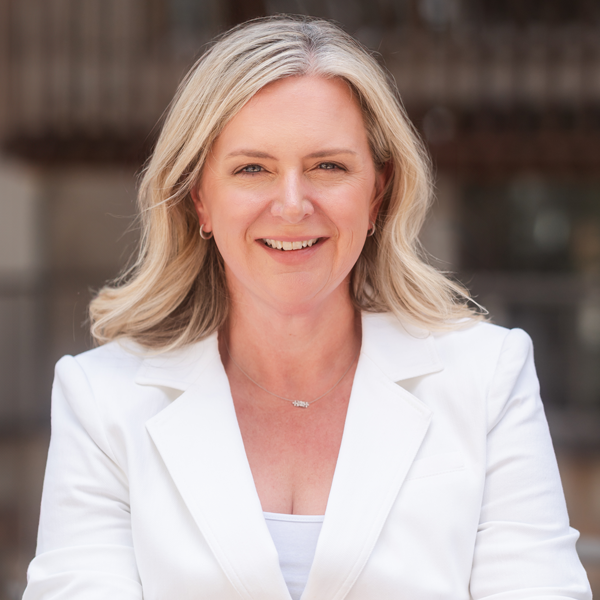
Founder & Podcast Producer at The Axis
Eva Sheie is a startup veteran, content strategist, podcast producer, and professional musician. She is the founder of The Axis, a podcast production agency devoted to meeting the needs of women confronting life-changing medical decisions.
Previously as the Director of Practice Development at RealSelf, she built and scaled the RealSelf University customer education program, and hosted the RealSelf University Podcast. Today she is the host of Meet the Doctor, co-host of Less of You, and the executive producer of numerous titles on behalf of clients, including Practiceland.
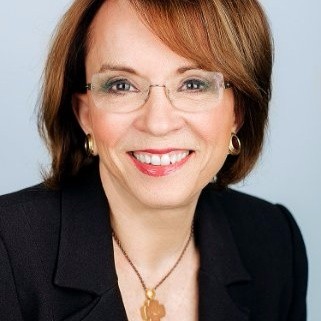
Marie has spent her entire professional life helping good doctors take better care of their patients and helping patients find the good doctors.
When Marie’s husband, R. Merrel Olesen, MD, founded LJCSC in 1988, there was little understanding of the needs of cosmetic patients. To make sure their patients were happy, Marie began surveying LJCSC patients and has done so continuously for 31 years. A self-admitted data junkie, she loves exploring patient feedback for insights that can help LJCSC and other practices better serve their patients.
She is known as an innovator in cosmetic patient care and communication. She is an author, speaks nationally and internationally, and serves on the Board of the Center for Services Leadership at Arizona State University.