Read the Room in 60 Seconds: The DISC Hack for Talking to Any Patient


 RSS Feed
 Some people walk in ready to sign before you open your mouth. Others need three weeks, a printout, and a notebook full of questions. Same practice, same price, same words out of you — completely different result.
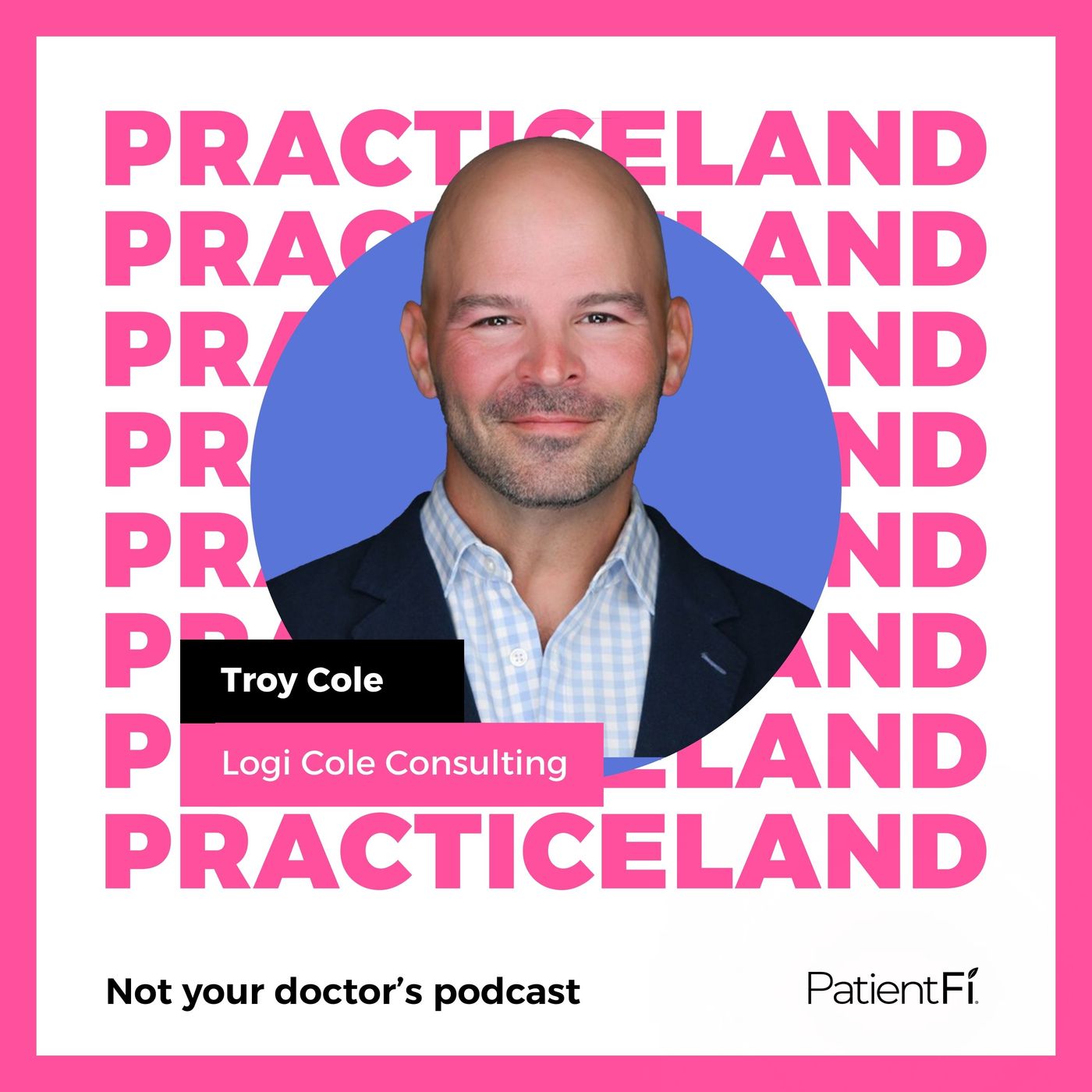
Troy Cole runs LogiCole Consulting and has spent about 20 years coaching refractive and cataract surgery teams to convert more patients and command premium prices. He teaches Andrea DISC, a four-quadrant personality framework simple enough to use live on a phone call, then reads Andrea's own DISC profile in under three minutes to prove it works. Two lines (a motor and a compass) are all it takes to place someone.
The part that catches teams off guard: S types are about 35% of the population, and they are exactly the people a same-day-close push drives away. Troy explains why the highest-converting coordinators are often the S types already on staff, how to spot a D, I, S, or C in a text message, and what changed for one “high-D” surgeon when she quit walking into her administrator's office like a tornado.
Questions answered by this episode
- What is DISC personality profiling?
- What do the letters in DISC stand for?
- What are the four DISC personality types?
- How do you identify someone's DISC personality type?
- How do you handle a price objection in a plastic surgery consultation?
- What percentage of the population is each DISC personality type?
- What is the difference between DISC and Myers-Briggs?
- How do you use DISC in sales conversations?
- Can you identify a personality type from a text message or email?
- Why do patients say they need to think about it?
Troy ColeFounder, LogiCole Consulting
Troy Cole runs LogiCole Consulting, where he coaches refractive and cataract surgery teams to sell without sounding salesy. He has spent about 20 years in the ophthalmology space, and his firm has worked with hundreds of elective surgery practices across North America, helping phone teams and patient counselors turn more leads into consults and more consults into procedures. His DISC for Doctors & Teams program trains staff to read communication styles in real time and adapt mid-conversation; his E3 Bootcamp is a 12-week intensive built for phone teams and patient counselors. He is based outside Fort Worth, Texas, and coaches youth baseball, where he says DISC works just as well as it does in a consult room.
Connect with Troy on LinkedInLearn more about LogiCole Consulting
Practiceland is presented by PatientFi — the patient financing partner built for aesthetic practices. PatientFi gives your patients access to flexible payment plans and gives your team the tools to offer financing confidently, without the awkward money conversation.Learn more at patientfi.com/aesthetics
SHE DID WHAT?
Got a wild customer service story or a sticky patient situation to share? If your tale makes it into our "She did what?" segment, we'll send a thank you gift you'll actually love. Promise, no cheap swag here. Send us a message or voicemail at practicelandpodcast.com.
SUBSCRIBE
Are you one of us? Subscribe for new episode notifications and more at practicelandpodcast.com.
HOST
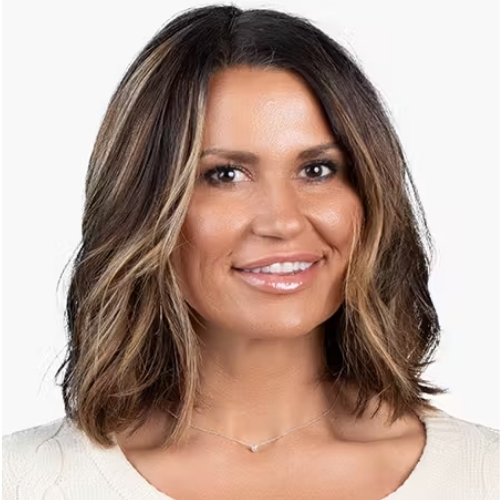
Andrea Watkins, VP of Practice Growth at Studio III Marketing
Andrea Watkins, Vice President of Practice Growth at Studio 3, coaches plastic surgery and aesthetics teams on patient acquisition, lead management, and practice efficiency to drive measurable growth. Formerly COO of a multi-million-dollar practice that nearly tripled revenue under her leadership, she now partners with over 100 practices nationwide—helping them capture and analyze data, streamline consultations and booking, and align staff training with business goals. With a directive yet approachable, non-salesy style, Andrea turns data into action, empowering practices to boost conversions, maximize marketing, and elevate the patient experience in a competitive market.
Learn more about Studio III Marketing and LeadLoop CRM for plastic surgery practices and medical spas.
Host: Andrea Watkins
Producer: Eva Sheie @ The Axis
Assistant Producer: Mary Ellen Clarkson
Engineering: Chris Mann
Theme music: Full Time Job, Mindme
Cover Art: Dan Childs
Practiceland is a production of The Axis: theaxis.io
Troy Cole (00:00):
You're not married to your first read of the person when you first sit down with them.
Andrea Watkins (00:05):
Got it.
Troy Cole (00:06):
If you need to adjust what you're going after or what you're talking about or you're pacing because they start to reveal more of themselves to you, that's the beauty of understanding DISC.
Andrea Watkins (00:22):
Well, hi there. I am Andrea Watkins. And if you're listening to this while juggling three patient calls, checking in a couple patients, taking a payment, selling skincare and trying to catch your doctor in between procedures, you might be working in an aesthetic practice.
Blake Lucas (00:35):
And I'm Blake Lucas and this is PracticeLand. This is not your doctor's podcast.
Andrea Watkins (00:41):
Welcome back to PracticeLand. This is Andrea Watkins where we talk to everybody in aesthetics practices about how to streamline your internal process, how to sell to patients and how to do it, tame the chaos and really just get shit done. So today I'm super stoked. We have Troy Cole with us who runs Logical Consulting out of Fort Worth. Not to be confused with Dallas, Texas.
Troy Cole (01:05):
No.
Andrea Watkins (01:05):
As I have been corrected several times just within the past few weeks. Troy has spent about 20 years in actually the ophthalmology space helping refractive and cataract surgery teams convert more patients and command premium prices. So we're very excited to have you on the show because that is really elective surgery in a lot of cases, just like what we do in aesthetics. And you have an awesome following. You've got all this cool shit that you do, but most importantly, what we're going to talk today about is DISC. So for those of us that don't know DISC, basically it's a personality profiling. And what you do is use this to really help profile for better patient experience. So first of all, why don't you just tell me, what did I miss? I'm sure there's a ton of things that you do that do not involve this that I might've missed in your intro.
Troy Cole (02:02):
You pretty much covered it. I mean, we work with practices to help them convert more patients into surgeries and treatments so that they can make more money, be more profitable, and of course help more people. I mean, that's really what it's all about. And we've got a number of tools in our toolkit that we teach practices to use to reach that end. One of them in my personal favorite is the disc personality profiling framework that we teach.
Andrea Watkins (02:29):
Okay, perfect. So our objective today is we want to give everybody listening here an immediate usable framework for reading patients and adapting their communication style. So from the very first phone call to when a patient walks into the practice, they go back for a consultation, we're delivering quotes, we're trying to schedule surgery, pick dates, get deposits, do all these things. We all need to be accommodating toward the patient that we're talking to. And so Troy has really taken this disc personality profiling and put it into the framework of how each of us can use it in our day-to-day lives. So I'm just going to kind of put you on the spot here, but this is our first time actually ever talking. Troy and I kind of got to know each other through Instagram, which is awesome. Amy Anderson had posted something you had posted and she's a consultant in aesthetics.
Troy Cole (03:21):
Shout out Amy. Shout out Amy.
Andrea Watkins (03:23):
Yeah. Shout out to Amy. Everybody knows Amy. She's incredible. But through that, we just kind of made connections and then your kid plays competitive sports and mine does. And I was like, "You need to come on our show." So here we are. First time ever talking. Pretend I'm a patient. I walk in the door. Yo and I have had communications for what? I don't know, maybe two and a half minutes here. Who am I? What is my personality profile? And how would that change how you would approach me if you were a front desk or a patient care coordinator trying to help patients?
Troy Cole (03:53):
Yeah, absolutely. So here's what I'm noticing.
Andrea Watkins (03:56):
And don't talk shit about me either.
Troy Cole (03:58):
Here's what I'm noticing about you. And we'll unpack all this as we go through the episode today. Here's what I'm seeing. I'm seeing high energy. I'm seeing somebody who is pretty quick with their words and they're speaking. I have some tonality in your voice. You're pretty dynamic. See some hand motions going on. He a little bit of casual profanity and super stoked and this is cool and I'm excited. So you're pretty free with your words. You're very comfortable. I can tell that you're having a good time and you're probably somebody who wants to have a good time regardless of what you're doing. Whether you're on the patio having margaritas or you're doing business, it needs to feel good to you to be getting somewhere. And so all of those things show me just in these first few minutes of interaction that you are a high I individual.
(04:52):
I, D-I-S-C, you're a high I. Inspiring, interesting, impressionable, impressive. And what that tells me is that when I'm talking to you, if I'm counseling you, if I'm trying to move you through the patient journey, it needs to be fun. It needs to be energetic. I need to tie in everything that we're doing with your activities because you probably, I'm guessing you're like this with your friends, probably have a lot of different folks and friends and business that you connect with. You mentioned travel sports, so you're getting around, you're doing adventures with your family. I need to tie all those things together for you so that you can feel like, man, this decision, once I make it, is going to improve all of those relationships, is going to improve my fun. I'm going to be more confident. I'm going to enjoy it more. And maybe my friends will even be a little bit jealous of me once I get all this done. And all of that to you sounds really, really good.
Andrea Watkins (05:48):
Got it.
Troy Cole (05:49):
So tell me how I did.
Andrea Watkins (05:51):
No, you hit the nail on the head. Absolutely. Yeah.
Troy Cole (05:56):
Awesome.
Andrea Watkins (05:56):
So love it. Great.
Troy Cole (05:57):
So let's learn how to do that.
Andrea Watkins (05:58):
Thank you for the assessment and thanks for not talking crap. Just kidding. So see how he did that. So what you're going to do today, Troy, is you're going to show us what that even means and then how you would actually implement that when you're talking to me based on those different profiles. So let's start at base foundation level. DISK, D-I-S-K, what does that stand for?
Troy Cole (06:22):
Well, D-I-S-C.
Andrea Watkins (06:23):
D-I-S-C. Excuse me.
Troy Cole (06:25):
No, you're good. We're all learning together.
Andrea Watkins (06:27):
Perfect. Thank you.
Troy Cole (06:28):
I'm here to bring the knowledge. Thank you. So DISC, some of you may have heard of it, some of you may have not. It's a personality profiling framework for understanding how people communicate, how they make decisions, how they prioritize information. And there's a couple of reasons that we really like DISC. You may have heard of Myers-Briggs, that's another popular personality framework or Enneagram. A lot of people have heard of these and they're great.
Andrea Watkins (06:56):
Like the IFNSJSPS or whatever.
Troy Cole (06:58):
Yeah. All the letters, right? All the different things. Two reasons that we love DISC and we use this for our coaching. Number one, if you think about Myers-Briggs, you've got 16 different types and combinations of letters and Enneagram. I've got a friend who's really into Enneagram and she's like, "You're a this adjacent that. " So it's pretty complex. DISC is super simple. It's reason number one that we like it. It's just four different quadrants or categories, if you will, D, I, S, and C. That's the first reason that we like it. It's really easy to learn and to grasp. Reason number two, those other personality assessments are great for learning about yourself. DISC is also great for learning about yourself and how you tick and how you communicate, but we take it a step further because once you learn it, you can actually use it just like I did to make a few key observations about someone, understand what their primary personality trait is, and then speak to that.
(07:59):
So it allows you to communicate with other folks, even if they haven't taken some kind of an assessment once you understand what you're looking for.
Andrea Watkins (08:07):
Awesome. Okay. So with this DISC, you're saying it's a little bit more easy to kind of utilize than some of those other personality tests. Tell me, you say that you can identify the communication style in a short amount of time. So what exactly are you listening for?
Troy Cole (08:23):
Yeah, absolutely. So rather than coming out the gate and saying, "I want to identify you as a D or as an S," we're actually going to ask a couple of different questions and divide up... Can I draw a picture? Can I use my little pad here? Yeah, do it. Can we do this?
Andrea Watkins (08:37):
Absolutely.
Troy Cole (08:38):
So think of a circle.
Andrea Watkins (08:39):
It's like arts and crafts. This is great.
Troy Cole (08:41):
Here's our star.That's right. This is great. Arts and crafts with Troy. Okay. So here's our circle. We're going to divide this into four different quadrants. And we're going to do that by drawing a line across the middle first. And this is our motor. This is our motor. This is the first thing I'm looking for. What is the pace with which you move through the world? People either have an outgoing motor or they have a reserved motor. All right. Something very, very important to remember about disc before we keep moving here is that we are all a combination of all four personality types. You're not all D or all C, you're a combination of all four. And everyone has one or two that you're a little bit more dominant in or primary in. And that's what we're going to try to identify.
(09:32):
First way we do that is through motor. Motor's really, really easy to observe. Is somebody more outgoing? Are they a little bit more reserved? Are they speaking fast? Are they loud? Do they have a lot of intonation? Are they moving their hands a lot? Or are they a little bit more reserved? Are they more economical with their words? Are they speaking more thoughtfully, more slowly, more even keel? And so you can talk to someone or even hear them, you hear them on the phone, even if they're not in front of you and know pretty quickly, hey, is this person maybe a little more or a lot more outgoing or a little more or a lot more reserved? So you're just learning DISC. What am I?
Andrea Watkins (10:15):
You're above board. Same as me.
Troy Cole (10:17):
I'm outgoing. I am up here at the top. So very, very easy. Look at you, you're already disking it up. This is fantastic.
Andrea Watkins (10:24):
What's up?
Troy Cole (10:25):
So that is our motor. We're going to observe the motor first. Then we're going to draw another line down the middle. This is our compass, our compass. And we're going to divide our compass into two categories, task oriented or people oriented. Our motor is the pace with which we move through the world. Our compass is the perspective we have on the world. Am I trying to get a thing done or am I trying to build a relationship or do activities with others? This is a little more difficult to identify. But if we talk to a patient about what their priorities are, what they're looking for, like on the ophthalmology side, I'm going to bring in a lot of examples from ophthalmology. That's where I do a lot of my business. And I think a lot of those will translate over into what happens on the -
Andrea Watkins (11:13):
And I can kind of give the same end of the spectrum, but for plastics and aesthetics can provide that and play off what you're saying as well.
Troy Cole (11:22):
Yeah, I love that. I love that. So if somebody comes in for a consultation for a vision correction procedure and they start telling me, "Yeah, my contact lenses are drying out in my eyes as I kind of get around lunchtime. It's really affecting my work on the computer. I'm on the computer all day. I'm not being as efficient as I can be. I'm really tired of this. I want to be more effective in my job role." They are talking in terms of tasks, a thing to get done. I know they're a task oriented individual. If somebody comes in and says, "Yeah, I've got my annual girls trip coming up and I'm just so sick of packing the contact lenses and all this stuff with me every time. And I know that they want to go snorkeling when we go to the beach and I think I'm just ready to get this thing done.
(12:07):
I'm just too busy and active to be doing this all the time." Well, they're telling me about activities, relationships, time that they're spending with others. They're going to be more on the relationship side.
Andrea Watkins (12:21):
And in plastics, I love that. In plastics, I'm just thinking of examples. For example, we might have a patient come in that says, "My eyelids are just, they're so heavy and it makes it my eyes are tired by the end of the day. Or my breasts are sagging and I can't find any clothes that fit. And it's cumbersome to run and I have to wear two sports bras and go up." That's task oriented. But if they're talking about, "Yeah, I want to look great when I'm going out with my friends and I want to go to the beach and I want to do this with my family and I want to look sexy in front of my husband," those are the relationship type, right?
Troy Cole (12:56):
Yes. 100%.
Andrea Watkins (12:58):
Yes.
Troy Cole (12:58):
And so then once you've drawn those two lines on your graph, you have divided it into four different categories. I tried to draw this backwards. So here we go. So now we've got D, our outgoing task-oriented individuals. We have I, our outgoing people oriented, which is you and me by the way.
Andrea Watkins (13:20):
Okay.
Troy Cole (13:21):
I had to draw this backwards. I did it wrong. And then we have... No, I did it. Hang on. I'm sorry guys. My camera's reversed.
Andrea Watkins (13:31):
It's the mirror effect on the camera. It's fine.
Troy Cole (13:34):
S, and then C. Here we check this out.
Andrea Watkins (13:39):
Got it.
Troy Cole (13:39):
There we go. S, which is our people - oriented reserve motor. And then C, which is our task-oriented reserve motor. And each one of those has different priorities, different ways that they present, different things that they are looking for when they come to you and say, "Can this practice fix my problem? I will give them 15, 20, 30, $50,000 if they can do it. " And the way that they decide if you can or not is very, very different depending on what their primary personality trait is.
Andrea Watkins (14:11):
I freaking love this. This is so great.
Troy Cole (14:13):
You digging it?
Andrea Watkins (14:14):
I'm totally digging it.
Troy Cole (14:15):
Yes. We're just scratching the surface, man. This is so good.
Andrea Watkins (14:17):
This is so good. All right. So we have the four, we have the high energy, low energy. So just out of curiosity, do you find certain types of people that do certain things for work? I look at that and I see a C would be of what I would think a typical accountant would be, which is low energy and in that box of we're doing numbers, we're crunching stuff, and we're just trying to figure out what's the best way to do this with our money, et cetera, et cetera. But then your salesperson is going to be more of your high energy person that's going to be on the top of that line in either a D or an I type person.
Troy Cole (14:55):
Yes. Yeah, 100%. So let's walk through the four different styles. All right. So we'll start with D, our outgoing task-oriented individuals. These are direct, dominant, driven people. These are your CEOs and your executive types. So you think of somebody who's going a hundred miles an hour. They're not super worried about feelings. They're just trying to get stuff done. Everything needed to be done yesterday. That's our D types. And they make up 10% of the population, which is great because we don't want a gazillion D types running around. It would drive us all crazy. Some examples of D types, because I want to help paint this picture so you can say like, "Oh yeah, I see that. " Michael Jordan, if you've ever watched the Last Dance documentary about the Chicago Bulls, you see that Michael Jordan, he wasn't trying to be friends with his teammates.
(15:46):
He really didn't care about how people felt. He was focused on the goal of going out and winning championships. And you get on board and support me or you get off this team and we'll get somebody else in here who can. And you can say that's great or that's awful or it's whatever, but that guy had a goal and he went out and he won six rings pursuing that goal as a high D individual. Yeah.
Andrea Watkins (16:08):
And in a practice, for example, the D, so relating this back to what we're dealing with on a day-to-day basis, the D in a practice, whether it's ophthalmology, plastic surgery, med spa, et cetera, what do you find would typically fit into that D type?
Troy Cole (16:25):
You typically see a surgeon with a good amount of D inside of them. They're driven, they've got a goal. I mean, think about what they came through to get where they are.
Andrea Watkins (16:34):
You got to be determined for that without a doubt.
Troy Cole (16:36):
College, med school, residency, fellowship.You've got to be focused, you've got to be driven toward a goal.
Andrea Watkins (16:43):
Being an entrepreneur.
Troy Cole (16:45):
You know what I'm saying? Yeah. And then to go and open a business and assume all of that risk. So there's typically a lot of D within a doctor. And I really want to explore this because what you have in a practice oftentimes is a high D surgeon type of a figure. And then a lot of the support staff fall into the S type category, which leads to a lot of this that's completely unnecessary. And I know you've got some questions about that. We'll dive into it. But yeah, a lot of times you got a lot of D in the surgeon and just knowing that, just knowing that's going to be beneficial to everybody.
Andrea Watkins (17:19):
And that's kind of the point that I wanted to make is for those of us that are listening, again, we're working in a practice. What can we take away from this? Not just to communicate with patients on a daily basis, but also just know that typically people that are running businesses and have been through med school, fellowship, all the things that you just, all of the things, they're going to be a D. So they're going to have to, in most cases, have high energy to get through that, but also they're more on the task side. So if we're more on the people feelings fluffy side and our Ds are more on the task side, we just have to keep that in mind as we're communicating and also as they're communicating with us. Because if you're task oriented and maybe you are high energy and you're task oriented and you're like, Come on guys, this is what we got to do and this is when it needs to be done by it, and they're not all touchy-feely and warm and cozy. It doesn't mean that they don't love you and appreciate you, but it's just their type of communication based on where they fall in this DISC.
Troy Cole (18:12):
That's right. There are three levels of awareness that we coach in DISC and we want you to evolve through all three of these and master them. Number one is knowing yourself. What are you? What is your personality type? What are your tendencies? What are your priorities? Number two is the ability to identify in someone else. So learning the questions to ask and the things to observe so I can say, "All right, I'm a high I. I see this about you and so I know that there's a lot of C in you, you're a high C." And then number three is being able to meet that person where they are. Now for our patients,
Andrea Watkins (18:47):
I think that's the part that always gets lost in the shuffle is you can identify and identify, but then you have to know how to bring it together and meet people where they are.
Troy Cole (18:58):
That's right. Yep.
Andrea Watkins (19:00):
So walk us through with these four types, what's the one thing that each type needs to feel understood? An actual sentence like C needs you to do this to feel understood. I need you to do this to feel understood, et cetera.
Troy Cole (19:15):
Yeah. So for a D, they like challenges, they like choices and control and they don't want a bunch of fluff. I've had an opening at Tuesday at 3:00 P. Would you like me to go ahead and reserve that for you? Boom, that's it straight up. Hey, here's what the doctor's recommending for you. Which direction do you want to go?
Andrea Watkins (19:32):
Got it.
Troy Cole (19:32):
They want you to be very straightforward. For our I types, they want it to be fun. They want it to be enjoyable. They want to know this is a great decision and you're excited for me. You're going to love this. Let me tell you about what other patients tell me about this procedure. Oh my gosh, I'm so excited you're a candidate for it.
Andrea Watkins (19:49):
It's so funny you say that because that's one of the things me as an I type that I always try to say to other people, not keeping in mind necessarily what their style is, just knowing that that's something I would want to hear, which is like, I'm super excited for you. You're going to love the result that you can get and we're going to help you blah, blah, blah, blah, blah, blah.
Troy Cole (20:05):
And that's great. And with certain people that resonates 100%. And that's not necessarily awful for other personality types. But if you go say that to a D, it's like, yeah, cool. I'm not worried about other people. What about me? No, I don't need to hear your story.
Andrea Watkins (20:19):
What's going to work for me? Tell me about myself.
Troy Cole (20:21):
10 minutes ago. Let's go. Where do I pay?
Andrea Watkins (20:23):
Love it.
Troy Cole (20:24):
And so for our S types, supportive. They're all about supportive, steady status quo. They're nice and even keel and they tend to move slower. And so with them, it's not getting them hyped up and excited and, oh my gosh, it's going to be great. It's, hey, I want to make sure you feel completely comfortable with everything we've gone over here today. What questions do you have? Let's walk back over the doctor's recommendation and make sure that we're totally aligned with what that looks like. We have to slow that down.
(20:53):
The S type is the example I like to use is a turtle. If I had a turtle on my desk right now and I had a pile of carrots down here and I came at them like Troy would, I'm a high I, what would I do? I'd say, come on buddy, let's get down there. These carrots look so good. Oh my gosh, it's going to be so great when we get down there and scarf all these down. Tapping them on the shell, right?
Andrea Watkins (21:13):
Yeah.
Troy Cole (21:14):
What's the turtle going to do?
Andrea Watkins (21:16):
Bro.
Troy Cole (21:16):
He's going to do this. What is going on? But if I take it nice and slow, make sure they're comfortable, is it going to take us longer to get down to the carrots? 100%. Are we going to get there? Are they going to be happy and appreciative that I stood with them as we got down there? Totally. So those are some of the adjustments that we need to make. And then with a C, reserved task-oriented individuals that like all the details, tell me if you get this, because we get it in ophthalmology all the time. Somebody will come in with a page printed out from the website and stuff highlighted asking, okay, tell me more about this. And you're like, I didn't even know that was on our website.
Andrea Watkins (21:56):
And they bring in their notebook.
Troy Cole (21:58):
Yes, they get their notebook.
Andrea Watkins (21:59):
And they open it up and they go through every down their thing and then they want to write the answers to each question that they ask as they're in there that you already talked to them about on the phone also.
Troy Cole (22:09):
Yes, 100%. So they're all about the research, all about the details. They love process, procedures, data, risk assessment. And so getting very, very detailed with a C is where we need to go to show them we're competent, we've got this down and you're in great hands. But if you try to do that with me or you, it's like, yeah, get to the fun stuff. Why are we talking about boring things? Right?
Andrea Watkins (22:35):
Details smooshpails. Come on, let's go. And how great everything's going to be once we actually get through this and the procedure and the life that we're going to live when we're done.
Troy Cole (22:44):
Exactly.
Andrea Watkins (22:45):
I love that. All right, this is cool. So C, would you think just a one word? S is support. So D is direct. I, what's just a one word thing?
Troy Cole (22:57):
I is inspiring.
Andrea Watkins (22:58):
Inspiring.
Troy Cole (23:00):
Supportive.
Andrea Watkins (23:01):
Supportive.
Troy Cole (23:02):
Yeah.
Andrea Watkins (23:02):
C is conscientious?
Troy Cole (23:05):
Cautious or conscientious. Yeah.
Andrea Watkins (23:06):
Cautious. Okay. Both of those work. Okay. So we've got DISC down pat. So let's do a little game. Okay. Give us the same price objection handling in four different ways, one for each style. So if somebody's like, how much is it? Oh, that's a lot. We hear this all... Oh my God. Why are you guys so much more expensive from the schmuck down the road? Or whatever the case may be. For a D, an I, an S and a C, how would you respond to similar type of a price objection?
Troy Cole (23:42):
So for a D, we want to cut to the chase and we want to exude confidence. Hey, this is one of the best investments you can make. Here's what you get. Here's the price. Here's the outcome you can expect. The D wants to know about the results. Got it. Hey, this is the most advanced technology on the market right now and our surgeon's done X thousand of these. They want to know they're in good hands. I'm getting the best of the best and I've got someone experienced doing it.
Andrea Watkins (24:04):
Perfect.
Troy Cole (24:04):
When do you want to go ahead and lock in your date?
Andrea Watkins (24:06):
Got it.
Troy Cole (24:07):
Cutting right to the chase. And the mistake we make with Ds oftentimes is they're taking up so much space and they're coming at you and we feel like, oh, I need to do this. But that's not how they do business.
Andrea Watkins (24:21):
Meet the energy.
Troy Cole (24:21):
They need to know I can do business with you. If they're here, you go right here.
Andrea Watkins (24:25):
Yeah.
Troy Cole (24:25):
The thing to remember with a D is they're not in your office if they haven't already decided that you're the place to go.
Andrea Watkins (24:31):
Yeah. Good point.
Troy Cole (24:32):
They wouldn't be there. They're not wasting their time. They've looked around, they've asked, they figured it out. I'm here because I'm ready to do something. Are you confident enough to take my money, take my business and take care of me?
Andrea Watkins (24:43):
Love it.
Troy Cole (24:44):
Just knowing that going in means Ds can be your shortest consults. We don't need 20 minutes with them. Here's the plan, here's where you sign, here's where you pay. We'll see you on Tuesday for your procedure. Done. That's what they want for our eyes. I objection. Money objection from an I. Hey, you know what? A lot of people say that before they do it. They call us back and then they can't believe that they waited so long to make it happen. Let me tell you a story of a patient that I saw last week who was in your exact same situation and why they're so excited that they made that investment.
Andrea Watkins (25:16):
Got it.
Troy Cole (25:16):
And then going back to, hey, you're going to look in the mirror, you're going to feel incredible. And your friends are going to be pretty impressed as well. Can you just imagine that? Right?
Andrea Watkins (25:27):
Love it.
Troy Cole (25:28):
For our S types, price objection. An S going to object to price oftentimes because they feel like it's a lot of money for them to invest in themselves. S types are supportive. They're in the background. They care about other people. These are healthcare workers, nurses, caretakers. And so helping an S to understand the idea that, hey, if we're in an airplane and the oxygen masks fall down -
Andrea Watkins (25:53):
I was just going to say, put your own mask on first.
Troy Cole (25:55):
You got to take care of you before you can take care of everybody else.
Andrea Watkins (25:59):
Yep. And I think in plastic surgery too, we run into so many S's and they all feel so guilty. We're talking typically about middle-aged women who are moms. We've got small children, families that depend on us. We literally spend our day supporting everyone. And then to think of the guilt that comes along with saying yes to a plastic surgery procedure or yes to something that's elective and not required medically to put the budget, to put the time in for recovery and all of those things, it's super burdensome for them.
Troy Cole (26:36):
Well, an S types are the largest percentage of the population.
Andrea Watkins (26:39):
Oh, really?
Troy Cole (26:39):
About a third of people are an S type anyway.
Andrea Watkins (26:42):
How many percent?
Troy Cole (26:43):
35%.
Andrea Watkins (26:44):
Wow. Okay.
Troy Cole (26:45):
Yeah. So the thing to remember there, and this may sound interesting coming from a sales coach, we're not necessarily trying to convert an S to surgery or treatment today. Everyone's like, oh, book them today, book them today. That's great, but that's not... Remember the turtle analogy. I'm not trying to push you to get you to do this today. I want an S type to feel empowered, to feel like they've had the space to wrap their head around this and to give them the resources and the support. They like support to be confident in this decision and understand ultimately this is going to benefit the folks around you when you decide to do this for yourself.
Andrea Watkins (27:24):
I love that. And that's something I teach with not in this exact disc lens, but with my clients as well, which is not everybody's going to be a same day buyer, quote unquote, right? That's right. And if you don't give them the space, it diminishes the trust rapport and safety that you've been building throughout the phone call, throughout the consultation the whole time. So if you try and say, well, it's either same day or nothing or the price is going up or something like that, it diminishes all of the trust and safety that you've been building. And if you refuse to acknowledge that each patient is going to have a different buyer behavior, then you're putting people in positions to make decisions that they're not comfortable with and ultimately they're not going to feel as great about the experience and outcome because you have pressured them.
(28:08):
And I love your turtle analogy for this group of patients and because it is the largest group of patients we se in plastics, because when you presure somebody or put some stipulation on same day or else, it's icky and it's gross and it makes them retract back into their shell and without their legs out, they're not going to walk down to actually take action.
Troy Cole (28:29):
Well, I love how you commented on tainting the experience and them just kind of feeling icky about it. Because yeah, it takes a while for the turtle to get to the end of the table. It does take a while to run a marathon longer than a sprint. But once you get the S across the finish line and they feel good about it and they like the results, they're your patient forever.
Andrea Watkins (28:52):
Biggest fan also will tell all of their friends, we'll leave you reviews. They were so great with me and I felt so empowered and supported and they tell everybody.
Troy Cole (29:05):
That's right.
Andrea Watkins (29:06):
Because you've had taken the time.
Troy Cole (29:08):
Well, and the referral of an esque carries a lot of power. As an I, I'm like, oh, you got to try this restaurant. You got to see this movie. It's awesome. It's awesome. And sometimes it's like, okay, that wasn't that awesome.
Andrea Watkins (29:18):
Whatever Troy, you're just making shit up.
Troy Cole (29:20):
Exactly.
Andrea Watkins (29:21):
You're excited about everything.
Troy Cole (29:23):
In our lives that we know when they say do something or try this or I trust them, you should too, you carry that with a lot of weigh. You're like, man, I know if Shelly is telling me this, they're basically pre-vetted. Because they're referring, but they're sending really good referrals who already trust you based on that transfer of trust from their S type friend.
Andrea Watkins (29:44):
Right. And the referral coming from an S or really most referrals, those are better leads than any other one you're going to get because someone that they know and love and trust already loves you. So getting their buy-in to how great you are and how great their experience was, even if it takes a little bit longer, to your point, you need to identify with this one, their behavior's going to take a little bit longer and we're going to be here to hold their hand and walk them through this process.
Troy Cole (30:09):
Yeah. So when it comes to an S, one more thing and then we'll move on to C. With our S type patients, when they say, "I need to think about it, " which is usually a smokescreen objection, but when you've identified someone as an S and they say, "I just need to think about this, " what they are telling you is I need time to process this. I literally need to spend some time wrapping my head around everything that's happened and that's totally fine, totally fine. So don't take that as like, "Oh, this is bad, this is pushback, they're not interested." They are, they just need to process it a little bit longer. For our C types, when they object to price, we need to make sure that they understand that our process and our procedure are such that the results that they are going to get, we can't guarantee anything, but everything that we have put together, we dot every I, cross every T and make sure that everything that we are doing is designed to get them that result.
(31:05):
I want to make sure everything you need, Ms. Patient, to make an informed decision and get the most value for your investment that we've conveyed that to you. And then we're going to break down those details. Hey, here's what's included in the investment, the procedure, the follow-up care, all those different pieces. And I'm probably going to give them some data, some data points, patient satisfaction data, data on risk assessment, all those different pieces, maybe even a study that was done. They love this stuff, right? I'm going to give them a little bit of homework to go home and go through all of these things, do your own research, and they're going to come to the conclusion that yes, indeed, this is the procedure and this is the place to do it.
Andrea Watkins (31:44):
Okay. What does it look like when a team, they just don't know about this, they haven't learned this? What are the on repeat mistakes that are happening with teams when they don't understand this about their potential patients?
Troy Cole (31:59):
So the most common issue is that we're running one script. We've got one script, one play that we run regardless of the patient, regardless of the personality type that works fine on some people. It bombs for other people. And it's like, well, why? Why? This person was super stoked about it and this other person looked at me like I was speaking a different language. What is that? And so once we understand DISC, we're able to go through and not only customize or make it feel customized to the patient, but ultimately it makes us more efficient as well because we're not going over everything with everybody. I'm figuring out what your priorities are and I'm leaning into those specific components.
Andrea Watkins (32:38):
I love that. And part of the script, or I like to call it a call dialogue because I hate scripts and I hate the connotation that comes along with scripts. But when I'm training PCCs and it's like, let's start the call and ask a bunch of these questions so that we can learn about the patient, for me, similarly to what we're doing as far as identifying the disc profile is I'm figuring out in the first four to six minutes that I'm talking to a patient, I have this huge, and I say this all the time, so I have this wall back here. Just imagine that there's three shelves and there's a ton of tools on these shelves. So within that first four to six minutes where I'm asking all of these questions about a patient, I am determining in my mind, what are the tools that I need to take off the shelf to be able to apply to this patient?
(33:26):
Because you don't have to throw every single thing at every single person. So when we don't know how to do this, we're just doing the same thing on repeat all day, every day. And to be completely honest, for anybody listening, the thing I think I hear the most, which is like I'm just on the phone all day and it gets exhausting. I just feel like I'm saying some of the same things on repeat. I'm like, well, that's your first identifier that says we're not doing it right because it should be a different conversation with every patient.
(33:53):
But if we're not doing this, then we're just on repeat, which is not what we want to do and not how we're going to actually get the best results with our patients every time. So we're talking about verbally, we're having conversations with people identifying these things. Can you use disc in written communication, like texts and emails and things like that? Is there a way to identify personality style? Because a lot of people, they use the apps and the text messaging and I just want a price and when can I come in for an appointment? Are there any triggers that we should be identifying as patients are writing into us of how we would maybe figure this out with them?
Troy Cole (34:30):
Yeah, definitely. It's similar to what you would observe if somebody was speaking to you. If someone's using short one, two, three word answers with no punctuation at all, probably a D type. Someone's throwing in an exclamation mark after everything they say. Yeah, that sounds great. I'd love to come in. It's like probably an I. If someone seems pretty even keel, probably an S. If someone's getting very detailed, then they're probably a C. Let me give you an example on the phone. Somebody, you answer the phone, thank you for calling ABC Plastic Surgery. This is Troy. May I have your name please? Yeah. Hi, my name is James Sermons. J-A-M-E-S S-E-R-M-O-N-S. What's their personality style?
Andrea Watkins (35:11):
C.
Troy Cole (35:12):
C, right? Like that.
Andrea Watkins (35:15):
Freaking love this. This is freaking awesome.
Troy Cole (35:16):
Well, hey, what's going on, Troy? This is James. How you doing today?
Andrea Watkins (35:18):
What's up?
Troy Cole (35:20):
Right. And so yeah, 100%. You can know very quickly whether it's on the phone in written communication, you can identify that and then match it. Just match it. And the beauty of the texting is you don't necessarily have to think on your toes. You can see it. You can think about, okay, this person, based on what they're saying, high, D. All right, I don't need to send my templated paragraph long, Hey, thanks for reaching out message. I just need to shorten that thing up and get to the point. We actually built a tool for our coaching clients that allows you to go in and say, hey, I need to do a follow-up text to a high S patient about their consultation. Can you give me a script? And then it'll spit it out in the actual language and verbiage and punctuation that that person would resonate with. So it's been a pretty cool tool that our clients really like.
Andrea Watkins (36:10):
That's incredible. Is it within a platform or is it just like you'd copy and paste or you tell the AI what to do and the type of person it is? Or how does that work?
Troy Cole (36:18):
Yeah. So it's an AI trained on all of our DISC stuff and then formulated to create those kind of messages. And so yeah, you chat into it like you would with a ChatGPT. It lives inside our coaching platform, but you just chat with it and you say, "Hey, here's what I'm doing," or, "Here's what I need to respond to. This person sent me this, I need to respond." And it'll tell you what kind of language to use to speak to their DISC.
Andrea Watkins (36:41):
Based on... Wow. How long has that been available? That's incredible.
Troy Cole (36:47):
Yeah, so we rolled that out I think two months ago after we tested it for a while. Yeah, and our clients who are using it really, really like it. I mean, I'll use it with clients, like my clients. I'm like, "I need to respond to this. I think I got it. Check it out. " And it'll give me good tips too. So I'm like, "This is a great tool."
Andrea Watkins (37:03):
That's incredible. All based on DISC profile of the person that you're sending it to.
Troy Cole (37:09):
Yep.
Andrea Watkins (37:10):
Freaking A, everybody. Troy Cole, round of applause. Let's go. I love it. So I would love for everyone listening, just think about, are they upper, lower quadrant, to the left or to the right, D-I-S-C? And then just start trying to modify the way that you're responding and really leading the patients through the phone call. Because again, a thing that in these roles, and I assume that it's very similar in ophthalmology, is as a patient care coordinator, when you're the person that is the advocate and the shepherd for the patient through this process, you're a leader. Whether you have a leadership role and it says patient manager, it might say coordinator, it might say advisor, it might say all of these different things next to your title.
(37:55):
But at the end of the day, you are a leader. And so you need to modify your leadership style based upon everything that you can gather and assess from your interactions with these patients. Let's move on now to how we can use this to help benefit relationships internally because team dynamics can make or break a practice. There are some real shit shows out there. And then there are so many practices that are incredible and they have strong leaders and they have strong teams who really care about what they do.
(38:26):
They care about their patients and they care about supporting their colleagues as well because no one person is answering the phone and seeing patients and post-op and doing everything else in between. When we can identify DISC and we did this actually, we used DISC when I was in the practice and we had our leadership team of about 10.
(38:45):
Everybody, we all took it. And then I think earlier I said it's great to identify yourself and the people around you, but then you need to bridge the gap of now how does this help us actually work better together as a team? So tell me from your experience, how can it change things inside of a practice?
Troy Cole (39:04):
Well, it could be a night and day difference. I was talking to a surgeon a couple of weeks ago who said, first she said, "I've done disc before, but never like you guys teach it. And this has been a game changer." I'm like, "Well, that's awesome. My ego loves that. My high I. " I'm like, "This is great. Tell me more."
Andrea Watkins (39:23):
Don't stop, please.
Troy Cole (39:24):
And I said, "So give me an example of what you mean." And she's a very high D surgeon like many of them are. And she said, "For the longest time, my administrator and I, who's a great person, and we love her in the practice and she's very valuable to us, but we had this miscommunication." And I would come in and I'd say, "Hey, look, we got to do this, this, this, and this. " And then stuff just wouldn't get done. And I never understood it until you taught me that, oh, she is a high S individual. I'm high D, she's high S. When I come through a tornado, that to her is just very disruptive. It's hard to focus. It's hard to figure all the things out. And that creates a lot of problems. It creates a lot of inefficiencies. And so she said, once I realized that and I started going into her and saying, "Hey, I've got a few things I want to go over.
(40:17):
Is now a good time?" And she would say, "Yes, it's a good time." Or, "I'm in the middle of this HR thing. Can we talk this afternoon? Sure." Once I started doing that, magically, all my projects started getting done. The clinic's running more efficiently. She seems happier and more confident and she's doing a better job and our relationship's never been better. And I tell that story -
Andrea Watkins (40:44):
You're doing God's work, bro. That's amazing.
Troy Cole (40:47):
It's so good. But I tell that story not only as an illustration of just what a night and day difference it can make, but also for those of you out there who may be high-V individuals or even anywhere in the disc circle and you say, "God, just seems like it'd be hard. I don't want to spend the extra two minutes to think about how I need to talk to someone." Well, if you asked this surgeon, she'd say, "Those two minutes before I have that meeting turn into hours a week that I've saved hundreds of thousands of dollars a month in added cases, added efficiency, better performance across the team because now I have a better leader." And so is that two minutes worth seven figures at the end of the year and everyone being happier in retention of everybody? Of course it is. And so if you're hearing this and you're like, "Man, this sounds cool.
(41:43):
It also sounds like a lot. I don't know if we want to do it. " I'm telling you it's one of the most advantageous profit oriented activities that you can do is to understand your personality profile and those around you and start communicating with them on their level.
Andrea Watkins (41:59):
I love it. And having gone through it, I am a huge advocate. I would've never been able to put it into the words that you do. You're obviously a pro at making it make sense in a really easy way. And for our listeners as well, to your point, we're all so busy doing so many things and it's like on a hamster wheel over and over and over again some days. And our goal with this podcast is to just give people the tools and the insight to tame some of that chaos and to have a more enjoyable day. At the end of the day, that's what my goal is for everybody I work with is there are systems and process and things that we can do that's going to make your day better. It's going to suck at first. Change is hard. No one just goes into anything saying, yay, change, do something new.
(42:46):
It's always going to be some sort of a pushback and different people are going to push back in different ways. But once it becomes the new norm and there's less chaos and we get things done in a much more effective and efficient manner, this is one of those things that to your point, can really, really help with that.
Troy Cole (43:05):
The beauty of DISC is it's like learning a language, but it's way, way easier. And if you've ever learned a language, you hear a word in that language, you think about it, you translate it into English and then you spit it back out or vice versa. You're thinking about everything you're doing and eventually you become fluent and you're no longer doing that translation in your head. You just speak the language. DISC is the same way. And the beauty of disc is it's universal. I use this in my marriage. I use this in my parenting. I use this in the baseball teams that I coach and of course in business as we've discussed here. But a couple of practical ways that you can start to build your disc muscle and observe these things to make it more of a fluent language for you. Number one, any interaction that you have with anyone out in the world, the cashier at the grocery store, the front desk team at your office, be listening for, "Hey, what's their motor?" And then are they talking more in a task oriented fashion or are they more in a people oriented fashion?
(44:05):
And you'll start to observe some different patterns in how people present with their words, their cadence, their hand motions, the things that they talk about that build that pattern recognition. Number two, and this is my favorite, is hopefully we've given you enough today to think about, okay, I kind of get an idea for who a D is, an I is, an S and a C. Think of one person in your life that fits every single one of those. And that's the representation. So if you identify someone as... So for me, if I identify someone as a high C, I'm thinking to myself, I'm talking to my Aunt Rhonda. My Aunt Rhonda is the highest C person that I know. And when I think about that, it makes all this concrete. I've known her forever. I know what she would say. I know what her concerns are going to be.
(44:54):
I know the next question she's going to ask if I don't preempt it with certain pieces of information.
Andrea Watkins (44:58):
This is great advice. Say it again, please.
Troy Cole (45:02):
I want everyone to think of one person that fits the mold of a high D, on person that's a high I, one person a high S, and one person that's a high C that's in your life. It could be a relative, it could be your spouse, it could be a coworker. It could be your college roommate, but somebody that you know, you know what the conversation's like, you know how they respond, you know how they talk, you know what's important to them. And if you had a conversation with them right now, you would jump right in and know exactly what to say. And then when you identify somebody who is high whatever, just fill in the blank with that person that you already know and talk to them.
Andrea Watkins (45:43):
I love this.
Troy Cole (45:44):
Worked really well.
Andrea Watkins (45:47):
One question, do you find, because I'm thinking about myself, not to sound like a selfish jerk, but I'm thinking about myself and people thinking -
Troy Cole (45:55):
Of course you are high I. Go ahead. Tell us about yourself. Let's talk about you some more.
Andrea Watkins (46:00):
Go on please. But I'm thinking in different situations though, I'm definitely very different. In my work life, I am very different than I am in my personal life. I mean, I'm still outgoing and all of the things. However, depending on what the situation is, I'm also very analytical and very detail oriented and also very hard charging and very driven. And sometimes maybe just when I'm mothering more on the supportive side. I don't know. How do you determine who the person is when obviously it's just the interactions that you're planning on having with them in the situation that you would be with, I guess?
Troy Cole (46:45):
Yeah. I love that you're bringing up this topic because I mean, if you're going to a baseball game to watch your son, you're going to feel differently and probably act differently than if you're assisting in surgery. We all do that. Remember what I said earlier in the episode? I said we're all a combination of all four personality types. And we can all amp up certain aspects of it and tone down certain aspects of it depending on if the situation needs us to or just the environment that we happen to be in. Something very important to remember here is that again, we're not boxing people in. We're not restricting people. This is a tool to understand people. And so you may have somebody who comes in the office and you're like, "Yeah, they seem a little bit more reserved." And then the more you get to talking to them, they start to open up because they're getting more comfortable and you're like, "Oh, this person's definitely a high I. " You're not married to your first read of the person when you first sit down with them.
Andrea Watkins (47:47):
Got it.
Troy Cole (47:48):
If you need to adjust what you're going after or what you're talking about or you're pacing because they start to reveal more of themselves to you, that's the beauty of understanding disc because you go like, "Oh, me and this person are tight and she's telling me all kinds of stories now. I know what I can get into with them." Does that happen? Totally. Totally happens. What we teach practices to do is try to get your best guess over the phone. Is this person outgoing or reserved? And then are they talking more about task? Are they talking more about relationships? And mark that down in your CRM or whatever you're using. And then it's almost like you're validating that or crosschecking that. But going into a situation going, "All right, we kind of got this person pinned as a high I, " is better than we're starting from square one, let's see what happens.
Andrea Watkins (48:36):
Let's just throw the whole kitchen sink at them. Instead, you can at least start to modify how you're going to approach the conversation and the consultation. I love it.
Troy Cole (48:44):
That's exactly right.
Andrea Watkins (48:45):
So last question here about the disc styles. Is there one personality profile that you find is the hardest to get to make a decision to schedule a procedure or treatment?
Troy Cole (49:01):
Typically, the hardest one to make a decision is going to be whoever is opposite from you on this circle.
Andrea Watkins (49:09):
Oh, really?
Troy Cole (49:10):
Yeah. So if you're a D, you're probably going to have the most trouble with an S and vice versa. This is also the most likely person you are going to marry. You've heard opposites attract, right?That's a real thing. A lot of people marry somebody who's across the circle from them. So that's the short answer to your question. And so that at least gives you a shortcut to know if I'm a D, it's going to really take a lot from me to understand an S, slow down, realize what they need and vice versa.
(49:45):
So that's the thing to keep in mind. Just knowing that's likely where you're going to have the most trouble is going to give you a strategic advantage. I would say in general, as we just talked about earlier, the S types are the most difficult to convert because we either misread them as somebody who's not interested when they are, or we push them too hard and they get turned off and then they don't want to have anything to do with us. Even though they nod along and they agree, but then they don't book. And it's like, well, what is this? I don't even know what to do with this.
Andrea Watkins (50:14):
When they really just maybe need more of that nurturing support time.
Troy Cole (50:18):
That's right. Let me give you one more bit on this.
Andrea Watkins (50:20):
Yes, please.
Troy Cole (50:22):
What DISC unlocks in your practice? One question that people will often ask when we're talking about this topic, who should I have as a surgery scheduler? Do I need a high, I, just overly energetic kind of a person for my surgery scheduler? That's fine if you have that. But what disc unlocks on your team is any personality type can be a great consult scheduler or surgery scheduler in your practice once they understand this. And in fact, the S type individuals on your team, which makes up a lot of the people in your office just based on the numbers are the ones that are the most inclined to feel like I need to show up and take care of somebody else. So once they get it, that compulsion to take care of a high D patient helps them get out of their box and actually meet them where they are in schedule them. So some of our clients that have the highest conversion rates, they're actually high S type surgery schedulers, which most people are surprised at. But it's because they've learned this framework and now they can actually take it and implement it.
Andrea Watkins (51:32):
Well, and it's about service, it's not about sales. And that's also what I train clients, which is it's about service, not sales. What's up? But truly, and I see myself in all these quadrants. And again, with the experience and being in practices for a decade and all the other things, if we're just focused on sales, you're focused on the wrong thing. Because if you have the service and you truly in your heart, you're like, "I'm trying to help people and I'm trying to figure them out to figure out what tools I need to take out of my bag to help them make the decision that I know they want to make anyway." That's service. And with that service mindset, there is absolutely inevitably no way that you will not increase your sales and generate more revenue and your efficiency and everything else in your practice.
Troy Cole (52:16):
Preach.
Andrea Watkins (52:17):
Preach.
Troy Cole (52:18):
Mic drop.
Andrea Watkins (52:19):
Mic drop. Love it. Any other tidbits that you want to add?
Troy Cole (52:23):
I would encourage folks, listen to this. Share it with your team so that they can listen to it too and start to understand it. And I guess the big takeaway I would say is start to try to identify the patterns. Intify somebody's motor and then start to think about, hey, what is this person's compass? Are they more task oriented or people oriented? That will really start to help you start the pattern recognition piece and start to utilize disc in all of your conversations. The more you use it, the more natural it's going to become to you until it's a second language and you don't even think about it anymore.
Andrea Watkins (52:58):
Love it. Before you go today, we do a cute little segment here. We love cutesy things called She Did What? This could be a awesome story. We couldn't believe that somebody went out of their way. It could be a crazy patient or teammate story. There's been some crazy things said on this show. What can you share with us from being in practices the last 20 years about something you saw firsthand or heard about that happened? She did what?
Troy Cole (53:28):
She did what? This is a he did what?
Andrea Watkins (53:32):
Yes.
Troy Cole (53:33):
In ophthalmology, cataract surgery is often covered by insurance, just like the basic kind. And then there are some upgraded options that you can have. And so one day I was shadowing a consult with a client and it was a gentleman who was in for a cat eval with his wife. And they came into the office, they sat down and the young lady who was doing the scheduling said, "Well, how has your visit been today, sir?" And this guy, just a lovely, cute little curmudgeony looking old man with a makeshift hearing aid in his ear goes, "Well, man, I've been here long enough." And she said, "Okay." And of course the wife says, "Oh, don't say that to her. They're doing everything that they need to do. " And he says, "Well, I've just been here. We feel like we've been here all day long." And you could tell this guy was just ready to go.
(54:24):
Probably wasn't ready to have a sales conversation. And I look up and he's got a hoodie on over a T-shirt, right? It's unzipped and you can see it. And I'm sitting behind the scheduler's desk and I stand up and I say, "Hey, what does that T-shirt say?" And he pulls it back. He pulls his hoodie back and I read it out loud. It says, "If Papa can't fix it, then we're all screwed." And it had a drill and a hammer on it. And so I read it and I laughed. I said, "Are you Papa?" And he laughed too. And she goes, "He is Papa. And he moves a little slower these days, but he loves to fix stuff. And just last week he repaired our bathroom sink in our bathroom and he did such a good job." I said, "Oh really? Tell me about that".
(55:12):
And he said, "Oh man, I had to get up under there and I have one of those neck lights. You can get them at Home Depot. You need to go in and get you one of those." And he's talking about that. I said, "Well, that's awesome that you're staying active and you like to do all those things. That is fantastic." And this guy went from curmudgeony, ready to leave, to excitedly talking about his life in about 30 seconds. Of course, the scheduler then takes over, talks to him about the advanced lens technologies and laser procedures, and it's only going to be another five, $6,000, and he signs up. And I say all that to say, number one, I just though it was funny. But number two, just a little takeaway lesson there. We call those style signals, style signals. If someone's got something on their hat or their shirt or their purse or they got some awesome kicks on or they got a wild phone case, all you got to do is ask about it because I guarantee if they're wearing it, they love it and they're going to want to talk about it.
(56:08):
And we were able to take this guy from ready to leave to opening his wallet in 30 seconds just by talking about his goofy shirt.
Andrea Watkins (56:15):
That's incredible. I thought you were going to say that he also said, "Yeah, and I like to screw too."
Troy Cole (56:21):
This guy totally would've said that 100%. I was very taken aback at the shirt, but it certainly made for a good intro to the conversation.
Andrea Watkins (56:31):
I love it. That's incredible. Well, thank you so much for sharing that with us and obviously for dropping all your knowledge on DISC. And we look forward to having you back here to share your knowledge with our listeners again. And we'll be seeing everybody back here or you'll be listening in next Tuesday. Thanks a lot, Troy.
Troy Cole (56:48):
Thank you. Good to see y'all.
Blake Lucas (56:51):
Got a wild customer service story or a sticky patient situation? Send us a message or voicemail. If your tail makes it into our "She Did What?" segment, we'll send a thank you gift you'll actually love. Promise, no cheap swag here.
Andrea Watkins (57:03):
Are you one of us? Subscribe for new episode notifications and more at practicelandpodcast.com. New episodes drop weekly on YouTube and everywhere you can listen to podcasts.
VP of Practice Growth at Studio III Marketing
Andrea Watkins is the Vice President of Practice Growth at Studio 3, where she coaches plastic surgery and aesthetics teams on strengthening patient acquisition workflows and optimizing lead management systems to drive measurable growth. She has partnered with more than 100 practices nationwide—helping them capture and analyze lead and conversion data, streamline consultations and booking, and align staff training with business objectives.
Andrea’s approach centers on turning data into action: equipping practices to improve patient intake, increase conversion rates, maximize marketing resources, and optimize the patient journey. Known for her directive yet approachable, non-salesy style, she empowers practice leaders and teams to enhance efficiency, boost profitability, and deliver an elevated patient experience in today’s competitive market.

Founder, LogiCole Consulting
Troy Cole runs LogiCole Consulting, where he coaches refractive and cataract surgery teams to sell without sounding salesy. He has spent about 20 years in the ophthalmology space, and his firm has worked with hundreds of elective surgery practices across North America, helping phone teams and patient counselors turn more leads into consults and more consults into procedures.
His DISC for Doctors & Teams program trains staff to read communication styles in real time and adapt mid-conversation; his E3 Bootcamp is a 12-week intensive built for phone teams and patient counselors. He is based outside Fort Worth, Texas, and coaches youth baseball, where he says DISC works just as well as it does in a consult room.