Building Automation That Sounds Like You (Not a Robot)


 RSS Feed
 Every reminder, confirmation, and follow-up your front desk sends is a chance to build trust — or get unsubscribed. Most teams run the generic, canned versions baked into their EMR, the ones patients tune out. This is about the difference between automation that sounds like a robot and automation that sounds like you.
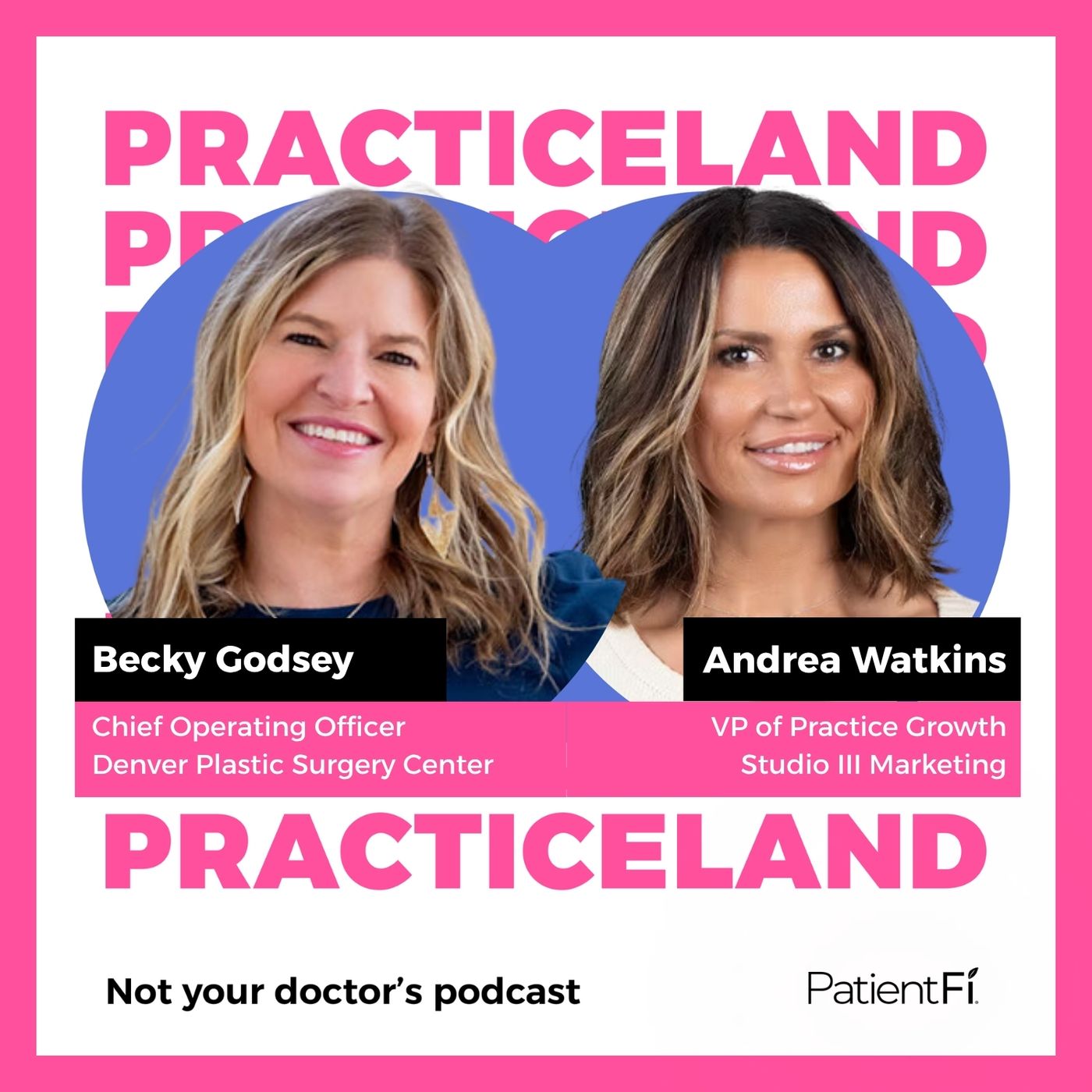
Andrea talks with Becky Godsey, Chief Operating Officer at Denver Plastic Surgery and Aesthetics, who slowly rebuilt her practice’s automated messaging to feel personal, protect the schedule, and take busywork off the front desk. She breaks down her exact cadence — a message at booking, a three-days-out reminder paired with pre and post-treatment instructions, a post-checkout care link, and the one timing trick that gets far more patients to leave a review.
They also get into where automation should stop and a human has to pick up the phone — anxious patients, complications, payment-plan questions — plus how a front-desk QR code and a linked instructions page stop wasted appointments before they happen, and why the surgeon, not a text, should be the one asking surgical patients for a review.
Questions answered by this episode:
- How do you get patients to leave reviews?
- What is the best time to ask a patient for a review?
- How do you reduce appointment no-shows and cancellations?
- How do automated appointment reminders work?
- Should you call or text patients to confirm appointments?
- How can AI help write patient text messages and emails?
- What should pre and post-treatment instructions include?
- How do you ask surgery patients for a review?
- How often should you text patients before they unsubscribe?
- How do you set up an EMR for patient communication?
Becky Godsey
Chief Operating Officer, Denver Plastic Surgery and Aesthetics
Becky Godsey is the Chief Operating Officer of Denver Plastic Surgery and Aesthetics, the Denver practice founded by Dr. Christine Rodgers. Since joining the team in 2016, she has run operations across every department — staffing, processes, and the patient experience from the first phone call to post-op follow-up. Before plastics, she built her career in advertising and sales and managed a healthcare nonprofit, and that mix shows up in how she thinks about patient communication: efficient, but never robotic. She is the person quietly rebuilding the systems most practices just complain about.
Learn more about Denver Plastic Surgery and Aesthetics
Follow the practice on Instagram @drchristinerodgers
Practiceland is presented by PatientFi — the patient financing partner built for aesthetic practices. PatientFi gives your patients access to flexible payment plans and gives your team the tools to offer financing confidently, without the awkward money conversation.
Learn more at patientfi.com/aesthetics
Host: Andrea Watkins
Producer: Eva Sheie @ The Axis
Assistant Producer: Mary Ellen Clarkson
Engineering: Cameron Laird
Theme music: Full Time Job, Mindme
Cover Art: Dan Childs
Practiceland is a production of The Axis: theaxis.io
Andrea Watkins:
00:03 - 00:17
Well, hi there. I am Andrea Watkins, and if you're listening to this while juggling three patient calls, checking in a couple patients, taking a payment, selling skincare, and trying to catch your doctor in between procedures, you might be working in an aesthetic practice.
Blake Lucas:
00:18 - 00:22
And I'm Blake Lucas, and this is PracticeLand. This is not your doctor's podcast.
Andrea Watkins:
00:25 - 01:08
Welcome to PracticeLand. This is Andrea Watkins, and we are here today to give you the best tips about how to tame the chaos and get shit done in your medical aesthetic practice. So today, I am so excited, you guys. Becky Godsey is here, and she is the Chief Operating Officer over at Denver Plastic Surgery and Aesthetics. Welcome, Becky. Thank you so much for being here. Happy to be here. Absolutely. So I met Becky about a year and a half ago or so and have been working with them in their practice. And Becky, why don't you tell us a little bit about your history with Dr. Rogers and with DPSA?
Andrea Watkins:
01:09 - 01:13
I know you've been there for like a decade. And so why don't you just tell us a little bit about that?
Becky Godsey:
01:13 - 01:43
I came to Denver Plastic Surgery almost exactly 10 years ago. And I really wasn't quite in this industry, definitely not plastics or cosmetic. But I had a lot of advertising and sales background and I had managed a health care nonprofit. And so I had a friend that worked in the office and she felt like they had a need and started here kind of in a patient care coordinator role and was really quickly promoted to practice manager and then COO. So, yeah, I love it.
Andrea Watkins:
01:43 - 02:16
So just as a little bit of background here, I did come to your guys' practice for microneedling and Botox. And I was just struck by how every single text, every single email, it felt like it was written by someone who knew the practice. It wasn't appointment reminder, press C to confirm your appointment. It was nothing like that at all. And so it was just this very rare experience that I had. And so I think this is a really great opportunity for our listeners of Practice Land. Most of our listeners, they're going to be our front desk people, our front desk staff, our patient care coordinators, our marketing team,
Andrea Watkins:
02:17 - 02:37
and our practice managers and COOs. So I really want this to be a good opportunity for them to learn from you because you've done it so well. So take me back and just kind of like walk me through what clicked with you with your technology of how you could really utilize it to help support your team and your patients.
Speaker 1:
02:37 - 02:37
Yeah,
Andrea Watkins:
02:37 - 02:37
well,
Becky Godsey:
02:37 - 03:08
we brought out on our EMR right before I started in the practice. It was brought on by the practice manager prior to me. And I do want to say, like, the biggest part of an EMR when you're bringing it on is if you build it incorrectly, because you're really creating all of those kind of channels when you're bringing it on. And if you do it wrong from the beginning, it's such a pain. And because it was done wrong from the beginning when I came into the practice.
Andrea Watkins:
03:08 - 03:11
So you can go back, though. There is hope. All hope isn't lost if you did it wrong.
Becky Godsey:
03:12 - 03:46
There have been many times where I just want to throw it out the window, start with a brand new EMR so I can kind of create it how I want to do it. But if you've been through a transition from one system to another in a practice, you know what that's like on your staff. So I decided at some point, you know what, I'm just going to slowly rebuild it the way I like it. And yeah, it's probably been more work, but it has cost us less money than starting brand new. But for probably four or five years, we were just using the automated texting and systems that were kind of, you know,
Becky Godsey:
03:46 - 04:22
the very generic ones you're talking about that didn't really have our voice associated with it. And it was one of my providers who came to me and said, you know, I think I want to have like a little QR code at the front desk where people can scan it and they can see our before and after guidelines for each individual treatment. And then that just blew up into a much bigger project because I was like, well, if I'm creating this on our website anyway, why not have it linked to the EMR? So we went then.
Andrea Watkins:
04:23 - 04:44
You're saying, just to be like super clear, you're saying she had the idea of why instead of handing them papers or telling them things they're going to forget when they walk out the door, let's have a QR code that they can scan. And so from your person, when you guys started this conversation, you thought to yourself, well, if I'm going to build this anyway, let's repurpose it in multiple ways of communicating.
Becky Godsey:
04:44 - 05:12
Exactly. Because we all know as, you know, practice managers for a desk team, providers, if we have a patient that shows up for a treatment and is like, oh, I have dental work tomorrow. You're like, what? Yeah. Hello. I cannot treat you today. So or, you know, I'm going, you know, I'm getting a laser treatment today, but oh, I'm going to Hawaii tomorrow. And by the way, I'm bad about wearing my sunscreen. Like, you know, and then that's a wasted appointment.
Andrea Watkins:
05:13 - 05:18
Like I've been using retinol every day and I'm here for some sort of. Yeah. So it was, you know,
Becky Godsey:
05:18 - 05:36
it was to protect our schedule. We want to, you know, obviously we want patients to feel educated and prepared and everything like that. But at the end of the day, if somebody walks in and they've done something that we, you know, now we can't treat, we've lost that revenue. We've lost that appointment. I have provider sitting there twiddling her thumbs, you know, everybody's annoyed.
Speaker 1:
05:37 - 05:37
So,
Speaker 1:
05:37 - 05:38
um,
Speaker 1:
05:38 - 05:38
right.
Andrea Watkins:
05:38 - 05:52
And the patient is annoyed too, because they're like, well, I didn't know. And now I drove all the way here. and you just wasted my time. And that kind of also gives them a bad taste in their mouth because they're like, well, why didn't you tell me? And they get pissed and they're like, I'm going somewhere else or whatever. Yeah, exactly.
Becky Godsey:
05:53 - 06:28
So it came from kind of that, you know, we want to prepare them. We want to make sure they're not having dental work, you know, using their sunscreen, stopping their retinol, anything that we need to do to prepare them those two weeks prior to the appointment. And then also prepare them for don't get lip filler the day before a big event. You, going to bruise, you know, things like that. So, you know, it helps the patient experience. It protects our schedule. So basically every patient gets their pre and post instructions. When they book the treatment, there's a link two days before, maybe three days before the treatment,
Becky Godsey:
06:28 - 06:39
they get a reminder and we're still asking them to confirm in that reminder and stuff, but it's also, they're getting the treatment instructions and then they're also getting them immediately after the appointment. Right.
Andrea Watkins:
06:39 - 07:14
So the first four or five years or so, you kind of use the canned messages that were in your EMR. And then you started developing these additional resources for your patients that help the patients and the practice. And then you decide, let's go into the EMR and let's make sure that all of our confirmation and reminder emails before and after the appointment, let's make them more personalized. So who was responsible for writing those? How long did it take you? Like, what was that process for you to develop these tools? Because for most people listening, you're using an EMR. It's 2026 now.
Andrea Watkins:
07:14 - 07:23
And if your doctor has not transitioned from paper records, I would highly recommend that you do that first of all. But tell me about what that process was like for you.
Becky Godsey:
07:23 - 07:57
So initially, it was really me, you know, building the pre and post operative or post treatment instructions. Obviously, that was had already been done by the clinical team. So getting those uniform, uploaded, cute, pretty on the website, all of that. I have a great marketing coordinator, Aaron, who helped me get all of that. We had to get it on the website first before we could start building the messaging. But the messaging was all me. And, you know, I feel really strongly like you were saying, I don't want the canned messages. I don't I want I want it to feel personal. But we also everybody knows they're automated,
Becky Godsey:
07:58 - 08:33
like most people understand. And so there's a fine line, too, with, I think, all this automation and texting. If you are over communicating, if the texts are too long, if it's confusing, if it's cumbersome, they're going to unsubscribe. As you know, you sign up for a discount code online and then they're texting you three times a week. You're like, stop, stop, you know, and these texting has become so important in our practice for communication, appointment reschedules. If we have a patient unsubscribe, it really messes with our processes.
Andrea Watkins:
08:34 - 08:42
What's your cadence if you know off the top of your head? So you're doing it enough to prepare them, but you're not doing it enough to piss them off and be like, unsubscribe. So,
Speaker 1:
08:42 - 08:42
yeah,
Becky Godsey:
08:42 - 09:19
they get one. If they're not a new patient, I should say, they get one email and or text when they book the appointment. Another one three days prior to the appointment. And that's their reminder that's asking them to like click a button or send a number to confirm. And then if they're a new patient, they're getting an additional email with new patient paperwork, welcoming them to the practice and also hopefully a phone call from my front desk. But that's what's great about the system is if we get overwhelmed, if the practice is busy, if we miss that somebody scheduled online and is a new patient,
Becky Godsey:
09:19 - 09:54
it's not going to completely ruin our process. It's not getting stopped right there. They're still getting all the information. And then after the appointment, immediately upon checkout, they get another text that says, thanks, here's your pre and post care link once again. Everybody gets a text that day of the appointment at 7 p.m. that says, thank you for coming into our practice. And if you're happy, please write us a review. There was a lot of research done on the appropriate time. I don't know about you, but I've been to the dentist and I'm getting the link as I'm walking out of the appointment and you're just like,
Becky Godsey:
09:54 - 10:33
I'm running to work. I don't have time for this. And 7 PM was kind of the time where it's like, okay, you're home. You're maybe have just finished dinner. You're sitting on your couch watching a show maybe. And then if you get it, baseball practice, like you and I see everything. So it was kind of a research time of like, this is a good time to send this with people actually, because as much as I love, if you just click and give me five stars and don't write anything. Thank you. But like, I want you to write a personalized review. And so our surgical patients do not get this text. The surgical cadence is a little bit different,
Becky Godsey:
10:33 - 10:49
but all of our aesthetic appointments get a 7 p.m. text. And the way the system is built, if you're coming in every month for your hydrofacial and your BBL laser and everything, you're only going to get this text every 90 days. So you're not going to get it more often than that.
Andrea Watkins:
10:49 - 11:25
Put a pin in this, take a pause. If no one takes anything more away from this episode, which would be silly, then this point is 7 p.m. Have your automated review request text go out at 7 p.m. The research has been done. Becky's telling us here and now it's 7 p.m. at night. Have it the night after your appointment, after they're really happy, they had a beautiful experience with your front desk and with your providers so that they can hopefully while they're kicking around in the evening, leave you that review while it's fresh in their mind. So what do you think? We talked about cadence. We talked about the review the night of.
Andrea Watkins:
11:25 - 11:39
And then you said you were starting to say for your surgical appointments, what's that look like? Is it like after a four-week post-op or after a six-month post-op? Or when does the request go out for your surgical patients?
Becky Godsey:
11:39 - 12:13
So I don't send an automated one to them. you know, we give all of our surgical patients a gift card to come in for aesthetics. They would get one at that point if they did. But for us, that's a very personal conversation. Number one, the healing process is tough. I've been through surgery myself. There's times where you're like, oh my God, I just, I thought it would be better than this. Or it's definitely like a flow. And so you don't want to be asking and everybody's is different too. So some people are like high on life the first two weeks because they're just so happy. And then they experience the lull.
Becky Godsey:
12:13 - 12:49
Some people have a really hard time in the beginning. And then so you want to hit people when they're in the happy place, obviously. We ask in person. I mean, we become best friends with our surgical patients. We see them all the time. We want them to come in the office for more than they need, probably post-operatively, because we really want those touch points. We want to make sure they're okay. And we feel really strongly too with the healing process. We want to be ahead of any potential, you know, issues or infections or things like that. So my PAs really do talk to these patients all the time,
Becky Godsey:
12:49 - 13:21
especially those first couple of weeks after surgery. So we know, we know if they're happy, we know if they're having a hard time. And anytime somebody's happy, you know, it's the first thing that comes out of my staff's mouth, like, hey, would you mind, And we have some really great patients who are so happy. They'll be like, I really want to take the time to write a good review. And they spend hours on it. It's so lovely. But I feel really, really strongly that the best time to ask for a review is when the surgeon is in the appointment.
Andrea Watkins:
13:22 - 13:59
The research does show that the surgeon being a part of the ask gets the best results 100%. Because the patient, as a patient, I've been a patient. That's how I got into aesthetics. And as a patient, I remember just thinking your hands changed things about me that I was very vulnerable about that I couldn't do on my own. There was nothing more that I could do after losing 110 pounds that I could do on my own that surgery couldn't. And you're so indebted as a patient to your provider that making sure the provider feels comfortable saying, would you mind sharing your experience with other patients that are looking for someone,
Andrea Watkins:
13:59 - 14:10
it really is critical. And that sets the stage so that when your team does send the link or when we do show them the QR code, that it's okay. So I agree with you wholeheartedly on that.
Becky Godsey:
14:11 - 14:31
Yeah. There's nothing, I mean, having been through it myself too, it's like, you feel like this person changed your life. And so when the PA or nurse or medical assistant are asking, you're like, sure, sure. You know, okay, I'll get to that. But when the surgeon looks you in the eye and says, oh, I would so appreciate a review. Yeah. Done. And it's a better review that way.
Andrea Watkins:
14:32 - 15:01
100%. I agree. So no automations on the surgical review request because we do that in person, which I love and I agree with wholeheartedly. For the non-surgical, it's going out at seven o'clock at night and that's automated. Just they check out seven o'clock that night. They're going to get an email, which I got one too. And I was like, I think I probably was, I was probably working, unfortunately. But I definitely went on there and I was like, yep, leaving them a review, had a great experience, you know, because it's like you're out of the hustle and bustle of your normal day. Yeah.
Andrea Watkins:
15:01 - 15:25
So how did you formulate the verbiage that you ended up using? Because again, I think it's very warm. And yes, to your point, I know that it's an automated message. Raquel or Sam did not sit down and type me that message because they love me so much. But how did you come up with that? Just, I mean, you're very personable and warm just as a human being. So it was probably pretty natural for you, but what was your process? Yeah.
Becky Godsey:
15:25 - 16:02
I think like something that stands out about my practice in particular, I mean, we're all women, but we're like, we have such a good, like caring team and everybody's so friendly. Sam and Raquel are amazing. My girl's a friend. They know everybody's name. They, you know, how was your trip? You know? And so I wanted it to feel like us. And, you know, those automated generic ones just didn't feel like us. So I definitely wrote it in my own voice. We wanted to keep it down to just a couple sentences. We don't want it to be too long. We want to get out the information. We have to get in there. Like, please confirm, you know,
Becky Godsey:
16:02 - 16:26
we have a 24-hour cancellation policy. And here's your post care. And so, yeah, I definitely, there's a place where I used AI for sure. type it in, you know, chat GPT, then say, no, I don't like this. Make it sound more like me. You know, that's where you can use, like we were talking about automation. That's where you can use that and, and tell it, no, I don't like that. That sounds generic. Like do it again, make it sound.
Andrea Watkins:
16:26 - 17:01
That's too stuffy for the culture and vibe that we have in our practice, or it's not professional enough. If it's too casual, you can utilize those AI tools to help you develop what that messaging would be and say, I want this two sentences. I want it to be cordial, but whatever it is that your vibe is and your practice, and then you can just keep talking back and forth to it. Let's talk now about how this has impacted the workflows of say, for example, your front desk, because the front desk would be the people in most practices where they would be responsible for got to send this communication out, got to do this, got to do that,
Andrea Watkins:
17:01 - 17:26
got to do this. How has this helped them by utilizing the technology? You know, basically every technology company is going to be like, this is going to save you time. This is going to save a team time, blah, blah, blah, blah. Make it easier, automate, do this, do that. But what did you experience once you really started using this tool, these tools of how it impacted the workflows of those that are patients all day, every day? Yeah.
Becky Godsey:
17:26 - 17:56
No, it definitely has helped the workflow quite a bit because we get less appointment cancellations, things like that. I did, when I first started here, the front desk had to call every day and confirm every appointment for the next day. That's a huge time suck, you know, and our practice has only grown in the last 10 years. We have double the amount of providers that we used to have. So that workflow would have been ridiculous. We have other things to be doing, but so less manual reminding, our forms are going out automatically. So we're preparing,
Becky Godsey:
17:56 - 18:28
not only preparing the patient for the appointment with the pre and post that we were talking about, but they're also getting any forms, any consents, anything like that. And so, you know, everybody knows like the more we can make our schedule more efficient, the more money your practice is going to make. So if I'm not spending time getting a Botox consent before the patient's gone, going back, you know, and parking's bad and then they're five minutes late and then my schedule is 30 minutes behind and then another provider's waiting because they needed that room for this, you know, whatever. And so it's making,
Becky Godsey:
18:28 - 18:30
it's making life easy for everybody.
Andrea Watkins:
18:31 - 18:49
Where do we draw the line on automation? So important. So when does the automated text or the automated email become a wrong avenue and we need to incorporate the human person to person interaction?
Becky Godsey:
18:50 - 19:18
I, I feel really strongly like the automation is great, but there are so many times where it's like, we do not do not send a text about this even if it's not automated, you know, pick up the phone, talk to if somebody is upset, if somebody is disappointed in their treatment, if somebody is confused, you know, all of these things, you know, we want that, at least in our practice, we are not a one size fit all. We are not a, you know, I want to cater to every individual patient.
Becky Godsey:
19:18 - 19:53
And so that's why automation is important because it frees up my front desk time so that they can have those personal conversations with patients that do need that. They do need that personal touch. So the automation does not replace the team. The automation does not replace the training and the personal touch. It just protects the team from burnout so that they can spend the time with the patients that need it. So a patient that has, you can tell they have anxiety. They're texting back to the reminders like, do I need to do this? Do I need to do that? You know, it's like, pick up the phone. Pick up the phone and call. And there,
Becky Godsey:
19:53 - 20:18
you know, I have some younger staff members. I think it's a generational thing where it's a lot of texting back and I'm like, no, no, no, no, no. Stop. You need to pick up the phone and have the phone conversation because there are people dealing with complications. Lots of financing questions or concerns. Just, I mean, there's always the patients you just know they're like kind of more emotional and anxious. Like you've got to pick up the phone.
Andrea Watkins:
20:18 - 20:45
I love what you said about the automation is there to free up the time for us leaning into the human to human connection and the conversations that we need to have, which is the anxiety, the complication, the establishing trust, building rapport, all those things that are so critical in our patient's journey. Use the automation to get them in the important steps on the phone with somebody that can have the connection point with them.
Andrea Watkins:
20:47 - 20:59
In your technology stack, what do you use currently, whether there's automations or not? And are there things that you tried and that you were just like, meh, that's not going to work for us and for what we're doing in our practice?
Speaker 1:
21:00 - 21:00
Yeah,
Speaker 1:
21:00 - 21:00
I mean,
Speaker 1:
21:00 - 21:01
I think,
Becky Godsey:
21:01 - 21:33
listen, nobody like loves their EMR. It's funny. Nobody does. Everyone hates it. Yeah. And like I was telling you when I started here, the one that we use, like, I don't know that it was built appropriately from the beginning. And so going back and trying to fix them and there's still things that I don't love. But I but I realized, like, as I was calling around to maybe replace it, like there's drawbacks with every single one. It doesn't matter. And so do the systems all talk to each other the way I want them to and all of those things?
Speaker 1:
21:33 - 21:33
No,
Becky Godsey:
21:34 - 22:15
never. So it's finding the pieces to make it all work. Like, like the text reminders that get sent out through my system or the review rather that comes from a different company that basically just integrates with my EMR. So it's, it's annoying because they don't really talk to each other, but gosh, what is the number one thing I would, I would say, I mean, the, the pre and post instructions. I think for us that that has been a game changer. I don't know why we didn't. I mean, we probably only started it three or four years ago. I don't know why we didn't do it sooner. Like you said, we were doing it on paper and just having that.
Becky Godsey:
22:16 - 22:39
And we do have the cute little Etsy sign with the QR code up front. So that's like they're standing at the checkout desk and they're looking at my front desk person. The provider has already gone on to the next patient and they're like, oh shoot, I forgot. Can I take Advil? It's like, scan it right here. You know, like here it is for you. So having that available on the website, I think has been the biggest change for us.
Andrea Watkins:
22:39 - 23:12
And as a patient, that's what I really noted. I loved just so many things about your cadence and about the way that you utilize the automated communications and things like that. But as a patient, those pre and post-op instructions, and I clicked on it and it took me to a page on your website that I would not have visited otherwise. And I was just like, oh, this is genius. This will save your provider so much time. It'll save your front desk so much time. We don't have to go through. You're going to get a text after you check out. It's going to take you straight to the website. That takes four seconds. Whereas you're printing,
Andrea Watkins:
23:13 - 23:49
you're collating, you're putting this, that, and the other where you, you know what I mean? Everyone is on their phone. And so having it right there, I think is incredible. I love that. So for any listener here, to your point, None of us love our EMRs, but what I think in this whole little area that most practices are lacking is really leaning into and utilizing the tools that are there. So say, for example, maybe they're using 10% of them. What would you say is like the one thing that they should lean into that's there that they should turn on first or that they should really investigate? I mean,
Becky Godsey:
23:49 - 24:14
if anybody has an EMR and isn't using the appointment reminders, I would venture to say, yeah, I feel like everybody is using the reminders. I think for us, the turning on the review link was a huge game changer for us. So that would be in addition to the, those are my top two, the appointment reminders and the review links.
Andrea Watkins:
24:14 - 24:49
And beef up those appointment reminders with links to pre and post-op care, financing links. If those are procedures that patients could use financing in your practice, use the automated reminders and make them worthwhile and valuable for the patient experience. I think it's really what you guys do incredibly, incredibly well. No, it's like, thank you. It's fun to be a patient and thank you for coming on here and sharing your experience with that. If it can make other people's workflows better, their patient experience better,
Andrea Watkins:
24:49 - 25:03
take some of that busy work off of their front desk like it has for your team and for Sam and Raquel, whom I love. If they're listening, shout out. Love you. They're incredible. It'll really help. So anything else you want to add to any of that? No,
Becky Godsey:
25:03 - 25:14
I think you said it perfectly. I think making those reminders valuable is the most important part. If it's something that somebody is not going to read, then why do it? Yeah.
Andrea Watkins:
25:15 - 25:57
Yeah. Why even do it? Perfect. Well, one last thing before we go. So we always do this cute little section on the pod called She Did What? Where we love to have our guests share a crazy patient story, team member story. It could be something insanely crazy that happened. Like the first time we ever did this, someone shared a story about someone that had brought back a medication, but it was actually Fabuloso. They used the medication and then filled the bottle with Fabuloso and brought it back to get a refund. So there's like crazy patient stories. There's crazy team stories.
Andrea Watkins:
25:58 - 26:12
If you wouldn't mind just sharing with us something. You've been in practice for 10 years. So I'm sure you've seen some crazy shit. So it could be patient and it could be good to like someone going above and beyond and out of the way like she did what she did that for her patient.
Becky Godsey:
26:12 - 26:43
But what do you what do you have for me, Becky? Oh, God, I actually have a really recent one. As you know, I've been training a new patient coordinator in my office, Megan. She's wonderful. And so Maddie, my other patient coordinator and Megan and I are all currently sharing an office. So Maddie's going through new patient calls with Megan on speakerphone. So I'm like, you know, can hear everything going on. So that she can train her so she can hear the call cadence. And for anyone listening that works with Andrea or LeadLoop, you know,
Becky Godsey:
26:43 - 27:21
we have kind of a list of things that we go through when we're on that new patient call for the surgical patients. And so this is a woman that wants a, I think it's a breast augmentation. And Maddie's kind of going through the call script. And she's like getting to the part where she's like, okay, like going to talk about recovery. So do you have anybody to help you with your recovery? And she's like, yeah, I mean, I have my friend and my boyfriend and my husband. And we were all like, like we're looking at each other. Like, you know, she's on speakerphone. So I'm looking back at the girls. They're looking at me.
Becky Godsey:
27:21 - 27:59
All of our mouths are wide open and girl just keeps on going. And then we, then we get to the point in the call. I mean, it gets worse actually. Then we get to the point of the call where you mean better. I was like, what is happening today? So then, um, Maddie starts going through, you know, she's giving her an estimate on what she thinks the surgery is going to cost. And she, she gives her a range of pricing. And then we hear in the background, you know, there's a man and he's all, Oh yeah, that, yeah, just here. Do you need my card? She looks at me and we're all like, is that the husband or the boyfriend? We wanted to know so bad.
Becky Godsey:
27:59 - 28:08
Didn't have the guts to ask, but yeah, she was great. And of course, when she came in with her, for her consult, it was like, this is the girl with the boyfriend and the husband.
Andrea Watkins:
28:08 - 28:12
And did, did the boyfriend or the husband come with her or was she a consult by herself?
Becky Godsey:
28:12 - 28:16
I don't know. I'm going to have to ask Maddie. I don't know, but we were just,
Andrea Watkins:
28:16 - 28:47
she brings you credit cards, one from the boyfriend for half and one from the husband. That would have been the best. That would have been incredible. I mean, get you some girl. to work it. I was like, how can I sign up for that? Exactly. I love it. All right. Perfect. Well, thank you again so much for being with us today. I really hope that our listeners can take some of those tidbits. The main ones, make your automated messages valuable, create content and links that you can take because you don't want to have everything in this wall of text.
Andrea Watkins:
28:47 - 29:21
Create something on your website that you can just link patients to so they can link over there. And if you're going to send out your automated review requests, 7 p.m., the research shows is the time to do it. So hope to have everybody back here next Tuesday. I'm sure we'll have Becky on again. She has a plethora of great information. You've done such a great job with Dr. Rogers office. You have an incredible team. And we're just really grateful that you are here. And to all our listeners, if you have questions, want to provide any feedback, of course, you can link us through practice land podcast dot com.
Andrea Watkins:
29:21 - 29:22
And we will be back next Tuesday.
Blake Lucas:
29:25 - 29:37
Got a wild customer service story or a sticky patient situation? Send us a message or voicemail. If your tale makes it into our she did what segment, we'll send a thank you gift you'll actually love. Promise no cheap swag here.
Andrea Watkins:
29:37 - 29:49
Are you one of us? Subscribe for new episode notifications and more at practicelandpodcast.com. New episodes drop weekly on YouTube and everywhere you can listen to podcasts.
Speaker 1:
30:19 - 30:19
âªâªâª
VP of Practice Growth at Studio III Marketing
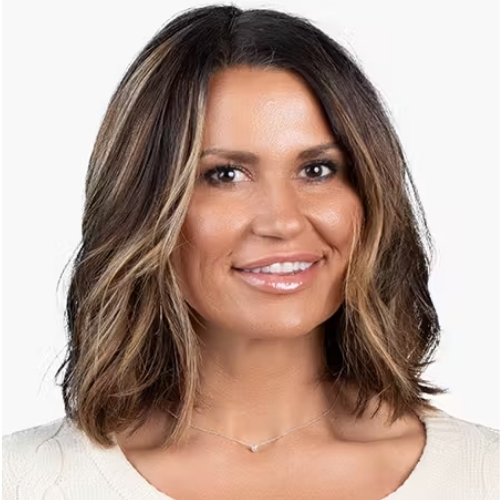
Andrea Watkins is the Vice President of Practice Growth at Studio 3, where she coaches plastic surgery and aesthetics teams on strengthening patient acquisition workflows and optimizing lead management systems to drive measurable growth. She has partnered with more than 100 practices nationwide—helping them capture and analyze lead and conversion data, streamline consultations and booking, and align staff training with business objectives.
Andrea’s approach centers on turning data into action: equipping practices to improve patient intake, increase conversion rates, maximize marketing resources, and optimize the patient journey. Known for her directive yet approachable, non-salesy style, she empowers practice leaders and teams to enhance efficiency, boost profitability, and deliver an elevated patient experience in today’s competitive market.
Chief Operating Officer, Denver Plastic Surgery and Aesthetics
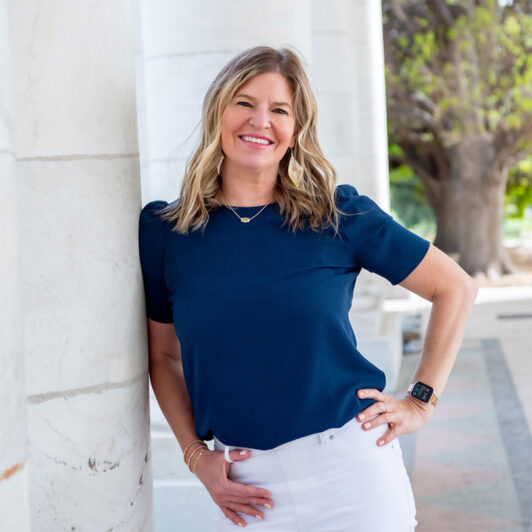
Becky Godsey is the COO of Denver Plastic Surgery and Aesthetics, where she's run operations for almost a decade under founder Dr. Christine Rodgers, Denver's first female private practice plastic surgeon. She joined the team in 2016 after a career that spanned local media, healthcare nonprofit work, and clinic management — a background that made her sharp at translating business operations into a patient experience that actually feels personal. She's known for rebuilding the practice's entire EMR communication system from scratch so every automated text and email sounds like a real person on the team wrote it.