One Front Desk, Seven Logins, Zero Time for Patients


 RSS Feed
If your morning starts with copying and pasting the day's bookings from one system into another, you already know the pain that comes with running four to seven disconnected platforms in one practice.
It shows up as double data entry, missed leads, and a front desk person who's become the only one who actually understands how everything connects.
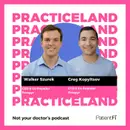
Andrea talks with Walker Szurek and Gregory Kopyltsov, co-founders of Prospyr, the practice management platform built to replace that patchwork. Neither of them came up inside a practice — they built software first and learned the pain points by watching real front desks work — which gives them an outsider's read on where the gaps actually are.
They break down what actually happens when an AI agent answers a call or text after hours, why "garbage in, garbage out" applies just as much to AI as to any report, and which role in the practice — hint: it's usually the front desk — gets the biggest chunk of their day back when the systems finally talk to each other.
Questions answered by this episode
- How many software systems does the average aesthetic practice actually use?
- What does an aesthetic practice technology stack typically cost per month?
- How does an AI front desk agent work for a med spa or plastic surgery practice?
- What is "garbage in, garbage out" and why does it matter for practice reporting?
- How long does it take to set up a new practice management system?
- Can AI actually book and reschedule appointments without a staff member?
- How do you prevent AI hallucinations when it's talking to patients?
- What is marketing attribution and why do so many practices get it wrong?
- Who benefits most when a practice automates its front desk with AI?
- How do you convince practice leadership to invest in new technology?
CEO & Co-Founder, Prospyr
Walker Szurek is the co-founder and CEO of Prospyr, the practice management platform for aesthetics and wellness businesses. He spent his early career on the product side of software companies, identifying operational gaps and shipping the fixes, before starting Prospyr with Gregory Kopyltsov. His interest in aesthetics workflow began with conversations with family friends running practices, watching firsthand how many hours the front desk lost to systems that didn't talk to each other.
Connect with Walker on LinkedIn
Gregory Kopyltsov
CTO & Co-Founder, Prospyr
Gregory Kopyltsov is the co-founder and CTO of Prospyr, where he leads engineering and product development. He has spent roughly 15 years building software and startups, including an earlier venture in on-demand beauty and wellness. At Prospyr, he's focused on grounding the platform's AI features in real practice data so automated responses to patients stay accurate rather than generic.
Connect with Gregory on LinkedIn
Learn more about Prospyr
Practiceland is presented by PatientFi — the patient payment plans partner built for aesthetic practices. PatientFi gives your patients access to flexible payment plans and gives your team the tools to offer them confidently, without the awkward money conversation.
Learn more at patientfi.com/aesthetics
SHE DID WHAT?
Got a wild customer service story or a sticky patient situation to share? If your tale makes it into our "She did what?" segment, we'll send a thank you gift you'll actually love. Promise, no cheap swag here. Send us a message or voicemail at practicelandpodcast.com.
SUBSCRIBE
Are you one of us? Subscribe for new episode notifications and more at practicelandpodcast.com. New episodes drop weekly on YouTube and everywhere you listen to podcasts.
Host: Andrea Watkins
Producer: Eva Sheie @ The Axis
Assistant Producer: Mary Ellen Clarkson
Engineering: Chris Mann
Theme music: Full Time Job, Mindme
Cover Art: Dan Childs
Practiceland is a production of The Axis
Andrea (00:00):
If we're not capturing every single person that's interested in all the money that your owner is spending, then that means we're missing out on opportunity to generate revenue and serve more people. That means we're missing opportunity for raises, for additional benefits. Well, hi there. I am Andrea Watkins, and if you're listening to this while juggling three patient calls, checking in a couple patients, taking a payment, selling skincare, and trying to catch your doctor in between procedures, you might be working in an aesthetic practice.
Blake (00:36):
And I'm Blake Lucas, and this is PracticeLand. This is not your doctor's podcast.
Andrea (00:42):
Hi, this is Andrea Watkins and welcome back to PracticeLand. Today, I am so excited. We have Walker and Greg, co-founders of Prospyr, here to talk with us about one of the things that pretty much pisses the most of us off that are working in the sales and administrative positions in plastic surgery and med spa practices, which is the technology. So the tech stacks, they can be really complicated. They can create double work. It's frustrating for the teams. And so I'm really excited to talk to you guys about what you found out through your research on just the monkey wrenches and the heartaches that we're having in the practices and what you guys have done to try and help us overcome those things. So Walker, I'll let you go first, but why don't you just introduce yourself really quickly and then we'll go to Greg and then we'll start our convo.
Walker (01:33):
Awesome. That sounds great. Thank you very much. My name is Walker. I'm the CEO at Prospyr. Prior to Prospyr, like you said, came from software building, worked on the product side of the house. So that is figuring out the problems that need to be solved, designing the solutions and then getting them built. And then ultimately started Prospyr with Greg. So I'll kick it over to him.
Greg (01:55):
Hey Andrea, great to meet you. My name is Greg. I'm the other co-founder at Prospyr, the CTO. So I'm responsible for running our engineering team and building the product. I've been in software and startups for about 15 years, and this is my second startup. My first one was in on-demand beauty and wellness, so kind of adjacent.
Andrea (02:17):
Tell me a little bit about how you identified what was going on in practices. And Walker, you and I have spoken before and you kind of gave me the perspective that you came in from. So why don't you share a little bit about that because it is the real world nuts and bolts of what's going on within the practices.
Walker (02:35):
No, I think I was very fortunate to have some family friends who were in the space. I got to pick their brain and hear what was their day like, what were they doing, what were their challenges? And I think it really comes down to moments in people's day that really highlight, oh shoot, there's something that needs to be fixed here. And there's got to be a more elegant way to go about this on the day-to-day to give a couple of examples of that early discovery and what we heard that got us really excited to solve this problem and solve an ever-growing host of problems because the deeper we're into it, the more problems we're running into that we're excited to build for. But two examples, one right off the bat, a practice, a med spa using a booking system and a different medical record system.
(03:23):
Every morning the front desk person would manually create all of the appointments in the EMR based on what was in the booking system that morning. So that was the first 40 minutes of the day was manually recreating the day in one system versus another.
Andrea (03:36):
And banging their head against the wall in the interim. Yeah, exactly.
Walker (03:40):
Exactly. And similar, again, so much of this revolves around the schedule as well is that the system that a different practice was using didn't have reporting where they could go see who were my patients who came in for Botox 90 days ago who I want to get a reminder to rebook if they don't have something coming up on the schedule. In that process, instead of having anything automated that went out to those folks or being able to pull a report for that, it was going back to the schedule 90 days back, three months back on the schedule, making a list on a separate piece of paper and then going profile by profile to see if they have something booked coming up or something not booked so that then they can go into another system to send the text message or make a call or something like that.
(04:27):
So I think those were the moments that were like, oh, there is so much that we can build here that's going to make lives easier for the people running these practices and make life easier for patients.
Andrea (04:41):
My thought always goes to what is our opportunity lost? So what are we not able to do in the actual patient journey and the patient relationships and the patient communications one-on-one that we can't do because we're busy doing all of this administrative thing because we don't have technology that's actually supporting what we want to achieve. So we actually, before this episode, Eva and I put together a list and it's probably going to take me a minute. So I'm just going to ask everybody to just listen in and think to yourself, do a little mental checkbox of all the different things that someone at the front desk or in a patient care coordinator type role or marketing or practice administration that they're having to go to on a daily, weekly basis, sometimes only monthly, but there's quite a list of platforms that we're running through when we're running in a practice.
(05:35):
So first of all, we have platforms that are capable of generating digital consents. So we can have digital consents. We either email them or do them internally. And then a lot of practices have digital consents, but then they're still printing paper forms for the patients when they come in for a preoperative appointment or for their actual treatment or procedure. And that can cost 15 to 100 to $2,000 a month just in printing, paper, storage, administrative labor, the hours that it takes to do that. We've got Constant Contact or MailChimp for email marketing. We have Podium or a similar type of a platform for mass texting. We have our legacy EHRs, of course, with our basic online scheduling that's helping us keep our days flowing. We've got Calendly. Some practices use that so that our patient care coordinators can book their own calls with their patients.
(06:30):
We have standalone CRMs that a lot of times don't even talk to anybody because they can't import or receive information from the EMRs. We've got before and after photo tools. So things like TouchMD, Mirror, lots of Mirror Vectra, lots of different patient facing apps in that way as well that patients can see their photos, but we're taking them in one platform, transferring them over to the other. As far as marketing, we've got websites, we've got an ad agency or AdWords agency. We've got SEO agencies. We have travel specific lead generation agencies. Maybe we have a podcast with its own microsite. We've got Instagram and Facebook, so we're getting DMs through those messages that sometimes they're being monitored, sometimes they're not. We've got freestanding membership programs, a credit card terminal that doesn't even sync with our EHR sometimes. So there's manual reconciliation that has to happen.
(07:26):
Then we also have our financing portal. So we have PatientFi portal, we have other financing options, so the staff has to log separately in to check the status of those. We've got shared Google and Outlook calendars that are sometimes maintained alongside of the EHR and the calendar that's going on in that. We've got our staff group texts. We've got our little chat that we can chat back and forth to the team. We've got maybe a tool or an agency that's managing our Google reviews completely separately. There's BirdEye and Review Loop and all these other things. And then we have our voicemails. Yes, people actually still do call practices and leave voicemails. We have our regular Google email inbox. And so that's a really long list. So what's on the list that practices don't even realize is a problem until somebody points it out? What have you guys found?
Greg (08:25):
I mean, it's quite a list and it's all things we've heard. I think we've migrated people from anywhere from four to seven systems with the occasional mix of spreadsheets. There's this interesting thing that happens because you rattled off all these different solutions and all these solutions are marketing to practices because this is a growing industry and there's opportunity here and the practice manager, the practice staff, they'll see this and the trap is that they think, well, if I add this point solution, it's going to solve this problem for me. And then the year goes on and they add one point solution, two point solutions. And what can end up happening is yes, it'll add some new capability. Maybe now you can have a loyalty and rewards program, you couldn't have it before, but it also adds risk in terms of double data entry or administrative overhead and complexity.
(09:34):
It can add compliance risk where there might be some gray area where some of these systems are not actually HIPAA compliant. And if you stack enough of them, you can kind of find yourself in this quicksand where now you've got this glue between systems, you are running reports, doing exports, transferring them between systems. There's a risk of mis entering somebody's data and now you might have a HIPAA risk. So as a practice owner staff member, you kind of started this journey of adding point solutions of thinking, I'm going to grow my practice. I'm going to give my staff the capability to do things they couldn't do before. But because you went the route of multiple point solutions, now you're kind of in this quagmire where you're stuck, you have all this administrative overhead that you're paying a lot because each system, everything's getting more expensive, what do you do?
(10:33):
And this is a common scenario that we actually will find practices in when they come across Prospyr.
Andrea (10:40):
Absolutely. And from being inside the practice for so many years, one thing when we would try to adopt, and I don't want to call out several names of platforms that on their own, they could work really, really well. But in practice when we would adopt a platform and then adopt another platform and adopt another platform, the constant thing that I continue to hear from my team was this is creating double work because now I have to take what's happening in here, copy and paste it over into the EMR because if it's not inpatient now, it's not happening there, but we need it there because eventually our clinical providers are going to need to see what happened previous to the person becoming an actual patient. And so that whole double work, I mean, it's really an inefficient way to spend time during the day when we could actually be managing patients and serving them and helping them reach their goals.
(11:34):
And then another thing inside the practice, there's turnover in every single practice. And so when you bring somebody new in at the front desk or in a patient advisor role or whatever the role is, things get lost every time there's turnover and how things really work get lost every single time. And the more platforms that you have to train someone, the more likely you are to lose... The baby gets thrown up with the bath water and you just all of a sudden you're three people deep five years later from when you implemented the system and nobody actually knows how it works. And now it's just become this thing that's sitting around and, oh yeah, we should probably do that, but we don't really know how it works. We're not able to pull the data and the information and the reporting that we can because the information that's been input is not reliable because we've had three new people that have now not been trained because it's one of seven platforms that they have to be trained on.
Walker (12:33):
No, I think we see that and you hit the nail on the head. I think as we're going through this discussion and this topic, I think what always scares me is gaps. Where are the gaps in the workflow that are going to just nuke your efforts where you're spending money and things like that? I think one area we see it all the time with point solutions is that lead capture to wherever you are going to be nurturing, converting, getting those leads booked. So many times it's just an email. Whose inbox are those emails going to? And to your point on staff turnover, are we on top of updating the system when someone left so that they're not getting that email anymore and the right person now is getting those emails? And so I think as you stack point solutions, it becomes a big training burden.
(13:20):
And especially I've just seen that lead email so many times. It's one that we do when we're onboarding the Prospyr, one of the first things we say is whereas everywhere people are expressing interest in your practice so that we have all of this automatically digitally flowing through because as a practice, you're spending so much money on marketing. It's one of the top line items for so many of the practices we work with when we're talking about the costs. And so we want to help make maximum efficient use of those dollars and those gaps are one that break my heart when I see them.
Andrea (13:53):
Absolutely. And from a leadership and practice management standpoint, that makes sense. And then from the front desk patient care coordinator roles, the reason this matters to you is because if we're not capturing every single person that's interested in all the money that your owner is spending, then that means we're missing out on opportunity to generate revenue and serve more people. That means we're missing opportunity for raises, for additional benefits, because if we're always just like, oh, we're barely breaking even, we're barely breaking even because our lead funnel is like a sieve and we're not capturing everybody in the right place, the reason that this actually matters to anybody in the practice is because without money, we don't have jobs. And I think that's something that really changed for me when I started managing a practice is that we just think that we show up and we get paid an hourly rate and we do a job and that's just what we do and the money's just going to be there to pay me.
(14:53):
Well, if we're not effective and efficient in our roles and we're not capturing all the potential we could have from all the marketing money our owner is spending, then that creates less money to have a team. So we were talking about when a practice decides to switch platforms from ABC to EFG to All-Star platform that does everything, what's the first thing that you find out about how they've actually been running this whole time?
Walker (15:20):
I think it varies a lot based on the practice and what systems they're coming from. What we see very frequently is there's often, to your point on what you were just saying with the front desk and things like that, that there are those linchpin people who are making it all work, who are just working across these multiple systems and making it all work and pouring their blood, sweat and tears into just getting the job done every day. And I think one of the most heartwarming things that happens when we're meeting those people is getting the, oh my gosh, this is going to make my life so much easier way of it being. I was in the clinic last month working with someone and the quote that a front desk person gave me was, "I can't believe we did it any other way." And that was exactly the scenario you described of a different system for memberships, a different system for checkout.
(16:16):
So we're checking out in a totally different system, different system for the EMR, and then a totally different system for leads coming in. So at least four systems up at all time that we're working through. And so I think that breath of fresh air and breath of relief is so gratifying for us as builders because that's what we build for.
Andrea (16:38):
So I mentioned something earlier that I find to be true so often, which is garbage in, garbage out. So when it comes to reporting and things like that, this is more on the marketing side and for maybe our patient care coordinators and our practice administrators, data is really important. So data of where are people coming, who's converting, who's not, how are our different lead sources converting? What is the revenue being generated? All of this reporting, but the data out is only going to be as good as the data in. So what kinds of data do you guys, from your research and from your working with all these practices, what do they think they have but they may not actually have? Or what is it that they want, but they just don't have the system or whatever in place so that they have that information? What's been really important to people?
Greg (17:33):
One of the most common gaps that I've seen is in marketing and attribution land. So I think the majority of the practices that we've seen coming in, and we've seen everything from practices that said, "Hey guys, we really tried to keep our marketing attribution accurate, but it was so hard that we just gave up because we just couldn't do it anymore. It was too many different places. And we have this advertising agency and we just look at the spreadsheet that they send us that have these really generic hard to use top level numbers of just how much we spent and maybe how many clicks they got from Meta ads or Google Ads, and that's as far as they go. So there's this huge, huge gap between the real dollars that you're paying to put into marketing and then giant chasm of missing information, and then what real revenue is it actually generating for your practice?
(18:41):
Traditionally, when you have disparate systems, it is so hard to connect the dots. And in our experience, it's been so hard for some practices that they just give up because they don't have the time or the manpower, and in a lot of cases are just blindly spending on ads and they're not entirely sure if it's working well or not.
Andrea (19:03):
All of the things that we're talking about are hitting on all the people that listen into this podcast, which are how can it make the person at the front desk, our patient concierge, can we make her day better? Because typically the front desk is really the one that absorbs most of the pain of this broken stack. So we're solving for those struggles from the front desk as well as from the patient coordination, nurturing, having some help with the nurture cycle of those new leads, because we know it's a very rare case that patients pick up on the first email, text, or phone call. And so it's helping solve a lot of the bottlenecks for the patient care coordinator team. And then once the patient actually gets into the clinic and with a provider, it can help solve with the reporting. And then also once we get beyond that, we're looking at the marketing team and the practice management, and then they can look at all that data instead of having to pull...
(20:03):
I mean, what most of us do at this point in time, because there's not a solution like this, is we pull information from our EMR, we pull information from our CRM, and then we have to marry it up inside of a spreadsheet that lives separately where we then have to create our own cute little pie graphs and our charts and all of our things from putting the data from several different sources. And then you're going to Google Analytics, how much did I spend that month? Then how much did that create? And then I'm creating an equation to be able to figure out what is my ROI for my marketing spend on each specific campaign. So basically you're telling me you're solving all the world's problems.
Walker (20:40):
We try our best.
Andrea (20:41):
I can't even imagine what I'm going to do with all of my free time when any of my clients start using Prospyr. I'm going to be on a beach with my toes in the sand drinking a margarita or something. It's going to be great.
Walker (20:55):
We can't take all the credit because we've been supported by a great group of advisors and our customers are constantly giving us ideas on how to evolve the system. What is that next thing that we could put in the system that takes another system out, another thing they're doing manually out, a new report, anything like that? So we are constantly grateful to our customers for placing the trust in us to continue to build those things and for the incredible, incredible insight and feedback they give every day.
Andrea (21:22):
I love that. And it takes a village, especially you guys have the brains and the software competencies, but without actually having been in the practice and talking to clients and seeing what the hardships are every day and where those bottlenecks are and where the redundancies are or the gaps in the pieces that we're missing, it's got to be a partnership. So thank God you've been able to work with hundreds of practices to be able to get that feedback, but then you actually do take the feedback and implement it to improve your system for the users, which is really critical. What's the setup like? So without the proper setup, none of this works. Are there recommendations and you guys have templates for things and then everything is customizable based upon the practice or how does that work? And then who do you guys have as a support team and how long does that typically take?
(22:13):
Because it's a lot. If you look at all of those things where we're having the technology fill in all of these gaps, we want to make sure that it's in the right tone and for the practice and all of the things. What does that process look like with you guys?
Walker (22:28):
Basically, you're exactly right. With the structure is templates with configuration to make it as easy as possible to make the appointment reminders unique and correct for your practice and your prompts for patients and things like that. I think one of the most critical things is the catalog and what services are we offering? Who can they be booked with? What retail products do we sell? And as we've talked about tech stack and point solutions and having seven different systems, we see that all the time with catalogs as well. You've been open for 10 years, you have services in your old system that are still active that you haven't offered in five or packages you haven't offered in seven. So I think one of the most critical things we work with our practices on to get right during the setup is really structuring that service and retail catalog because it's going to make it easier on providers to see what they have coming up on that day, easier for front desk staff to book appointments, check things out.
(23:31):
We're not wading through a million different things when we at this point only need 20 or something like for a getting service line. And it's going to make it easier for the practice management staff to actually understand what's happening in the business because there's not a lot of fluff and edge cases and things like that. So I think that's -
Andrea (23:49):
Random line items that we haven't actually done like Selfina. We haven't done that in five years.
Walker (23:54):
Exactly. So I think that's one of the key parts for people to get right anytime they're setting up any system, but we just see it a lot with Prospyr on that piece. And then we're pairing that with the templates that live in the system for chart notes and consents and intake forms and medical histories and appointment reminders and things like that. So it's a pretty quick checklist of boom, boom, boom, knocking all of those things out when you're set up. I've done this a number of times now, and if you have a catalog and you know what you want to change, setting up Prospyr end-to-end is probably 60 minutes to 90 minutes, somewhere in there as far as actually doing the things that need to be done to set up the system. But it's knowing what you need to do and having those things structured appropriately that is the biggest task of onboarding.
(24:42):
So what we typically do is work with our practices through a four to six week process where what we're doing is that kind of coaching with a dedicated implementation manager on how should we think about structuring our catalog is often the biggest discussion happening during that setup. And then just walking through and doing the initial setups of using those templates, tweaking those templates to fit the practice, and then getting to the point where we're training the staff on this single one system that is what they're going to be focused on going from there. So that's really what it looks like end to end of a four to six week process where really the first couple weeks are teaching the people setting up the system how to set it up, and then the next couple weeks are teaching the staff how to use it once it's been set up.
Andrea (25:29):
That makes total sense. And going back to what you were talking about, moving through the process and the features and forms and tools that you guys have within Prospyr, AI is obviously this huge buzzword, right? Everybody's like, "AI, AI." You go to any conference and it's AI, how to use AI. This is how I use it, this is what happened, all over the things. So what have you guys identified as the reality versus the buzz around AI and how you guys are really stressing the implementation through your platform?
Greg (26:06):
It's a great question, and we've definitely seen some interesting patterns emerge. I think one of the big dreams that we see being sold, and I think there's a new company every other week that we see pop up that says, "Hey, this is the definitive AI receptionist for your aesthetics practice. All you have to do is just sign up with us and you won't have to pick up another call or make another call again." And the high level answer that I'll give you about AI is it can be powerful. It's not snake oil. The technology behind AI is real. The pace and rate of improvement of how quickly the frontier models are getting better is real, both the text models as well as the voice models. Voice models are actually getting really good, but implementation matters and what really, really matters is context. So at the end of the day, AI is input and output.
(27:09):
It's almost like you said earlier, garbage in, garbage out. If you don't have the right context when you are pushing something through AI, whether it's a point solution, front desk receptionist that somebody calls, if they don't have your schedule, if they don't have the availability of your providers, if they don't have the data of previous purchases that your patients have made, if they don't have the data of previous appointments your patients have made, the AI will say something to the patient when they call, but it's not very likely to be the right thing. And this is where Walker and I are just so excited about what we can do with AI in Prospyr. And we started building Prospyr in late 2021, so this is pre - GPT. We now think of it as there's before GPT and after GPT, right?
Andrea (28:05):
The machines were not running our world.
Greg (28:08):
Not yet. Yeah. And we just sought out to fix a problem that we saw in the industry, and it just so happened that after speaking with advisors and aesthetics practices, turned out that a big part of the problem was that they just needed one system that did everything. And we've been building this for years, and now lo and behold, AI is here and context and data is so important, and we have it all.
(28:37):
We have every appointment. We know each of your providers. We know when they work, when they don't work. We know which locations they work at, which services they do and don't do. We know every invoice. We have all your clinical notes. We know who's on what membership and who's not on what membership. We know when a patient calls, if they have a package credit or don't have a package credit. And because we have all the context, we're actually in a really great position to deliver the dream that some of the AI frontier products are selling, is that this will actually work and feel like an intelligent system that knows you. When you call in to Prospyr as a patient, got your phone number, it matches to your patient chart. We know if you have patient wallet credits, we know if you have a package that needs to be booked and the AI can use that to help make your booking experience faster.
(29:38):
We know when you usually like to book and who you usually like to book with, with which provider in which location, and we can use all of this to quickly provide an intelligent answer to whatever you're calling about, whether you're rescheduling, booking, or just need to ask about some practice details, maybe what to do before After your procedure, we have all your pre and post-care docs that are configured against your catalog. So from a context -
Andrea (30:09):
So let me understand if I can put this into day-to-day because my mind is... I'm like that little emoji right now that his eyes are big and his mind is blowing off his skull. So you're telling me I'm a patient and I call your practice at two o'clock in the afternoon and everybody's busy and can't answer the phone, or I call at seven o'clock at night and everybody is out at the bar having marks. I call practice and I'm like, "AI agent, do you have an agent that actually picks up or do you have agents that respond via written form? Help me understand." We have both. Okay. Yeah, we have both. Agent picks up at 7:00 PM and they're like, "Hi, thank you for calling so-and-so, so-and-so." I'm like, "Yeah, this is Andrea. I wanted to reschedule a Botox appointment for whatever." And they could be like, "Okay, Andrea, hang on just a second.
(30:58):
Let me pull up your chart." So AI agent is pulling up everything about me and then they're like, "Oh, it looks like you usually like to see Kendall and you usually come in, in the morning on Tuesdays or Thursdays. Is that what you're looking for now?" "Yeah, that would be great. Okay, our first available is next Thursday at 10:30 in the morning on Thursday the 20th, blah, blah, blah, blah, blah. "And then the AI agent will just pick all that information out of my chart and make an appointment for me?
Greg (31:25):
Yeah. The way we think about it is-
Andrea (31:30):
Well hot damn.
Greg (31:34):
We have the centralized AI brain that has a variety of things that it can do, and every practice can configure what it's allowed to do. Is it allowed to book? Is it allowed to reschedule? Is it allowed to cancel? All those little things. And we have a bunch of different pipes that the AI brain can communicate through. Voice is one of them through our VoIP offering. SMS is another. So clients love to text in, so the AI brain can answer from there. We actually recently added Instagram, so patients also love to slide into your DMs and try to make bookings or find out more information.
Andrea (32:15):
They do. They do.
Greg (32:16):
And our AI brain that uses that same context and same set of tools and same rules that you set as your practice of what you feel comfortable with it doing can answer there as well. And it doesn't sleep. It could be on twenty four seven and it can be handling -
Andrea (32:34):
Doesn't go on maternity leave or have to take a nap or go home and sleep at night. That's so funny. So in order to develop this, obviously you guys had to do a ton of research and really make sure that it made sense, especially from an aesthetic practice point of view. It sounds like you've got a really great platform in this amazing, incredible tool, but where do you think it could go wrong and what have you done to prevent those things that can go wrong? Because I've seen some really, really poor AI responses from some other CMR platforms as recently as last week where I about lost my mind because I'm like, this is providing the absolute wrong impression to this new potential patient. So from your experience, we're talking about all the things that we can do right, but what did you see was going wrong that you're trying to prevent?
Greg (33:24):
One thing that we're always on the lookout for is hallucination and early models, everybody laughs, all the strange things that AI can just hallucinate and dream up and this is not something that you ever want happening to your patients.
Andrea (33:41):
Like really bad LSD trips. We're trying to prevent.
Greg (33:44):
Yeah.
Andrea (33:45):
Okay, cool. Perfect. Got it.
Greg (33:47):
So that's always something that we're fighting and how do we fight it? It's something that is called grounding in the technical industry, but basically you ground the AI responses in as much factual data as you can. So we talked about all the context that we have just about what is or isn't true about your practice. So we ground the AI responses and if Dr. Bob doesn't do a particular service, it won't ever say that Dr. Bob does that service. And then there's actually a whole configurable knowledge base where you can upload your website, upload internal documents. A lot of practices have internal documents that they train staff on, give it to your Prospyr AI, it can read it and train on that as well. And then the other thing that is really, really important to us is obviously since we're working in the clinical realm, things can go wrong, somebody might be having an adverse reaction, and if they're calling in about that and the AI picks up, we want to handle that absolutely correctly and do the absolute right thing.
(34:59):
And different practices have different policies for how they want to handle that, what they want to say. So we actually have bespoke places that are hyper-specific to aesthetics where you can configure how your AI is going to respond in those, hopefully not super common, but critical and hyper-specific aesthetics focus scenarios that a patient might be calling in on. And it could be anything from the generic directing them to 911 if it's a certain amount of hours. Perhaps there's a phone number or somebody on staff that you want to transfer them to immediately that handles or helps patients with anything like an adverse reactions. All of these things are there for you to configure to make sure that if one of these specific but critical scenarios happen, that your AI doesn't drop the ball.
Andrea (35:55):
And that's just a part of the whole setup checklist that you guys go through with the practice in those first four to six weeks where you're making sure that everything is configured according to the practice.
Walker (36:07):
Exactly right. And one thing I'll add there to what Greg said about the AI piece is, as you've seen, everyone's excited about AI, everyone wants to learn more or use it more, and everyone's also nervous and terrified, especially to put it in front of their patients, direct it. So one other thing built into every single AI tool that is patient facing and Prospyr is a testing situation and a testing environment. So I can, right after I've just checked the boxes about what my AI agent can do and told it what to do in emergency scenarios, I can pretend to be patient X and just text it right there and see exactly how it's going to respond. So if I want to see, oh, I want to add this knowledge to it or oh, I want to tweak how it's handling this specific scenario a little differently, we can set up little playbooks it can follow and things like that, but basically easier to train because 90% of what you wanted to know is already set up in the system and then incredibly easy to test and iterate and tweak it so that even if you just wanted handling those booking and rescheduling and things like that after hours or if no one's answered the phone in a certain amount of time, those patients who are following those paths are still getting the experience you want them to have with your practice.
Andrea (37:28):
So we talked about what has to be in place before the AI can do anything useful, which is the intelligence. All of that has to be there before it's really going to be useful. When it's working correctly in a practice, and obviously you guys see this a ton because you guys have hundreds of people that are on your system, who do you think actually benefits the most from the AI working correctly in a practice? So we've got owners, we've got providers, we've got people doing sales and admin. We of course have the patients. Who's getting the biggest benefit here?
Walker (38:02):
It is a great question. It's a hard question and I think -
Andrea (38:05):
We say everybody, everybody benefits. We're all winning together.
Walker (38:13):
A lot of our discussion has been focused on really the AI, we call it our AI front desk agent where we're interacting via Instagram, text, voice on that piece. I think when we talk about things like AI transcription, that's pretty straightforward that the providers are benefiting the most there because they're getting their notes done faster and not having to stay up until midnight getting their charting done for that day. So I think that one we'll call a little bit of a separate case, but I think one of the fundamental philosophies with how we've tried to design Prospyr is taking the easy stuff off people's plates with automation and AI so that they can spend their time where it's more valuable. And so I think surprisingly, some of the people who benefit most from something like an AI front desk agent being involved is the front desk because it is, like you said, it is a services business right here.
(39:11):
And so they're getting to dedicate their time where it is most valuable, where they can have the biggest impact, talking to those new leads and those new patients and answering questions about different service lines and doing that kind of proactive outreach to those folks. And their phone isn't ringing off the hook about reschedules, bookings, things like that. And they're getting a warm transfer from the AI agent if it's something that the AI agent isn't scoped to handle. So basically you can set it up at the front end or the back end of what your call routing tree looks like. And so basically people can book, reschedule, knock out the quick stuff that they want to knock out quickly. And I think especially we see that with practices that serve younger patient demographics, they're kind of used to that experience and native experience. So they're sometimes like, I don't even want to talk to a person, just let me book it online or book it through the AI agent on that piece.
(40:05):
So the front desk is only getting to focus on the things that actually are less repetitive, less wrote the things that are... We're getting that easiest 50 to 60% of the calls off the plate so that those 50 to 60% that you're left with are calls that you wouldn't have had time to make before or that are actually where the expertise you've built by being part of the practice is most useful.
Andrea (40:29):
If you are in one of these roles that you know that better technology would be helpful, what have you guys seen that's actually a good strategy for these people that know their life could be easier with better technology? So I don't know if you have an answer to that, but that would be helpful for our listeners to understand my day sucks because I'm going to seven different platforms.
Walker (40:54):
Yeah, it's actually something we've seen many times where the person found Prospyr and introduced us and reached out and maybe even did the first demo and put eyes on Prospyr for the first time was not someone with the authority to make a decision for the practice. And I think really what we've seen in that scenario, and you're right that it varies so much by role and what they're looking for and where a lot of that value lives, but really we've seen two things consistently in that story. One is when you're on that four, five, six different systems, and it really depends what those systems are and whether you are using three different systems or seven different systems, you're probably somewhere when you're talking just booking system, charting and photo system and your call and texting system, you're probably spending something before factoring in any AI or anything like that.
(41:51):
Somewhere in the ballpark of on the low end, $800 a month, on the high end, $3,600 a month on that one. And so when you go to your owners and say, "Hey, we're using these six different systems, it's costing us thousands of dollars per month to use these different systems and it's making our lives harder," there's immediate benefit to bringing it all into one systems when you compare it to the cost of all of those separate systems. The other thing, and this is kind of general for anything in life, it's not just true of software, but where is the practice manager and the owner, where are they struggling on their day to day? Where are they having and experiencing those pain points of, "I don't have visibility into I'm flying blind. I don't have visibility into where our leads are coming in from, which of our lead sources is most valuable, what percentage we're converting, how productive our providers are, all of those different questions that are one level deeper than counting appointments on the schedule and things like that.
(42:53):
And so I think the pain point that we see consistently is one is that lack of visibility into end-to-end operations and what's happening and inability to see and manage the business would be another area that basically front desk is excited because it's going to make life so much easier. And then owner and practice manager gets so excited because it's going to actually help them understand their business at a level of depth that they never have before and really unlock its full potential with automations, with AI, with the visibility you get from the reports.
Andrea (43:29):
I want to dive in just a little bit. If you can give me the cliff notes as far as what is the patient journey in Prospyr? Patient comes in from maybe a form on a website. What happens? Tell me. Tell me all about it.
Walker (43:42):
Perfect. So patient comes in from a form on the website. First thing that is going to happen is an opportunity is going to be created for the practice. So in the system where whoever has the permission to see it can see, oh, Walker has expressed interest in my practice, and we can pass whatever information we want to capture at that time as well. How did they find the practice? What services or treatments are they interested in? What time of day would they prefer to be called? Anything like that. And we're getting notifications out to the patient care coordinator and whoever needs to be aware that there's a new lead in. What is then usually happening right at the same time is immediate automation of welcome messages. So someone from a specific source has expressed interest in the practice, let's get them a contextually relevant welcome message, oftentimes an online booking link for med spas, that might be all services.
(44:38):
For a plastic surgery practice, that might just be a call with the patient care coordinator that we're prompting to book right there at that point. So right from the moment that lead has expressed interest, they're getting immediate communication, staff is being notified that there's a new opportunity, a task might even be created for someone specific to call that person, and we've already reached out to that person immediately. So what then happens, and a buzzy topic in the industry can depend on time of day and your practice and your market and who you're serving. If that patient texts back, it could be sending a notification and assigning a staff member to respond to that. Or if it's 1:00 AM in the middle of the night and this person has just expressed that interest, they might be an AI agent that's responding to them to either help get them on the schedule or get enough information that they can create a follow-up task for someone in the practice.
Andrea (45:35):
So within your platform, you have automations and AI that can speak back and forth to the patients for after hours stuff or if we're super busy and there's not somebody there during the workday that's able to immediately respond. Okay. All right.
Walker (45:52):
Exactly. So you can think of it as all of that conversation, of course, through to the booking step. Goal of all of these automations, reminders to engage with this patient as a patient care coordinator or front desk person, and the AI is of course getting them on the schedule. So from there, of course, the schedule fully lives in Prospyr. Once that person is on the schedule, they're going to be getting a link to their portal that includes their digital intake specific to that appointment where they're going to be filling out any forms and consents prior to ever stepping in the door. So we have fewer people sitting in the waiting room filling out forms. So then we can imagine the person was a great patient. They filled out their paperwork before ever stepping in the door, so we're still on time as a practice. What you're doing next in Prospyr is the photo management solution is fully built into the system as well.
(46:40):
One of your forms and consents might be that media consent, capturing the patient's consent for clinical use or marketing use of photos. You're capturing those photos directly in the system as well. So it's all part of the same workflow. Then typically the patient is being served where the provider is going to be completing their charting. Oftentimes they're using an AI scribe, especially for things like consultations where we want to capture every little thing that we talked about.
Andrea (47:05):
AI Scribe is a part of Prospyr?
Walker (47:07):
Yes, correct.
Andrea (47:08):
Oh, that's so awesome.
Walker (47:09):
Exactly.
Andrea (47:10):
My foot doctor did that when I was having surgery on my feet the past year and a half, and he's like, every time I would walk in the room or he would walk in with his little iPad, he's like, "Do you mind? I have an AI scribe." And of course not, but it got me to thinking, why don't we do this in plastics? Why don't we do this in med spa? There's a million things that it could just save so much time with the providers if this was just happening and automatically going in the patient chart.
Walker (47:35):
No, absolutely. We got a great photo from one of our customers of providers lounging in the injection chair because just scrolling on their phone because they'd already completed their charting and had a little gap in the day. They were fully caught up on charting because they were just using the AI scribe, burning through it, reviewing it, getting it signed off and compliant and done.
Andrea (47:56):
Oh wow. That's incredible.
Walker (47:57):
Lounging in the chair.
Andrea (47:59):
Scrolling some TikTok.
Walker (48:01):
Exactly. Exactly
Andrea (48:02):
Right. That's incredible. Okay. So then we get into the appointment, the provider's using the AI scribe, is helping with all the charting, and then what happens? And this is all, again, in the same system from where the patient new lead arrived to our practice.
Walker (48:20):
Exactly. Up next, basically provider might say in that chart, "We did 20 units of Botox, or I want to create a surgical quote for these three procedures. It's going to be a four-hour surgery," or whatever the case may be. Right from the schedule, front desk can hit a button to queue up that checkout or quote delivery for the patient where we can capture payment via PatientFi via credit card terminal, send a payment link, send a digital quote to the customer. So we're capturing payment in the same system as well.
Andrea (48:51):
So you can send the links to them to pay it through their phone as well? Correct. That's been a really great feature for a lot of practices and some of the EMRs have it, some of them do not. But it sounds like you guys picked up on all of the points where we can accept payment, whether it's in person or via the phone or anything, just to make it as easy as possible for the patient, but also for the team in collecting that payment, which is really important.
Walker (49:16):
Yeah. And I'll take a little aside here and get a little in the weeds away from the core flow of what we're talking about. But I think where checkout can get really complicated that we aim to solve is when we have things like we ran a Black Friday special and a bunch of people bought packages that might've happened in Shopify or WooCommerce and we just set that up and now we have a list of all these people who bought those, but they're not set up in the EMR or the point of sales.
Andrea (49:43):
So annoying.
Walker (49:44):
We're running a beauty bank membership through a different system there where they're getting banking $199 a month or something like that. We're cross-referencing these other systems to make sure that we're not giving things away for free or that we're underusing credits that patients have. So those are the types of things that also live in Prospyr, beyond the core workflow. You can think of it as some of the bells and whistles. All of those memberships are automatically accruing benefits in patients' accounts every month. And if they're getting additional discounts like 10% off of retail at checkout, it's automatically apply. So we don't need to worry about undercharging or overcharging our members if we're giving them specific discounts. And when we run that promotion for Black Friday that includes all of these different packages, Greg, magical, brilliant Greg has built a storefront, built a Prospyr so that using Prospyr's email and SMS marketing to send a link to the storefront where patients are purchasing packages, benefits are going to.
(50:48):
So I as that -
Andrea (50:49):
So there's no manual entry in follow and tracking that? We're just able to send, they can purchase and it goes straight into their patient record.
Walker (50:58):
Exactly. So that when I'm doing that checkout, right there I'm seeing, do they have any credits that they can redeem, whether they're package credits or dollars that they've accrued for their beauty bank, any discounts they're getting as being a member automatically applied. So basically what we're trying to do, no one wants an error during checkout. It's very frustrating to patients and very annoying as well. It
Andrea (51:21):
Erodes the trust. It just erodes the trust of the patient. They're like, "These people have their shit together. They don't know what's going on." And it's not even the fault of the person doing it. It's truly the fault of the tech stack and the 15 places that they have to look to try and figure out what are the credits, what are the things? One question, do you guys also integrate with Aspire and Allie so that you can look at those points as well or is that something that's on your dev map?
Walker (51:45):
It's on our dev map right now. It's not something we do today, but it is absolutely on our roadmap.
Andrea (51:50):
Okay, awesome. So then the patient completes, we're at checkout, continue. Then what?
Walker (51:56):
Yep. So we can imagine we've captured payment, split payment, anything like that. Then we're back into what we talked about earlier. The system can automatically send that follow-up, check in how they're doing 13 days later. If they haven't booked another appointment, prompt them to rebook, whether that's in a shorter timeframe or hey, when they're due for their next treatment in that series, all of those things can be configured. So the checkout isn't the end of that one patient's experience. It's following along with all of those automations so that you're seeing when people are due for their next treatment. Automations are going out to prompt them and get them on the books. And we have the concept of workflows that can, again, flag those people and alert those for the staff. So you don't even need to go look into a report or run a report to see those.
(52:45):
We're automatically highlighting those for you so you know exactly where it's worth it to spend your time to reach out to people.
Andrea (52:52):
Got it. That makes total sense. And then beyond that, I assume, so it's doing all of this work and helping us do all of our work in one place when we are on these teams. And then from the leadership management perspective, because everything's being done in this one platform, I would imagine that you have a pretty robust reporting system so we can see exactly from some lead source, this is how much revenue is being generated from this certain PCC or whomever, this is how many people are being converted. Here's how many people we're losing before consult, at consult, after consult. Is all of that in there because that would be crazy.
Walker (53:34):
Exactly right. You hit the nail on the head and Greg mentioned it earlier, our marketing attribution reports showing us what is our revenue by channel and how people are finding us. We call them our patient acquisition and conversion reports showing us, hey, of those leads, of those people expressing interest in our practice, how many are we getting booked? Who's getting them booked? How many are completing that consultation? How many are dropping off after that point? And how many are converting all the way with a bunch of different views there? And then I think because all of this data lives in the system, we're able to put some cool cross-cutting information together, things like retention rates by provider and service. Hey, for our patients who came in and saw this provider for this service, how many of them are booking before they ever leave that day their next appointment or booking their follow-up within the next three months?
(54:24):
And so we're able to see all of the schedule and payment information to understand what's working for us as a business, which of our patients are our highest value relationships that we should be giving that extra care and attention to and just trying to make it easy to see that.
Blake (54:43):
Got a wild customer service story or a sticky patient situation? Send us a message or voicemail. If your tale makes it into our "She did what?" segment, we'll send a thank you gift you'll actually love. Promise, no cheap swag here.
Andrea (54:55):
Are you one of us? Subscribe for new episode notifications and more at practicelandpodcast.com. New episodes drop weekly on YouTube and everywhere you can listen to podcasts.