The Patient Journey Starts in This Unexpected Place


Picking up the phone to talk about surgery is no small feat. It’s a leap of courage. For patients, that first call often comes after months or even years of self-doubt, research, and “maybe someday.” For providers, it’s a reminder that what feels routine for them is life-changing for someone else.
Andrea and Alli share what truly makes a profitable first call. Avoiding slimy tactics, pressure or persuasion, they operate through presence. They share how empathy, education, and emotional awareness turn initial conversations into lasting trust (and yes, better conversions).
When you lead with care, clarity, and connection, revenue naturally follows. The right words do book consults, and when thoughtfully applied they work to build relationships worth far more.
Stay tuned for more from Andrea and Alli on the patient journey, where every touchpoint, from first call to follow-up, has the power to grow both impact and income.
GUEST
Allison Petriella
Plastic Surgery | MedSpa Consultant & Sales Expert
Alli is a results-driven SAAS sales professional and consultant with 12+ years of experience helping healthcare and aesthetics practices grow through technology, strategy, and process optimization. She specializes in guiding practices to overcome operational challenges and maximize growth by leveraging cutting-edge software solutions.
Connect with Alli on LinkedIn
SHE DID WHAT?
Got a wild customer service story or a sticky patient situation to share? If your tale makes it into our "She did what?" segment, we'll send a thank you gift you'll actually love. Promise, no cheap swag here. Send us a message or voicemail at practicelandpodcast.com.
SUBSCRIBE
Are you one of us? Subscribe for new episode notifications and more at practicelandpodcast.com.
HOSTS
Blake Lucas, Senior Director of Customer Experience at PatientFi
Blake oversees a dedicated team responsible for managing patient and provider inquiries, troubleshooting technical issues, and handling any unexpected challenges that come their way. With a strong focus on delivering exceptional service, he ensures that both patients and providers receive the support they need for a seamless experience.
Learn more about PatientFi
Andrea Watkins, VP of Practice Growth at Studio III Marketing
Andrea Watkins, Vice President of Practice Growth at Studio 3, coaches plastic surgery and aesthetics teams on patient acquisition, lead management, and practice efficiency to drive measurable growth. Formerly COO of a multi-million-dollar practice that nearly tripled revenue under her leadership, she now partners with over 100 practices nationwide—helping them capture and analyze data, streamline consultations and booking, and align staff training with business goals. With a directive yet approachable, non-salesy style, Andrea turns data into action, empowering practices to boost conversions, maximize marketing, and elevate the patient experience in a competitive market.
Learn more about Studio III Marketing and LeadLoop CRM for plastic surgery practices and medical spas.
Co-hosts: Andrea Watkins & Blake Lucas
Producer: Eva Sheie @ The Axis
Assistant Producers: Mary Ellen Clarkson & Hannah Burkhart
Engineering: Cameron Laird
Theme music: Full Time Job, Mindme
Cover Art: Dan Childs
Practiceland is a production of The Axis: theaxis.io
Andrea Watkins (00:04):
Well, hi there. I am Andrea Watkins, and if you're listening to this, while juggling three patient calls, checking in a couple patients, taking a payment, selling skincare, and trying to catch your doctor in between procedures, you might be working in an aesthetic practice.
Blake Lucas (00:18):
And I'm Blake Lucas, and this is Practiceland. This is not your doctor's podcast.
Andrea Watkins (00:24):
Alright, so I am super excited to be talking about this with you today just because we've both been patients prior to working in aesthetics and that patient journey. If we really understand it, it really does help to shape and transform how we show up for our roles every day when we're in the practice. So just to kind of backpedal a little bit, really want to make it clear that that patient journey from the patient perspective, that starts weeks, months, most of the time, years before we ever get the opportunity and the privilege to be able to actually speak with a patient. So keep that in mind. Also, keep in mind that we are talking, when patients finally get the nerve, they get the courage to submit that form. It's a vulnerable place that they're coming from because we're talking about the way that we look and the way that we feel about the way that we look.
Allison Petriella (01:26):
Yeah, it's hugely emotional and for a lot of women and men, this is the most courageous call that they might ever make in their whole life. Finally, getting up the courage to be like, I'm going to do this for myself. I've wanted to do this for so long, I'm actually going to do it. I'm actually going to make this huge investment in myself. It's a huge step. And when we pick up that phone, we need to know the weight of what everything that just went into for them to even pick up and dial out that call or for them to have saved up this money and be like, oh, I'm actually going to do this for me.
Andrea Watkins (02:03):
And something we used to talk about all the time when I was in the practice and now I talk about with coaching clients is we do this every day. And so it just becomes part of our daily routine and everything. We talk about breasts and tummy tucks and labiaplasty and thigh lifts and all the different types of surgeries, but for the patient, this is sometimes their very first call that they're making. Or in a lot of cases, just keep in mind if someone's calling you from a marketing or a Google search, they're usually calling you and they're calling three or four other practices, but this is their first step. And so there's a lot of, to your point, it's emotionally charged. It can be excitement, it can be vulnerability, it can be I'm scared, am I ready for this, but I want to learn more. So it can be positive or kind of negative as far as the charge of emotion, but it's really important that we just understand it's every day, no big deal to us. This is life-changing for the patients and we need to really appreciate that with every single phone call or form or anything that we're responding to. A hundred percent. So let's just walk through the patient thought process here. So from your perspective, what are the biggest knowledge gaps that the patients have when they first inquire about surgery?
Allison Petriella (03:30):
I think the gaps are huge and I think the biggest thing is just not knowing what to ask. I think that we do our own research and so we find answers and we think that things are pretty standard office to office and it's going to be about the same and this is the incision I'm going to get and this is the type of anesthesia I'm going to use and this is what recovery is going to look like. We do all that research and then there are so many bigger things to be asking that patients don't know to ask. I mean, whether it's from the PCC role talking to patients or it's even from a patient perspective, but when I knew nothing, I really didn't know half of it. I thought I knew everything. I was young, I went in there,
Andrea Watkins (04:13):
Well, there's the internet and if it's on the internet it's got to be true, right?
Allison Petriella (04:17):
And we've all probably had friends that have had it that we've talked to and they're like, get this, this, this. And so I went into my consultation, this is exactly what I want. I'm ready to go. When's the soonest date and huge wake up call when that actually was, in fact nothing that I needed. And the whole surgical plan turned out being completely different and there were so many pieces that went into getting that surgery booked that I didn't even know existed. So I would think the biggest gap of all is just not knowing what all goes into surgery and not knowing what questions to ask you.
Andrea Watkins (04:53):
So when you get on an initial call with a patient and of course they're looking to gather some more information, what signals or questions to you indicate a well-researched patient who's thoughtful about the process and has some experience versus someone who's a little bit less prepared?
Allison Petriella (05:13):
Yeah, there's usually things that we, I don't want to call it a checklist or a script, but it kind of is a mental checklist of things when you're getting on an initial call with someone that you want to make sure you tell them all of these pieces. And I know that a patient is very well seasoned as a researcher when they start asking me those things that I'm already about to tell 'em, I love having a conversation with a prospective patient and they ask me a question and I'm like, that is exactly where I was going to go next. We are so on the same train of thought right now. So that usually means that they've thoroughly done their research and it is that much more important that you are super thorough with somebody like that because they've done their research so they think they know a lot of the answers to the things you're going to tell them.
(05:57):
And if your office differs from somebody else's office in some little way, you need that to stick out to them right away. So there's different types of questions that you'll get on those initial calls and if someone's just like, Hey, what's the price? Might not have done a ton of research yet, they're like, what would be the need for mesh? I feel like I think I need that because, and then they're explaining to you their anatomy, they're pretty locked in and they've done a lot of research. So you can kind of tell how far along someone is in their journey by those questions that they are asking.
Andrea Watkins (06:35):
Which brings up a great point, and we've talked about this on previous episodes of course, is that whole price question because a lot of times because people don't know the questions to ask, a lot of times that does come out right out of the very beginning of the conversation. So being able to respond to that appropriately by acknowledging that question and saying, I'll absolutely be able to help you with that. Let me learn a little bit more about you first and then I'll be happy to give you all that information as well as it's embedded with all of the other information that we want to make sure patients are educated about before they come in for consultation. Which leads us of course to the next part, which Alli, what are those really key pieces of information that all patients really need to learn and truly understand before they come in, take time on our schedule and our provider schedule and come in for that in-person consultation.
Allison Petriella (07:34):
First and foremost, the things that they need to know are what differentiates you as a practice and your surgeon as a surgeon and your team as a different team. So what value that means outlining docs, accolades, that means outlining our facility and why it's so great and all the credentialing that it has and how much doc has done this and how experienced he is. So that's really important stuff that we're sharing. And then I get into the nitty grittys of the procedure. So this is the type of incision to expect here, this is the type of recovery we're going to be talking about. We don't want to bring someone in for a consultation for a body lift and they don't have any intention of taking a week off of work. You've got to have several weeks off of work and we're going to have really big incisions.
(08:21):
And so we need to be putting that all in their mind so they know how serious this conversation is before their meeting doc. So incisions recovery, I usually talk about anesthesia. I usually talk about how long you're going to need a caregiver. I talk about whatever we're going to need to do ahead of time, we're going to need enough time to start some supplements or to get some blood work done, or we need to get a mammogram for this procedure. So warning them everything that's going to go into the preparation. And then also outlining just what their journey is going to look like in terms of appointments with you guys. So how much of an investment of their time is this going to be? How many times are we going to want to see you back in office? And once that all is aligned, then we're also talking about pricing, everything that's going into that pricing. And if it's not something that's within budget right away, what financing options do we have? And then we're going through how to get approved on patient five, what are the steps on how to access that and learn more about it. So we are going through literally everything top to bottom on that initial call in my opinion.
Andrea Watkins (09:26):
Absolutely. And recognizing and addressing just kind of what you were talking about, Allie, with the patient's emotional concerns, perhaps any unrealistic expectations during that first contact, during that pre-consultation phone call, how do you suggest identifying those so that we can address those right from the start of the relationship with the patients?
Allison Petriella (09:49):
I like to make that initial call very consultative. So it's not going to be just me dumping a bunch of information on you. I'm going to give a little, and then we're going to pause and make sure you're tracking with me. So I might ask a question that's like, does that align with what you were expecting or does that sound okay? Does that sound like what you're needing? Does that sound like what you were expecting? Always asking and gaining that they're still tracking with you because it's very easy for you to just dump a ton of information and they're like, okay, okay, okay, okay, okay. And then we get to the in-person consultation and they're like, yeah, I don't want to breast lift, I just wanted an augmentation. Okay, well, that's why we make the first call consultative so that they have the opportunity to be like, give us pushback then. So then we can address exactly why we're recommending what we're recommending. So make it consultative so that they are part of the conversation the whole time through and that how they're feeling and if there is any apprehension or anything holding them back, you're able to talk about it right now.
Andrea Watkins (10:53):
And then along that lines of if you're having that consultative call with the patient, you're really understanding what their goals are and setting pretty clear expectations from based upon the information that they're giving you, when or why might you turn a patient away or recommend that they seek another provider? For example, what you just said is patient was like, I'm not doing a lift, I only want aug. How do you handle that?
Allison Petriella (11:19):
Yeah, if they're resistant to something that you know is going to be the way to go, it's going to be the best. If we're recommending something that's best outcome for them, which a hundred percent of the time we are and they're resistant to that, that might be a time to break up and recommend that they pursue other options for themselves. If we're going to break down an example, let's look at the very simple breast augmentation versus breast lift with augmentation. Let's say that we are talking with somebody and they say that they're a decal, but most of their breast tissues, it's just sagging. So they have to pick their breast up and put it into the bra and they've breastfed six children and they've never had an augmentation before. So it's really just sagging skin, but they just want an augmentation. All of the signs of what they're telling me are telling me that you're likely going to need an augmentation with a lift.
(12:12):
So if I bring up the process of what a lift looks like, what the incision looks like, and they're like, yeah, absolutely not, I'm not into it then I mean my doc is likely not going to just do an augmentation. And in that case, we can move forward with something like a photo consultation so that your doctor can actually look at it and he can give his actual input that way. If you do consultation fees in your office, you're not going to charge them for a consultation fee, but we're just get doc's input on it. And if doc is like, yeah, we definitely need a lift and we go back to the patient and they're still resistant to that, then let's not welcome them into the practice. Let's make sure that they go an avenue and they find a surgeon that's going to do what they want done for them because it's not going to happen here. And we don't want to push them into a lift if they're not mentally ready for that, because that's going to lead to them being unhappy postoperatively as well. So when there's just resistant to the best possible outcome that we're recommending, that's when it might be time to cut the conversation.
Andrea Watkins (13:17):
And I love what you said about the photo consultation. This is a great opportunity to use the photo consultation tool. And the important part about using it and making the patient feel great about it is adding the value of how it actually benefits them, making sure they understand this is a complimentary thing for situations like this, that doc would love to take a peek at your photos so that you can have clarity about what he's going to recommend or she's going to recommend when we meet with you in person. So build the value on their side, but obviously the value is also selfish from the practice perspective that we don't really want, we don't want to charge someone money to have them come into our office to spend your time and your provider's time when they're not prepared for the treatment plan that your surgeon is going to suggest.
(14:12):
Again, we say it all the time, clarity is kindness about what they can expect in this process, and then we can make sure that that in-person consult is really quality, not just for the patient but for the practice as well. So I know we've covered today really what it takes for patients to even pick up that phone and how it can be months and years before they even actually call us the mindset that we need to be in as servants to our patients. And then we started diving in a little bit with how that first phone call should go. So what we're going to do is we're going to come back and continue this whole patient journey on our next episode. Thanks again for listening, and we look forward to continuing our journey, talking about the patient journey,
Blake Lucas (15:00):
Got a wild customer service story or a sticky patient situation? Send us a message or voicemail. If your tale makes it into our "She did what?" segment, we'll send a thank you gift you'll actually love. Promise no cheap swag here.
Andrea Watkins (15:12):
Are you one of us? Subscribe for new episode notifications and more at practicelandpodcast.com. New episodes drop weekly on YouTube and everywhere you can listen to podcasts.

Patient Care Coordinator at Steven Camp, MD Plastic Surgery and Aesthetics
Alli is a results-driven sales professional and consultant with 12+ years of experience helping healthcare and aesthetics practices grow through technology, strategy, and process optimization. She specializes in guiding practices to overcome operational challenges and maximize growth by leveraging cutting-edge software solutions and streamlining patient care. Alli recently moved back inside of the practice as a Patient Care Coordinator to partner with patients on their surgical journey and restructure the patient intake process.
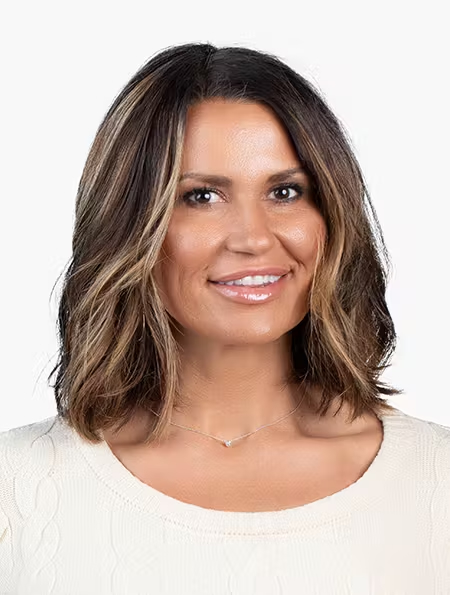
VP of Practice Growth at Studio III Marketing
Andrea Watkins is the Vice President of Practice Growth at Studio 3, where she coaches plastic surgery and aesthetics teams on strengthening patient acquisition workflows and optimizing lead management systems to drive measurable growth. She has partnered with more than 100 practices nationwide—helping them capture and analyze lead and conversion data, streamline consultations and booking, and align staff training with business objectives.
Andrea’s approach centers on turning data into action: equipping practices to improve patient intake, increase conversion rates, maximize marketing resources, and optimize the patient journey. Known for her directive yet approachable, non-salesy style, she empowers practice leaders and teams to enhance efficiency, boost profitability, and deliver an elevated patient experience in today’s competitive market.