The Hidden Cost of Bad Industry Partnerships


In the aesthetics industry, vendor partnerships can amplify your growth—or quietly drain your time, budget, and brand. Andrea Watkins sits down with marketing strategist Eva Sheie, conversion expert Heather Hughes Hardy, and Asia Pacific Aesthetics’ surgical director Keri Choy to discuss what truly makes a partnership worth it.
Keri shares how Dr. Shim Ching’s million-strong Instagram following attracts patients from around the world, and why genuine, human support from vendors matters more than flashy promises. The group breaks down how lean, well-integrated tech systems speed up lead flow and response time, while bloated or misaligned platforms bog down teams and frustrate patients.
They also explore the softer red flags—like templated marketing, exclusivity clauses, or “partner” campaigns that don’t actually fit your audience.
The best partnerships protect your brand, align with your patient experience, and make life easier for both your team and your patients. Everything else is noise disguised as opportunity.
GUESTS
Keri Choy
Director of Surgical Services, Asia Pacific Aesthetics
Keri Choy leads surgical services at Asia Pacific Aesthetics in Honolulu, helping one of the busiest destination practices serve patients from the mainland US, Canada, Australia, Guam, Japan and beyond. A former surgical consultant, she’s all about patient-first systems, fast human support (not chatbots), and partner tools that lighten the team’s load and play nice with legacy EMRs.
Email Keri directly at keri@drshimching.com
Learn more about Dr. Shim Ching Asia Pacific Aesthetics
Follow Dr. Shim Ching on Instagram @shimchingmd
Follow Asia Pacific Aesthetics on Instagram @asiapacificaesthetics
Eva Sheie
Founder & CEO of The Axis
With two decades of healthcare marketing experience, Eva Sheie is a startup veteran, content strategist, and podcast producer. As founder of The Axis, she helps people navigate complex medical decisions through insightful podcasts.
Learn more about The Axis
Follow @axispodcasts on Instagram
Follow The Axis and connect with Eva on LinkedIn
Heather Hughes Hardy
Aesthetics Sales Specialist
Heather’s passion for making aesthetic practices run smoothly has led her to find ways to improve efficiency, simplify things, and build great relationships within the wellness world. As she's grown in her career, she's developed a unique mix of business and management skills, along with a deep understanding of how things work in the aesthetics industry.
Follow Heather on Instagram @heatherhugheshardy or connect with Heather on LinkedIn
SHE DID WHAT?
Got a wild customer service story or a sticky patient situation to share? If your tale makes it into our "She did what?" segment, we'll send a thank you gift you'll actually love. Promise, no cheap swag here. Send us a message or voicemail at practicelandpodcast.com.
SUBSCRIBE
Are you one of us? Subscribe for new episode notifications and more at practicelandpodcast.com.
HOSTS
Blake Lucas, Senior Director of Customer Experience at PatientFi
Blake oversees a dedicated team responsible for managing patient and provider inquiries, troubleshooting technical issues, and handling any unexpected challenges that come their way. With a strong focus on delivering exceptional service, he ensures that both patients and providers receive the support they need for a seamless experience.
Learn more about PatientFi
Andrea Watkins, VP of Practice Growth at Studio III Marketing
Andrea Watkins, Vice President of Practice Growth at Studio 3, coaches plastic surgery and aesthetics teams on patient acquisition, lead management, and practice efficiency to drive measurable growth. Formerly COO of a multi-million-dollar practice that nearly tripled revenue under her leadership, she now partners with over 100 practices nationwide—helping them capture and analyze data, streamline consultations and booking, and align staff training with business goals. With a directive yet approachable, non-salesy style, Andrea turns data into action, empowering practices to boost conversions, maximize marketing, and elevate the patient experience in a competitive market.
Learn more about Studio III Marketing and LeadLoop CRM for plastic surgery practices and medical spas.
Co-hosts: Andrea Watkins & Blake Lucas
Producer: Eva Sheie @ The Axis
Assistant Producers: Mary Ellen Clarkson & Hannah Burkhart
Engineering: Cameron Laird
Theme music: Full Time Job, Mindme
Cover Art: Dan Childs
Practiceland is a production of The Axis: theaxis.io
Andrea (00:04):
Well, hi there. I am Andrea Watkins. And if you're listening to this while juggling three patient calls, checking in a couple patients, taking a payment, selling skincare, and trying to catch your doctor in between procedures, you might be working in an aesthetic practice.
Blake (00:18):
And I'm Blake Lucas, and this is Practiceland. This is not your doctor's podcast.
Andrea (00:27):
Welcome back to Practiceland. This is Andrea Watkins where we talk about how to tame the chaos and get shit done in an aesthetics practice. I'm so excited about today's episode. We're going to really focus today in on partnership marketing and just partnerships in general and when they can be a really great benefit to our practice and kind of the things to consider when it helps and some things that we really need to watch out for. So we're going to really talk about the relationships where practice teams up with a vendor, a lender, a representative, an agency, a consultant, or another business. So today we're going to explore how to evaluate the partnership opportunities that we all get presented with day in and day out, and then talk about how to make sure we're maintaining our brand identity inside of these collaborations, what to look out for when offers come packaged with marketing support, exclusivity and all kinds of things. So today I'm very excited. We have Eva on board with us. We've got Heather and we also have Keri Choy. So ladies, if you want to just do a really quick introduction of who you're and why you're here.
Eva (01:39):
I'm Eva Sheie. I am a content marketing and conversion obsessed podcaster, and I live in Austin, Texas, along with Heather. Why don't you go, Heather?
Heather (01:47):
Yeah, my name is Heather and I work with Eva at The Axis, kind of helping with podcast production. And then I also do some independent consulting working with different businesses in the health, wellness and beauty industry.
Andrea (02:00):
Love it. And Ms. Keri?
Keri (02:02):
Hi. Well, I should say aloha. So I'm here from Honolulu, Hawaii. I'm a director of surgical services. Started as a surgical consultant many moons ago. I'm here to represent inside the practice and what all it takes and the experience that we have to share with you.
Andrea (02:20):
I love that. And thank you so much again everyone, for being here. And Keri, you're new to the pod, so I'm really, really privileged. We're very grateful that you've given us some of your time because I know how busy you are inside the practice. It's really incredible how you all are on an island in the Pacific Ocean and you are truly one of the busiest plastic surgery practices across the nation in the United States. So we really appreciate you being here with us and sharing your expertise.
Keri (02:53):
Thank you.
Andrea (02:53):
Yeah, absolutely.
Eva (02:54):
Is it a destination, Keri? Do people fly from the mainland to see you?
Keri (02:59):
Sometimes they do, yes. And from other countries, mostly I would say we get a lot of Canadian snowbirds, sometimes Australia, Guam, Japan, west coast. I'm always surprised sometimes when we get an inquiry, sometimes I get one from the middle of the Midwest or even in Florida, so people do find us and look at this as a great destination to relax.
Andrea (03:26):
Well, Dr. Ching has a huge following on social media on Instagram alone. He's got over a million followers. They have a lot of engagement and do a lot of really great education and of course testimonials and all that kind of stuff, but they have a great social presence, which obviously helps when you're attracting people that are not specifically local to where your practice is today. I think I kind of want to start out with why we're even talking about this because something that I think we can all relate with is when you're in a practice and you're in a leadership role, you get phone calls daily from people soliciting, wanting to give you the next best thing. And we have this bright, new shiny object that's going to change your world and it's going to generate revenue and grow your patient base and your world is going to be turned upside down by how great we are. Does anybody relate to that?
Eva (04:19):
I get a lot of the Eva, should I do this email? So those things that look good, they get funneled to me to assess. And I'm old and I've been around a long time, and so I've gotten pretty good at this. Yeah, this actually looks good. Or no, why would you forward this to me? Are you crazy?
Andrea (04:39):
So I think because we've all been in that situation and we have received those solicitations over and over and now I get the same questions all the time, Eva, have you heard about this? Do you really think this is a good deal? Do these people have a good reputation or bad reputation and an aesthetics? I think it's really great that we talk about this from all of our different perspectives and just share the experience and really dig into what to watch out for, what to get excited about, and then also what to be weary about. So first part of this, I'd really just, let's lay down the line as far as what is a partnership or partnership marketing and why would practices consider this? So Eva, let's start with you. So when we say partnership marketing for example, what's it look like in a modern practice?
Eva (05:34):
I think at the most basic definition, it's a vendor that you work with already who's offering you either reimbursement to do something to market your practice, but it would also be mutually beneficial. So it would help them in some way kind of buy these implants and you get some free neurotoxin, a really basic, very old example's been around, offer's been around forever, right? But then there's other more complicated ones that might require a little more thought to be put into questioning of the opportunity.
Keri (06:14):
What do you guys think regarding the partnership and aligning with the right practice? I think that a lot of times things come super quickly to us and the world is changing so fast, everyone's trying to figure out things. So I think with technology and AI and all the ways that people are trying to get their foot in the door, it's a competitive, everything about it's competitive. Our practice is competitive, that industry is competitive, and to find the right partner is going to be key to stand out in the right ways.
Andrea (06:53):
And also from that inside the practice type part, basically. Let's back up just a minute. I want to go to Heather and ask from Eva's standpoint, that's kind of like from the marketing strategy standpoint, then let's move kind of into the sales and systems and then from the frontline we're the ones that are communicating with the patients. So from Heather, from your perspective, when a practice kind of feels stretched out and we're just not able to get to anything, how do you think a partnership marketing could kind of feel like relief for you?
Heather (07:31):
Yeah, I think with the right partner, when you feel like you are aligned with that partner that's coming in and offering to market with you, it's like, okay, thank goodness I have someone that's going to help do some of this lift. I don't have to come up with everything myself. There's already proven systems. They are somebody that works at scale potentially with a lot of other practices. So they have data behind what has worked for their specific product with the audience that you're already working with. And so when you're feeling aligned, it can absolutely feel like, thank goodness I don't have to sit here and come up with the new special or come up with the exact materials that I'm going to send out. I can tweak it and make it fit, be very aligned with my brand, but I can kind of lean on this partner to help it land quicker. Just like Keri was saying, it's a lot faster when you can partner with someone that has some of that data behind it to propel you forward.
Andrea (08:25):
Absolutely. And then Keri, you, I assume maybe you could share with us something that if you have partnered with someone in the past, what kind of pressures might you feel or whatever being inside of the practice, whether it's time, whether it's having the technology or having the people and manpower and resources, what pressures are you feeling internally that makes you think, oh, I could really pull on this help. I could really use somebody?
Keri (08:52):
Oh, there's just so many pressures actually because we live, as I mentioned, we live in a really fast paced world. People's attention spans are really short too. So a biggest part of the challenge is that we have people seeking out procedures and everything is coming through a sales pipeline and a funnel, and we need to get back to them quickly and efficiently. And if we don't have organized ways to do that or if we don't have more elevated ideas of how to execute that process, people can get buried in the process. So speed, the ever-changing technology, those things, there's always opportunities to leverage that. So having, as Eva mentioned, she said she got really used to sifting through the offers to figure out what might be a real good fit, what might be the right tool to utilize. Because I think the real name of the game in trying to stay relevant with our patients and stay connected is to keep up with the tools that are out there and try to figure out what's the right one for the practice.
(09:58):
They might not all be, they might pitch it to you like, oh, this is the best thing, this is the new gadget. It's like an infomercial commercial back in the day. But the reality is if what they have to offer doesn't fit in well, then the staff isn't going to embrace it. It's not going to resonate with your patients in the correct way. So very specifically, I would say anything that helps us to stay timely, communicating with patients is a key thing. Getting our messaging in front of them and being able to figure out how to pace that to stay in pace with what the patient wants and what they need because not every patient is at the same place at the same time. So I think that's the dance we do with trying to keep up with everybody and everything.
Eva (10:49):
It's moving really fast, but I have to also remind everybody that the core software in every practice is really old and it does not change really fast. So you have all these tools and technologies that are coming out quickly that are trying to bolt on or integrate with really old software that isn't being updated. And
Keri (11:12):
That's a strong point.
Andrea (11:15):
Keri, we were just talking about that last week of how if your EMR is your EMR, right? And people are like, I can just kind of manage my new potential patients through the pathways or through this or through that. It's like you really do need to have a technology that bolts on to be able to capture, manage and track and sad pitch or selfless pitch for lead loop. But that's what I used in practice and what I use with a ton of my clients through Studio three, and that helps us to capture and be able to manage them in real time and communicate really simply with them. But that technology piece of the integrations with the EMRs is like it's impossible because they won't talk back to anybody. The EMRs won't. Eva obviously, I think, I mean, I don't know. We're all pretty about the same as far as average because we're all about 29. So we've been in the industry for 20 years and we started when we were nine. Perfect.
Eva (12:12):
Exactly.
Andrea (12:12):
Just doing the math here. Love it. What would you say are some healthy characteristics that you have seen and been through Eva in some of those partnerships that's actually strengthening a brand as opposed to maybe not delivering on the promises?
Eva (12:29):
Can we start with some not so good examples? I wish I didn't have more of those.
Andrea (12:35):
Yes. Let's start at the bottom and then let's go up from there. So what are some really awful things that you have seen happen with these so-called partnerships and marketing partnerships?
Eva (12:49):
Well, the one that came to mind today that was really very eyeopening that I really want to share with everybody is, and it's going to sound like it's out of left field, but the government in the country of Turkey reimburses doctors for advertising to patients in the United States. Did you guys know that?
Keri (13:12):
No.I did not know that.
Andrea (13:15):
Because they're trying to get the tourism, get the people over to Turkey.
Eva (13:18):
They are, so they're reimbursing those doctors for spending money on United States advertising, but they can only use certain things. So if you see all the doctors on TikTok, it's because they were approved by the government to whoever the vendor is. And so there's another
Andrea (13:36):
That kind of makes sense. Yeah.
Eva (13:38):
Now you're like, I could see that. Oh, now I see it. This is why this is happening. It's because Turkey is funneling a whole bunch of money to them to spur this economic activity in Turkey, which isn't necessarily, and I know there aren't good doctors in Turkey, but there's bad ones too, and we don't have the resources and the tools to assess the good versus the bad in another country that we don't speak the language in. So there's one really huge weird example, and there are companies in the United States benefiting from this who are advertising for people to go to Turkey. So this is just my quiet warning. If you see that that's what's happening,
Keri (14:17):
Oh, that's good juice. Thanks for the juice.
Eva (14:20):
That's what I'm known for.
Keri (14:22):
I'm filing that.
Eva (14:22):
I know all the things.
Andrea (14:24):
I'll share one. So when I was in the practice for a long time and we had outsourced social media for a short time, the brand identity just wasn't there. I don't think it was a bad intentional experience or someone was trying to get us to say, Hey, do this and we'll give you that, or anything like that. But for us personally, we're in Denver, we're in the Rocky Mountains and we've got a social media company who's not internal doing marketing for us and posting pictures of scuba diving and snorkeling in the ocean and doing these things, and I was like, whoa, wait, what?
Eva (15:06):
Earmuffs and cocoa, what are you doing?
Andrea (15:08):
Yeah, exactly. Get somebody on skis maybe with their bikini top on, but no, what's happening here? So for us, I think that was just not a good partnership because again, it didn't strengthen our brand and who we are because we were very outdoorsy focused and I mean even our website was like that and everything, but for us personally, that wasn't a good partnership.
Keri (15:33):
I don't have anything super specific, but it's more along the lines of maybe not being creative or not being engaged. So we do have companies that come to us that maybe sometimes solicit or want us to push their product or push something, and when it's not well thought out, if they don't know us or don't take the time to know us, then it just comes across as we're just putting their logo out there all the time. And that then just looks tacky. It's like a car with a bunch of bumper stickers all over it. That's not what we want our practice to look like. So I think that's just one of the things that as far as what works well on the flip side of that is when a good partnership will take the time to know, you will take the time to know whether or not you have an inside social media team or marketing talent who they can coordinate efforts with because then they're tapping into the sweet spot and that synergy and keeping your identity strong versus it just looking totally disconnected.
Heather (16:35):
Yeah, I think I can definitely identify with that specific thing. These companies wanting to come and one of their value adds that they have is that they have social creative that you can put out on your platform to take off some of that lift, but then you get the creative and just like you're saying, it does not identify with your brand and you feel like you become the walking poster board for all of these things that you have in your office, and there is value there. We definitely want to show the services that we're offering and we want to show that we have good rapport and that it's well thought out that we definitely identify with these companies that we are offering their product to you, but when it's the same post that they're giving to you that they're giving to every other plastic surgery office or med spa down the street, then we're all posting the same picture. And what is that really doing for you?
Eva (17:29):
Not much.
Andrea (17:30):
When you were talking earlier as well about the different vendors, there was a implant manufacturer that, this was years ago when some of the manufacturers started doing this very specific thing with social and they're like, oh, we've got all these social posts that you can use and things like that, and I had the exact same thought that you did. Heather was like, I love the effort and the initiative, but there's no way I'm putting any of these on our social because it takes the authenticity away, which is what social media is for. It's so that people can understand your authentic brand and your practice, and when you just plaster up like, oh, we use X, Y, and Z implant, and here's a girl that looks like she's had implants, and that's just a utilization of the real estate that you have in your socials. So yeah,
Heather (18:24):
What's worse too is then you get into, what happened for me is that a company sent a lot of merch, they sent a lot of social posts that they wanted going up, and none of it went out because it just did not identify. We had the honest conversation of this is not our brand values, this is not our identity. And the rep got offended instead of it being a collaborative conversation, it was like we were being rude because we didn't like what they had to offer, and that's never your intention, but the hope is that you would be able to have a conversation about, this is my patient population, this is what our brand is, this is what we really want, this is what we want to showcase. And you would hope that that company, if they really cared about the partnership and they really cared about having something that truly is a value add, that they would go through that with you. And I don't want to get into exactly what the product was because it would be very clear which company it was, but it was just very tacky and it was just stuff that you would never put out that they wanted to really target the pain point that a patient might experience by showcasing that over and over and over, and it just did not land
Eva (19:36):
Not to jump the gun on how do you assess a marketing partnership, but it occurs to me that the question you would ask yourself first is, does this help me build trust with my audience? And if it does, then you can probably work with whatever they're giving you and adapt it in a way that doesn't fix your brand or meet your brand guidelines.
Andrea (19:57):
Yeah. So what do you think, Keri, for example, what are some of the core values of your practice at Asia Pacific Aesthetics with Dr. Shim Ching in Honolulu? So from your perspective, sitting in the seat, you're in the practice, if someone approached you, just following up with what Eva was saying, what would some of those things be that you would be looking for?
Keri (20:21):
I mean, the real simple truth is we have to know ourselves. We have to know our patients, our customers, and that whoever is trying to partner with us must take the time to do the same. Because the minute you're not in alignment of really knowing who you are, what you represent and your engagement style, that's when things feel hodgepodge. Mismatched not coordinated, not strategized. For us, when a patient comes through the door, the number one thing is really getting to know them, getting to understand them. Even on that very first phone call, it's taking the time to understand what motivated them and then figuring out what the current need is. So if we're really true to being committed to a strong relationship with the person, then everything else just falls into place. So emotionally connecting in a really authentic way, you can't cheat that. So when things don't feel right, if it's not strategized correctly, it doesn't resonate.
(21:33):
We want our patients to see something. All the stuff that we do that we spend time, Dr. Ching, Dr. Long, and the whole social media team, all of our partners take time to get to know who our patient is, to try to support them through whatever it is that they need. If you come into our rooms, you're going to feel like you're my sister, you're going to feel like you're my auntie, you're going to feel like you're my mom. You're going to feel like whatever. We want to bring people in to an experience that they feel cared for, and that theme has to trickle into everything. So if that theme trickles into everything, that's where that synergy happens.
Andrea (22:14):
How do you decide if you even do to feature one partner as your preferred partner? Because with, for example, patient fine with financing, there's pretty much four main financial lenders in aesthetics, and then for implants there's about four main implant vendors, and then for this and this and this, there's several different vendors serving the same practices, serving the same businesses. But when you're in the practice, look at each specific partnership offering and figure out who's offering is better, whose partnership is better, how do I, especially with this kind of exclusivity thing or being a featured partner. I mean, I kind of want to start with you Keri, because you're in the practice every day and you have to figure out who's going to help you reach your goals internally. What are the different types of things that you're evaluating when people want to be your preferred partner, so to speak?
Keri (23:24):
Well, number one is, okay, so the product has to be up to par, and when the product is up to par, then the service has to be there. So critical. I am very fortunate to have a really strong person with patient fi, and that person is known by first name basis.
Andrea (23:45):
What's his first name? Can he get a call out? What's his name?
Keri (23:49):
Tyler.
Andrea (23:49):
Tyler what up?
Keri (23:51):
Tyler.
Andrea (23:52):
Round applause Tyler.
Keri (23:53):
So the difference is that he will reach out and he'll ask us, what is it? How can I help you? Here's where you're at, what do you need? Also, when I'm in a pinch, if I have a patient who has a complex situation, maybe they moved or something financially needs to get cleared up and there's a glitch in the approval process, I know that I can lean on him and it's not just a chat bot. So the pain point for people to even get into an application process is first of all, they feel really uncomfortable. Number one, it's not a comfortable topic. Everybody, the word money and financing can be really scary to people, but to put that human element and reassurance back in and say, Hey, I got a guy. You don't just have a chat bot. I got a guy.
Andrea (24:47):
Well, that's like an extension of you and an extension of your team, which in that partnership, especially if you're going to have a preferred partner in any realm, you would want to know that you can trust and lean on that person to be an extension of the service that you take so much pride in with your team of providing for the patients.
Keri (25:06):
That definitely helps 'em to stand out. And so we never want to just pigeonhole our patients and we actually want them to be part of that process to figure out what might be the best fit, best options for them, but then when they get reassured, Hey, I want you to start here or start with this company because I know that if based on what your situation is, I can make a quick phone call, get things figured out. Yeah, that's very valuable.
Andrea (25:39):
Absolutely. What do you think, Heather, having come, you were in a really, really busy practice as well, and you had several different partners. If there was ever one that was like, Hey, only use us and I'll do this, or did you have certain partners that you knew you could lean on to help be an extension of your team? How'd you get that figured out?
Heather (26:02):
Yeah, I feel like I was very lucky in the practice that I was at that they were very careful not to enter into exclusive types of partnerships because the thought that I'm having as I'm listening to us all have this conversation is how transactional this feels. Sometimes these partners when they come in, they forget about the people, they forget about the aspect of this person has an entire lived experience and you're coming in trying to have some transactional partnership to capture that attention, to get the audience to do all of these different things. And I think the best practices are those that keep the patient first and they really make sure that they are not just doing something for the ad spend for the dollars that they're going to be reimbursed with. They're taking into account that this person has come for a specific reason and we serve them at X level of care.
(27:03):
And I love Keri too that you said that one of your favorite things about your preferred partner and yours was specifically financing that you were talking about, but it was that you had a guy, right? And how cool is it that in something that is so transactional, it's literally about the exchange of money that you have a partner that you feel like they actually, they took that next step that they actually care and that they can be a true extension of you and your practice, and it's not that chat bot or where you're having to send your other patients with other platforms.
Keri (27:37):
It's so refreshing to be in healthy strong relationships with a good partner who's also keeping up with technology and they look to that feedback. So if we find something, I feel like it's my duty to report back, like the wins and the losses when it comes to experience with whatever it is because only then you can refine things and get better. And so a good partnership also takes feedback and looks into it and investigates it and gets back to you and takes accountability and is active. So I think that's also a huge thing is how dynamic is the relationship because it's one thing to just have great service, but it's another thing to actively listen to what the client base is or what our customers are saying.
Andrea (28:29):
I love that. I feel like we could end the episode and just like no one else needs to say, that is absolutely so true.
Keri (28:37):
The hustlers and the people and the practices that are super fast paced, they all have, I think that healthy mindset of wanting to constantly look at the data, look at the experience, reflect retune, re recollaborate, and keep on growing things for everybody because there's always huge growth potential. Even not too, I mean, we watch enough news, it's everywhere, but the economy, blah, right? The state of the nation. There's just so much negativity out there and we live in a world that's filled with so much fear and high cortisol levels that when we can really focus on all the good things that make a relationship stronger, and we work on that with ourselves, with our patients, with our partnerships, truly there's so much more synergy that happens and so much more discovery that happens, and then that's where you can create together a better product, even if I'm not actually in a different company, but because we're working together in the same industry, we learn from each other.
Andrea (29:46):
100%. I totally agree. Eva, anything to add to that?
Eva (29:52):
So if rule number one is does this help me build trust with patients? Then the second rule is are these products truly the same? So when you're comparing things, if they are truly the same, then you have to ask yourself, who is the rep and what kind of support am I getting from these people or this company? Sometimes the products are not the same, and that makes it easy. You just go with whichever product is better. Sometimes the rep is so amazing that you get fooled into thinking a product is better. You have to ask a lot of questions and it still might be having a great rep who's been around forever and is a terrific resource and helps you work around. I think this is a unicorn person. I just don't think this is very realistic, but you have to really compare honestly what you're looking at.
Andrea (30:44):
One last question on that whole being a featured partner or having exclusivity or anything like that, I want to know this came up with a client and we talked through this and they brought up some good things I never would've thought of. So I want you ladies to put your thinking caps on. What are the risks when if you offer exclusivity or someone is your featured partner or something like that, what kind of risks are you exposing yourself to when that type of messaging or the campaign it is just outsourced and it's this one size fits all type of format that's coming from this person that you've now basically given your birthrights for your first child to or whatever, what do you think people should be thinking of?
Keri (31:35):
I think it looks lazy, honestly, because now we're not customizing, we're not actually having different offerings. If it's an exclusivity, now we have to create a message that supports the reason behind it being exclusive. But the reality is in a lot of everything, competition is what breeds more advancement and improvements. And so when you take that away, I really just think it mean lazy is just the one word I have is because it hurts the business too. I don't see how another company, I mean at that point, it's just all about trying to hoard contracts and try to secure as many contracts as you can. But I feel like it runs the risk of not being able to be as reflective or dynamic because then you're taking away this competition element.
Andrea (32:29):
And competition is, to your point, it's what drives our ability to evolve really. And I am kind of a firm, I believe in abundance. I'm not a scarcity mindset person, and I think that the universe is abundantly fruitful, and if we truly believe that what we are doing is good and that we are giving it our best effort and we're constantly evolving and trying our very best, I shouldn't need to lock anybody down. That's how I feel about non-competes for employment, all of that. If you're doing all the right things, you shouldn't have to lock anybody into anything. They should choose to stay kind of marriage, but whatever. That's just kind of a tradition, but it's very much like every day you have to make the choice to stay, whether it's in, but if you have this contract that's locked you into something, to me it just kind of makes you think that do those people not believe in themselves enough to think that they can earn the business back every single day?
Heather (33:31):
What we've hinted at here too is something that I don't think we've blatantly said, which is that exclusivity often comes with that agreement for a period of time. And so when you're signing that contract, it's not just you are my exclusive partner until I find what's best next. I'm locked into that, and then I have to continue defending that choice even though we do live in this evolving day and age where something better could literally come out tomorrow the day after you've signed and now you're stuck in a 1, 2, 3 year contract.
Andrea (34:03):
That's a really good point. And if the company you're exclusive with, they've got all these exclusivity contracts, what is actually motivating them to evolve and to better their technology and to better their offerings? Also, if they've already got everybody locked in, okay, cool, we're just going to coast for the next however many years because we know that these people are locked into legally to us.
Heather (34:28):
Exactly. And the tricky part is you don't think maybe your mind isn't even going too exclusive, but anything that you're signing a contract for is technically exclusive because are you going to double pay for a different service if you decide that this service is no longer something? That's wonderful. So making sure that you're really vetting every single partnership that you're going into that you're signing some type of length of term with, even if they say, sure, you can use something else, but just so you know you're stuck with us paying recurrently for at least one year.
Eva (35:01):
You know where my mind went was we sign long agreements for marketing, and a lot of the marketing companies will say, you're our only one in, I'll just use Austin cuz I live in Austin, we're only going to take one client in Austin. And I never realized why that troubled me so much until what you guys were just saying, because you're among other things, you're not becoming an expert in that market if you only have one. And the more you know about a market, the better you can position all of them. And that was always my abundance mindset about it was like, I can actually help both of you better if I can do both. Not I'm only going to do this one because I can't help the other one because I'm only helping you. It just never made sense to me.
Andrea (35:51):
That's a really good point because more data and more experience and one specific market's going to give you more tools to be able to perform better. So for takeaways, let's give our listeners some very specific questions that they need to be asking themselves. So their approached for a partnership of whether it includes marketing or not, but some sort of partnership. What questions bulleted, we're just going to say, these are the questions you really need to make sure that you're asking before they say yes and before they implement this strategy or these tools that are coming from a partner or a vendor outside of their practice, who wants to start? We can round table.
Eva (36:38):
Does this help build trust with patients? Are these two or however many things truly the same or does one have an advantage on the product side, whatever it is. And then is this rep dependent? If this rep leaves, will I be okay and will somebody take over seamlessly or is the experience that I'm having entirely dependent on the amazingness of this person? Because then you're putting yourself at risk if it's the advantage is contained in the rep and not in the relationship with the company.
Andrea (37:15):
And the backup that that rep has. So the rep could be incredible, and if they have an incredible team behind them as well, then you can sleep a little bit more easy knowing that it's not just dependent on that person.
Eva (37:28):
Exactly.
Andrea (37:29):
Yeah. Keri, what do you think? What are a couple of questions that you'd be asking yourself immediately?
Keri (37:34):
Is it solving for something that we don't already have and what are they doing that's differentiating? How is this going to leverage us or give us an advantage? How is partnering with them going to support our current needs and whatever they're presenting to us of how they're integrating or how they're aligning with us? Does it sound like they're going to take the time to know us? Will their messaging sound like us? And if so, then that really makes or break whether or not the whole team, all the staff can get behind something.
Eva (38:08):
Before we let Heather give hers, I got to ask one more question, which is we have never actually mentioned the doctor in this entire conversation or the doctors. And so I think we're just sort of generally assuming the doctors have delegated all this decision-making to us and we're in charge.
Andrea (38:27):
Isn't that pretty much what happens when we're in these roles?
Keri (38:32):
Quite the opposite.
Andrea (38:37):
Well, a lot of times though too, it'll come through the doctor. The doctor will be like, oh, I went to a meeting and I saw this person at their booth and it's the next best thing in the world. And so I gave them I this now figure it out. Yeah, I bought this. Now figure it out. Or I gave them your cell phone number. They're going to keep calling you incessantly until you pick up and talk to them. We've all been there too. I'm sure I have at least. Maybe that's just me. But yes, the doctors obviously play a role and I mean they're going to be the final say, but as leaders of our teams, it's really up to us to take the time to do the vetting, I believe, because if we've earned the trust of the doctor because we're running his practice, then we've got to take that extra time to say, is this really going to be a viable option for us?
Heather (39:23):
Yeah, I mean I think it's certainly a collaborative effort. And you're absolutely right. There's a lot of trust that's already formed there, and so it's one way or the other, whether the doctor has found it and they're asking you to vet it or you're the person that once they get past the front desk, you've got the list of 50 and you need to narrow it down to two to five to present. But I think the things, the two things that I really did pretty religiously anytime we were considering something new to bring on was getting references. So understanding who else is using this and asking, are they willing to talk with me? Can I sit down and talk with someone that's actually using your product and ask them real questions and not just one person. I want a few different people that I can talk with and see really what the experience has been like A, and then B, if they're using timing pressure. So if they're like, I need you to sign up in the next two hours, the next two days, the next two weeks, if they're putting time,
Eva (40:21):
It's the last time of the month, I need you to sign right now.
Andrea (40:23):
Right, exactly. I, I've got to meet my sales quota. So sign here now.
Heather (40:28):
Exactly. You need time to be like, sure, let's go through the contract together or you can meet with your legal team and then let's bring everybody together and make sure that they're super willing to let you go through the process that you need to go through before you're bringing something on. That pressure piece is always a huge red flag. That's like a, okay, you don't want me to see the fine print?
Keri (40:49):
Exactly.
Eva (40:50):
Good call. Good one.
Andrea (40:51):
Lastly, what do you think teams should keep in mind about how these decisions will ultimately play out into the patient conversations in the daily flow? So if we're partnering with someone and they're saying, I'll either help your team or I'm going to give all these tools, how do we best communicate with our teams to get specific feedback about their interactions? I know you had just said make sure that the team's on board, but how do you think that they ultimately are going to play out with the patient interactions beyond just getting the buy-in of the people that are doing it?
Heather (41:26):
I think the implementation, at least when I was specifically in practice, that's where I felt it the most, but was always the biggest blocker and the big telltale sign. So if you're bringing somebody in and they're like, okay, we're going to do this together. We're going to go through each stepwise process. I'm here to train your team, and they come in and they actually hold your hand through it. It's like, okay, good. But so often they want to take up a leader's time and spend hours and hours and hours, and then they say, okay, go do it. And you've gone through the demo with this person and then they expect you to turn around and teach it to your entire team, and they're going to have questions that you haven't thought of because they're on the front lines. You need someone that's going to walk with every single person across the patient journey to make sure that every time a patient interacts with that thing, we have the answers to whatever hiccup or bump might come along in the road.
Keri (42:16):
I agree a thousand percent. I think for us, being on an island makes it harder sometimes for people to have onsite implementation, but whenever that's possible, it's always the most effective to have people here in office, in practice, meeting our people and helping. I mean, zoom calls are great and fantastic too, but I do think at least one visit, especially if you're securing a new partnership, is essential to creating the strong connection with the teams.
Andrea (42:50):
Did you hear that Jamie Butterworth? Andrea needs a flight to Honolulu asap, preferably when the water is warm and the sun is sunning. Thank you.
Eva (43:01):
And I need to go too Jamie.
Andrea (43:03):
Yes, and bring Eva and Heather too. We're all there. I totally agree, and I feel very, very fortunate that we have Zoom, and I think there are some people that you can connect with over Zoom, and there are some people that don't connect so well over Zoom. But given the opportunity, of course, FaceTime and being able to help with that implementation would be really, really incredible for the people. But I loved what you said, Heather, just as far as anytime that someone is trying to partner with you in the practice, what's really important is that they're not partnering with you as the leader. They're partnering with your practice and your team and that they're there to support you through full implementation. Anything else you guys want to add about partnerships, choosing partners who to be weary of things to make sure that you're considering as we're getting approached every single day with these people that want to partner with our practices?
Eva (44:07):
My camera overheated, so just so you know, we'll replace me with a picture.
Andrea (44:13):
Eva, you're so hot.
Eva (44:15):
For the last two minutes, we talked so so much that my camera said you're done.
Andrea (44:20):
That's awesome. All right. Well, just to wrap things up, partnerships, they can be really, really powerful. I think we've all experienced that in the practice when we're aligned with our partners. It's really critical because we've all been in the roles in the practice, and we cannot be everything to everyone all the time and be everywhere. So having these partners is really, really important. So thank you all so very much for being here. Heather and Keri, Heather, go, if you don't mind going first, let us know how can we find you online? Where can we find you in the digital universe?
Heather (44:55):
Absolutely. Yeah. I'm on Instagram at Heather Hughes Hardy. And same name on LinkedIn. Heather Hughes Hardy.
Andrea (45:01):
Perfect. And what about you, Keri? How can we find you and your amazing practice?
Keri (45:06):
Well, you can find me directly at keri@drshimching.com, the practice. We have Instagram and Dr. Shim Ching has a website and he also features with Dr. Long. So we have two great plastic surgeons here in Honolulu. So Asia Pacific Aesthetics is a new brand that we just renamed, but we were previously Asia Pacific Plastic Surgery still kind of are, but we're expanding our scope, our service, so Asia Pacific Aesthetics.
Andrea (45:36):
Fantastic.
Keri (45:37):
And Shim Ching, md. Thank you.
Andrea (45:38):
Shim Ching. Absolutely. Well, thank you Keri. Thank you, Eva. Thank you, Heather and everyone. We look forward to seeing you back here or having you hear us next time on Practiceland, not Your Doctor's podcast.
Blake (45:55):
Got a wild customer service story or a sticky patient situation? Send us a message or voicemail. If your tale makes it into our "She did what?" segment, we'll send a thank you gift you'll actually love. Promise, no cheap swag here.
Andrea (46:07):
Are you one of us? Subscribe for new episode notifications and more at practicelandpodcast.com. New episodes drop weekly on YouTube and everywhere you can listen to the podcasts.

Aesthetics Sales Specialist
Heather’s passion for making aesthetic practices run smoothly has led her to find ways to improve efficiency, simplify things, and build great relationships within the wellness world. As she's grown in her career, she's developed a unique mix of business and management skills, along with a deep understanding of how things work in the aesthetics industry.
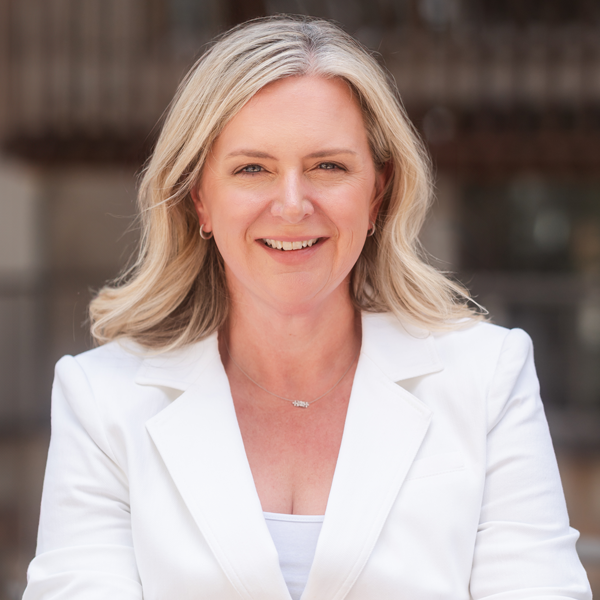
Founder & Podcast Producer at The Axis
Eva Sheie is a startup veteran, content strategist, podcast producer, and professional musician. She is the founder of The Axis, a podcast production agency devoted to meeting the needs of women confronting life-changing medical decisions.
Previously as the Director of Practice Development at RealSelf, she built and scaled the RealSelf University customer education program, and hosted the RealSelf University Podcast. Today she is the host of Meet the Doctor, co-host of Less of You, and the executive producer of numerous titles on behalf of clients, including Practiceland.
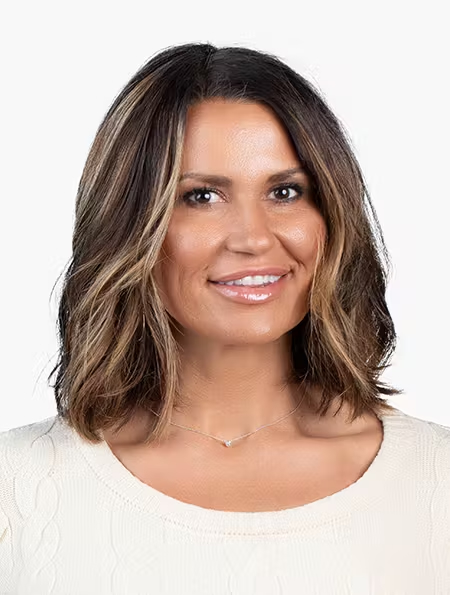
VP of Practice Growth at Studio III Marketing
Andrea Watkins is the Vice President of Practice Growth at Studio 3, where she coaches plastic surgery and aesthetics teams on strengthening patient acquisition workflows and optimizing lead management systems to drive measurable growth. She has partnered with more than 100 practices nationwide—helping them capture and analyze lead and conversion data, streamline consultations and booking, and align staff training with business objectives.
Andrea’s approach centers on turning data into action: equipping practices to improve patient intake, increase conversion rates, maximize marketing resources, and optimize the patient journey. Known for her directive yet approachable, non-salesy style, she empowers practice leaders and teams to enhance efficiency, boost profitability, and deliver an elevated patient experience in today’s competitive market.
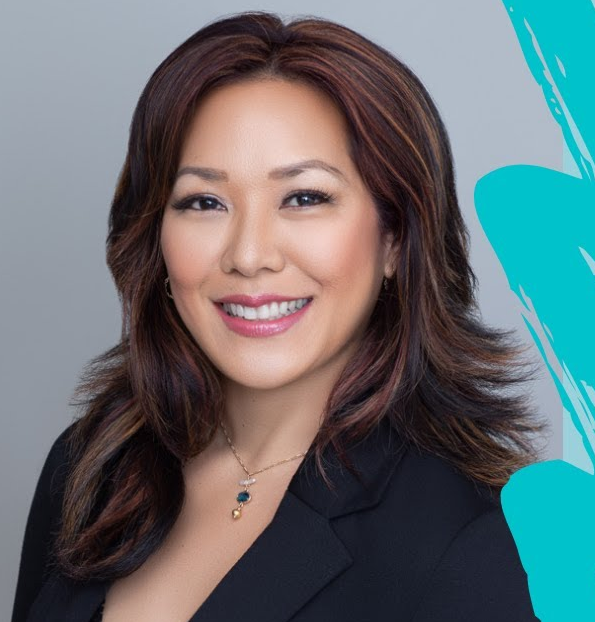
Director of Surgical Services, Asia Pacific Aesthetics
Keri Choy leads surgical services at Asia Pacific Aesthetics in Honolulu, helping one of the busiest destination practices serve patients from the mainland US, Canada, Australia, Guam, Japan and beyond. A former surgical consultant, she’s all about patient-first systems, fast human support (not chatbots), and partner tools that lighten the team’s load and play nice with legacy EMRs.