She Got Laid Off, Then Landed 7 Job Offers in 1 Month…


…and then chose the wrong one.
Alli’s with the wild story of losing her job to layoffs, picking herself up off the ground quickly, then crushing her job search so hard she had the unique challenge of choosing between seven offers.
Discovering she did not fit in the organization she chose, she then landed a new role that aligned perfectly with what matters most: culture fit and shared commitment to the patient journey.
For anyone who has lost their job or is feeling stuck, here’s how to find a practice that is truly right for you.
Learn more about Camp Plastic Surgery and Aesthetics
GUEST
Allison Petriella
Patient Care Coordinator at Steven Camp, MD Plastic Surgery and Aesthetics
Alli is a results-driven sales professional and consultant with 12+ years of experience helping healthcare and aesthetics practices grow through technology, strategy, and process optimization. She specializes in guiding practices to overcome operational challenges and maximize growth by leveraging cutting-edge software solutions and streamlining patient care. Alli recently moved back inside of the practice as a Patient Care Coordinator to partner with patients on their surgical journey and restructure the patient intake process.
Connect with Alli on LinkedIn
SHE DID WHAT?
Got a wild customer service story or a sticky patient situation to share? If your tale makes it into our "She did what?" segment, we'll send a thank you gift you'll actually love. Promise, no cheap swag here. Send us a message or voicemail at practicelandpodcast.com.
SUBSCRIBE
Are you one of us? Subscribe for new episode notifications and more at practicelandpodcast.com.
HOSTS
Blake Lucas, Senior Director of Customer Experience at PatientFi
Blake oversees a dedicated team responsible for managing patient and provider inquiries, troubleshooting technical issues, and handling any unexpected challenges that come their way. With a strong focus on delivering exceptional service, he ensures that both patients and providers receive the support they need for a seamless experience.
Learn more about PatientFi
Andrea Watkins, VP of Practice Growth at Studio III Marketing
Andrea Watkins, Vice President of Practice Growth at Studio 3, coaches plastic surgery and aesthetics teams on patient acquisition, lead management, and practice efficiency to drive measurable growth. Formerly COO of a multi-million-dollar practice that nearly tripled revenue under her leadership, she now partners with over 100 practices nationwide—helping them capture and analyze data, streamline consultations and booking, and align staff training with business goals. With a directive yet approachable, non-salesy style, Andrea turns data into action, empowering practices to boost conversions, maximize marketing, and elevate the patient experience in a competitive market.
Learn more about Studio III Marketing and LeadLoop CRM for plastic surgery practices and medical spas.
Co-hosts: Andrea Watkins & Blake Lucas
Producer: Eva Sheie @ The Axis
Assistant Producers: Mary Ellen Clarkson & Hannah Burkhart
Engineering: Cameron Laird
Theme music: Full Time Job, MindmeCover Art: Dan Childs
Practiceland is a production of The Axis: theaxis.io
Andrea (00:04):
Well, hi there. I am Andrea Watkins. And if you're listening to this, while juggling three patient calls, checking in a couple patients, taking a payment, selling skincare, and trying to catch your doctor in between procedures, you might be working in an aesthetic practice.
Blake (00:18):
And I'm Blake Lucas, and this is Practiceland. This is not your doctor's podcast.
Andrea (00:25):
Welcome back to Practiceland where we help everyone in the practice tame the chaos, get shit done, and really make the best of our days in aesthetic and plastic surgery practices. So this is Andrea Watkins and I am back here with Alli Petriella. And we are going to talk about something that affects every single one of our listeners, which is the job search. And Alli, after you were laid off, you took some very specific steps that got you seven different job offers within the very first month that you were job searching. So we're going to need to know how all of that happened. But first, why don't you tell us a little bit about where you are now and how it's going in your current role?
Alli (01:08):
Yeah, I am back in the practice, so I am at Dr. Steven Cam'ps office in Fort Worth, Texas, and I'm his patient care coordinator here. We've got two surgeons here, so we've got Dr. Camp and Dr. David Nguyen. And it is a phenomenal practice with a really great team and I'm really loving being back here.
Andrea (01:27):
Well, congratulations. That's incredible.
Alli (01:29):
Yay.
Andrea (01:29):
After being out of the practice, for those of you, maybe this is your first episode listening with Alli, but she's one of our resident expert patient care coordinators in the plastic surgery space. And she was in the practice for about five years, grew significantly, learned everything there was to know about the administrative sales and service side of the plastic surgery practice, then left the practice, went into more kind of a techie environment, worked in some EMRs with some CRMs, and then now you're back in the practice. So how do you feel, how is it back being with patients and working one-on-one daily with the doctor and stuff?
Alli (02:06):
Yeah, I feel a lot of alignment. I think that I was really exploring the whole aesthetic space and seeing what was out there and I feel a lot of peace being back in the practice. I gained a lot of knowledge out there that has been super fun to bring back inside of the practice. I wish I knew all this stuff my first go round in the practice. It's made things a lot smoother, but I'm just super happy to be here, be patient facing. And being with a close knit in person team again has been really amazing.
Andrea (02:35):
I love it. And the broader our perspective and the more experiences we have in life, we can really figure out what is it that trips my trigger or you like to make fun of me? I'm like, that's not my bailiwick.
Alli (02:48):
Your favorite thing to say.
Andrea (02:49):
But this is yours. And having been on a team with you inside the practice for so many years and see your relationships with your team and your patients and just the impact that you can make in people's lives, I couldn't be happier that you're like that person that's not just supporting the surgeons and supporting the team inside the practice, but you're really that shepherd that gets to guide patients through their process. I think that everybody, all of us, we have superpowers and for you that's really a place where you shine is connecting authentically with patients, but also understanding that this is a very business oriented, service oriented role. You've got to be very detail oriented, process oriented, and those are definitely all things that you check all the boxes on. So I'm super, super excited for you to be back and Dr. Camp has such a great reputation, not just in Dallas but across the nation. So it's great that you landed in a really, really great role. So I'm very happy for you.
Alli (03:51):
Thank you.
Andrea (03:52):
Yeah, for sure. So what I want to know about is what was that process and how did you, I mean seven offers and aesthetics within a month. I think any of us that have ever been looking for a job or unemployed, whether you're unemployed or employed and you're looking for new work, it's like how do you get that many offers in such a short amount of time? So where did you start your process to figure out what you really wanted to do next?
Alli (04:20):
Yeah, number one, I started just in my heart deciding where I wanted to be and what was most important to me and the next step because I really didn't know I had thought the position that I was in was something really long-term. And so when that was removed I thought, okay, where do I want to be? What exactly do I want to be doing? And just sat alone with myself to figure out what was most important and what was most fulfilling to me in my career. And then my second step from there was really dipping into my network and the people that I've met in this world and leaning on my mentors for advice, a lot of the advice that they gave me was advice I didn't want to hear. It was Andrea telling me over and over again to be patient. And when you're in a position like that, you're like patience.
(05:09):
What is that? I do not have it. I mean, I was scared and I didn't want to make a rash decision on just fear and I didn't want to make something too quick. I wanted it to be something that was going to offer longevity because I really wanted to find my forever home anesthetics. And so leaning on everybody that's known me and has really seen my work ethic and really seen my skillset to guide me. And like I said over and over again, people were like, be patient. This is as, you need to be as selective with these offers as they're being with their candidates. And that was something that it was a challenged perspective for me because I was so used to being like, oh, I'm auditioning for all of these things, but they're also auditioning for you when you're in that position and you know what you can offer.
Andrea (06:01):
But let's not deny the fact that at the end of the day, we all have bills to pay and we've got to feed ourselves. And whether it's student loans or vehicle payments or rent or dog food or vet bills or any of those things, let's not blow smoke up anybody's skirt. We still got to make money and none of us are, well, not many of us, definitely not me, not independently wealthy, did not win the lottery. And so that's scary when you're considering, yes, I want to take my time and you need to balance that between I need to take my time and find what that right fit is going to be, but also mama's got to make some money or I'm going to be living in a box under a bridge.
Alli (06:38):
Yes. And when you're considering a lot of options, I would say my biggest challenge in the whole process was timing because not every offer is going to get sent to you on the same day and it's right when you want it, two days after you started looking and you're like, okay, what do I need to do? Offers started coming in that didn't quite feel like the right fit yet an offer came in that felt like the right fit that I jumped on. And you have to be patient. You have to wait for everything and know that the right thing is coming and if something doesn't feel quite right yet, don't jump on it just to try to fit it into the box if it's not the right thing.
Andrea (07:17):
Yeah. Well I think something too that you run into when you're job searching is you feel deadlines because you got bills to pay and you have a life that you need to support, but then they also put deadlines on, I'm providing you this offer, we need an answer by Friday, and it's Wednesday afternoon and you're like, bro, what's happening? So why don't you first walk us through, we'll get to the offers and all of the things, but first walk us through. So you opened up your network, you talked to your people, you said, Hey, I'm in the market, I'm kind of freaked out. I need to find employment, I want to stay in aesthetics, blah, blah, blah. So we did that. What else did you do and what are some pointers that you used for cover letters and for resumes, because those are the first impression, what were some of the things you did to update those resources to send to potential employers?
Alli (08:11):
Everything was extremely tailored. So I started with my research and asking people in my network, who in the area do they recommend I look towards in terms of plastic surgeons? I knew that after doing some internal thought that I did want to get back in the practice. And so I actually had somebody that lives in the heart of Fort Worth and works and is married to a plastic surgeon here that I had met at a conference a few years back and she was a wonderful resource because she's very well connected in this community and she pointed me here. I actually had four people in my network point me towards Dr. Camp's office. So it was a lot of word of mouth of people who genuinely know these people that work inside these four walls. And then also just thorough research and thorough research in terms of not only looking at how these surgeons approach their practice, but also looking at reviews. So almost doing a vetting process as if you were a patient. I love that. Stalking their Instagram, what is the patient experience is are people in general saying that the staff is wonderful? That's the type of team I would like to be a part of.
(09:18):
And just seeing once you've been in the practice and once you've seen other practices, you get to know who you are as a servant inside of the practice and what's important to you in the patient journey. And practices are different. So different practices host the patient journey differently, and so I need to look for practices that align with the type of experience that I have and the type of experience that I want to provide to patients.
Andrea (09:42):
So reviews, just to recap that real quick, just looking at reviews, looking at their social media, looking at what the kind of energy and vibe is around what you can just take in as an observer almost as a patient.
Alli (09:55):
Yes. Okay, perfect. And talking with people as well that know these practices. And then from there I had made a list. I'm like, these are the practices that I would like to be a part of. And it was a small list to start and it remained the small list. Once you've worked in the practice, you do get pretty picky. And then of that list, to answer the second part of your question with cover letters and resumes, I created all my resources tailored to that practice. So I didn not go on Indeed or LinkedIn and see who was hiring. I decided this is a practice I want to be a part of and based on their mission and values, how do I align with that and let me just propose my work to them and see if there is an opening. So I had made little portfolio, so I made a portfolio for each of the few offices on my list and it had a tailored cover letter based on their mission and values and my experience and how I could bring value to them. A little summary page of the impact that I've had in the aesthetic space and then my resume, some references that were relevant to the position that I was going to be working in with them as well as letters of recommendation. And I just put that together in a cute little booklet and I went for a drive and I
Andrea (11:14):
You're like getting ready for your senior project to present in front of. That's actually a pretty good representation though. I mean, it shows the commitment and the seriousness and truly that helps you not only provide your value, but it's not even about what you're saying in the packet, it's about the fact that it's tailored and that you took the time and effort and really thought about it in order before you just sent somebody an email or inbox them in Indeed or in LinkedIn and just said, I'll Inly or whatever that button is. So yeah, go ahead. Sorry. That's really, really good.
Alli (11:52):
And the hardest part was actually stepping into the practice. I brought all my little booklets, I got in sitting in my truck and I was about to go in and I was like, I don't, think I can do this. I walked into hundreds of aesthetic practices before and I just couldn't get the courage to actually step in, but I finally was like, if this is meant for me, if this is the place I'm supposed to be, it'll feel right when I walk in. They'll be welcoming. And there are practices that you go into that don't feel like that. We've talked about that before, how you need to create that warm welcome no matter who's walking in the door. But then there were practices that I walked right into and they had to open arms and I'm like, this is the type of place I'd want to be.
(12:33):
Dr. Camp's office was number one on my list going into this actually, I really had this vision. I'm like, that is the practice I want to be a part of. And they were not looking at the time, but due to the multiple connections that I had to the practice, actually a mentor sent my information over to them. I had two people had reached out directly to the practice to tell them about me and that I was kind of looking for my next role. And at the time they actually were not looking either, so I was a little discouraged. That was my number one, but I still put those feelers out there with the options that felt like the right fit. I think that that went a long way because even if some of those practices I didn't end up in, I still got to meet them and start to build the network in the DFW area with the aesthetic practices around here.
Andrea (13:28):
Perfect. So you go through this process, you take all the extra time you had because you weren't working and you actually really dug into who are these practices? How does my moral compass and my ethics and my work product and all that associate and align with what they're doing, put together these package you hand deliver them, get the vibe for the office, and then you wait and hope for some phone calls? Do you follow up? What's that interview process look like? Tell me about, okay, you've done it, you got out of your truck and you walked in there with your cute little packet and you introduced yourself and you did this, and that could be intimidating also. Let's also be real. I'm always going to be real. If someone, you go into an office and there's a team there and you're like, hi, I'd like to be your new team member. How did that go? Because some people I would assume would be like, is this girl trying to walk in here and take my job? Did you get any of that pushback and did you have any of those experiences that would be people can get territorial, so did you experience any of that?
Alli (14:35):
Definitely one of the top practices that I was hoping to be a part of in that my previous surgeon had actually recommended as well. I was very excited about this practice and I walked in and introduced myself and I told her exactly what I was doing and exactly what my experience was in the front desk gal was just like, okay, great, I'll give it to the patient care coordinator. I was like, I dunno if that's the person.
Andrea (14:59):
Is there a practice manager or COO maybe?
Alli (15:04):
Yeah, it's just okay and something when you're in that space of looking for the right fit, I think you've got to be resilient and you've got to be able to let things just roll off your shoulder. I didn't want to push back in that because it just didn't feel like that was something they were looking for. It didn't feel warm, and so I was just like, okay, yeah, no worries. If it's meant for the right hands, it'll get in the right hands and if not, I'll end up in the right place.
Andrea (15:29):
Jesus, take the wheel.
Alli (15:31):
I know literally it's a lot of that. And so make sure you have patience if you're going into this process.
Andrea (15:37):
Yeah, absolutely.
Alli (15:39):
Yeah. The places that I did end up interviewing with were places that I had reached out to, and then later on, a mutual connection had also reached out about me and the interview process. I would say with those ones, when you're coming from a warm referral, it's relatively quick compared to if you are just completely throwing shots in the dark on LinkedIn posts or Indeed posts, which if you're looking at any job site, probably LinkedIn is probably going to have more in alignment with the patient care coordinator role.
Andrea (16:14):
Yeah, then like monster.com or whatever people use nowadays. For sure.
Alli (16:19):
Yes.
Andrea (16:20):
What I'm hearing very much as a continued theme through everything you're sharing is when you are in the practice and whether you're at the front desk, you're a patient liaison, even clinically or an ma, you're a nurse, you're a patient care coordinator, any of these roles, what's really, really, really valuable is creating a network of people and getting outside of just your practice and having connections, making friendships, having personal, that whole professional networking was really, really important for you.
Alli (16:57):
Yeah, absolutely. It starts the relationship for you. Obviously it doesn't get you a job, so I had just people from multiple avenues reaching out to these people from the other side of things, and then that got the conversation started and then I've got to do the rest of it myself that I don't know if the conversation even wouldn't have started if it wasn't for the wonderful people that I've met in my network here.
Andrea (17:21):
So let's get back into your process. A couple practices, I don't know, tell us, then they do reach out, they don't reach out. What's your follow-up process? And then once you get into that interview process, I think it would be really, really helpful for people to understand what are potential future employers looking for? What were those questions that people were asking you and that you could really lean into?
Alli (17:43):
Yeah, so I didn't get a ton of return without me following up from those. I wish I could say I did, but I did have to follow up. One of them was one that a warm connection had sent my info to the practice that I had kind of vetted out and wanted to be a part of. And similar to the camps at the time, they weren't looking. And then a few weeks later, they actually had posted a job on LinkedIn and I was like, oh my gosh, this is the practice I wanted to be a part of. So I had applied to that one and I got a call back nearly immediately and the gal had said, why does your name look so familiar? I feel like I've met you before.
Andrea (18:24):
Because I'm stalking you.
Alli (18:27):
And I was like, you know what? I think a mutual connection of mine had reached out of ours, had reached out just a few weeks ago and had maybe mentioned my name and I mentioned that person's name, and we connected over that. And then as soon as we mentioned that mutual connection, she was like, oh my gosh, you're probably going to be perfect for this. Then she already told me so much about you and your experience. So my experience and my reputation had kind of entered that room luckily before I did.
Andrea (18:57):
Why didn't she call you? Why did she wait for you to call her then? That's my question.
Alli (19:01):
Yeah. They weren't looking for something when I first had put feelers out. And then, yeah, it was a very expedited interview process. We hopped on Zoom and she was able to recruit a few other team members for that Zoom unexpectedly. And then I think by the next day we had decided this is a good fit and had gotten on offer letter within, I want to say it was within 48 hours we had made the decision and I went ahead and accepted that it felt like the right fit. And just to answer the other part of your question on what people are looking for in this interview process, I think that employers are looking, I think it's easy for us to go into interviews thinking that they're looking for skillset over something like your personality or your cultural fit or whatever it is. It's definitely the opposite. I have a lot of experience and I have a lot of value that I can bring to the skills that are needed for this role, but that's not, I think what practices were interested in.
(20:10):
There were a few practices that I think more so were interested in the experience that I could offer, and to me that didn't feel like the right fit. I wanted the practice that was asking about how I see my work, what motivates me, and telling me what motivates them. I'm always asking, why are you a plastic surgeon? What's your mission as a plastic surgeon? And if we spend more time on those things that feels more genuine and more like the right fit, it feels less transactional action feels a lot more transactional when they're just like, well, what exact system did you use before?
Andrea (20:41):
How many times do you follow up? What do you say on the phone call and things? Yeah, clearly. Well, especially with someone as a distinguished resume as yours, I think it would kind of be a no brainer. They obviously know what you're doing when they can see the results that you've gotten. And so then if they're asking you very specific questions around what you do, I'd almost be like, are you paying me for, am I your consultant now? What's happening?
Alli (21:12):
Me and Andrea had that conversation on the phone. A few interviews did feel like that, where they were just like, this is our pain point. What do you recommend? And I was like, what do I recommend or what would I do in the scenario? Recommend costs some money. What are you really asking here.
Andrea (21:29):
They're like, we're interviewing you so that we can refine our intake and consultation process. So come on in, Alli.
Alli (21:38):
Yeah, that's not it.
Andrea (21:39):
Right. Interesting. Okay. So for you it was more some of the practices did ask very fundamental questions about how you go about your day and your work. What were some of those things when it comes to, just so we can let the listeners know, when you're thinking about your job and when you're thinking about what's really valuable to your employer or potential future employer, what were some of those things that they really wanted to make sure you understood about being a PCC? Not just surgery, but the whole process of what it's like to be a patient care coordinator?
Alli (22:14):
I think more than anything, they're looking for someone who understands everything that is offered here. So all of our procedures and how to talk about financing and the options and the fact that I had the relationship and understanding of things like patient PHI was huge for these practices. Like, oh my gosh, she already knows in how to talk about these things. And one thing too is when you're experienced with it, tips to give these patients on how to get the highest approval, and the camp's office has another PCC here that's wonderful and extremely tenured, and she is amazing at that. She's always telling them, oh, make sure you apply with whoever you or your husband has the highest credit score, and when it asks for your income, make sure you're putting it combined. So giving all the tips that she's learned over the years from PatientFi has really helped the communication with the patients. They're like, oh, if people know PatientFi and they feel more comfortable about it. So just having somebody that has used it before is really attractive to an employer, I think.
Andrea (23:18):
Yeah, I love that. And leaning into the resources so that you can learn so that you do feel comfortable and PatientFi and any partner that you're using, lean into those in whatever role you're in now so that you become an expert. It's not just, oh yeah, we do this. Yep, we got that. It's like, let me lean in. Especially this financial aspect, I mean, that is a tool that will help you convert and schedule more patients down, no doubt about it. So what else would they ask about? What other hard skills and soft skills, of course, are they looking and asking you about throughout that interview process?
Alli (23:56):
They would ask a lot about what type and what caliber of a PCC I've been in the past, and there are so many different types of PCCs depending on the office you're going through. We came from a practice where the PCC had a really heavy role and carried a lot of responsibilities. There are also a lot of practices out there where the PCC maybe gets five minutes of face time with patients. That's not the experience that I, and
Andrea (24:25):
More of an appointment setter in a scheduler as opposed to a consultant that really walks the patient through the whole process.
Alli (24:32):
So they want to know which one were you, which one are you looking to be? Because sometimes there are PCCs that have done the full process like we have, and then they don't want to do that anymore, and they want to be that kind of five minute face time type of person and they want to do more high volume. So are you really high quantity or a really high quality type of PCC? Everybody has their different flavor that feels good for them. And so we're always asking things like that and they're asking, what do you do when the schedule's empty? What kind of tips and tricks do you have? What do you have in your back pocket when things are slow lead volume, slow? What do you do? How do you dip back into old opportunities? Just a lot of questions like that.
Andrea (25:15):
Put a pin in all of those things. We need a good thing this is recorded, we need to literally do because we haven't done episodes on those things. And I just got a text from a client while I was working out this morning that said, February is actually not looking that great. What are we going to do? And I was like, here's the recommendations X, Y, and Z. And so we should really do episodes on those very specific things.
Alli (25:41):
And how do you get a new surgeon schedule full?
Andrea (25:44):
That's another great one. There's so many associate docs that are coming into these bigger practices now as well. So there's so many things that we can talk about that are so valuable. So back to it. What is the weirdest, so those are a lot of the pretty typical they would want to feel you out type things that they're going to ask during the interview process. What was the question that threw you off guard the most or the weirdest question that you got in your interview process?
Alli (26:15):
I think when you're interviewing directly with plastic surgeons, you do get weird questions. They're just really creative, artsy human beings. And so I did get weird questions all the time, but I loved those. I think those are the ones that show your personality. Dr Camp asked me what my spirit animal was, and that was not one that I was prepared for, and I don't think I even had an answer. And then he proceeded to tell me what mine should be.
Andrea (26:45):
What did he tell you?
Alli (26:46):
What is it? Like a honey badger? Yeah, because you take no shit and you just keep pushing on and grinding. And I'm like, okay. Yeah. So I think maybe that's a question you should prepare for. I think that that's probably been asked before, but I was just not ready. I was like, I don't know. I'm going to have to think on that one. And I still haven't really decided or committed to honey badger. So
Andrea (27:12):
Put it in a chat, GPT, tell chat GPT, what your main goals in life are and kind of who you are as a human chat GPT will give you an answer.
Alli (27:21):
Yeah, that
Andrea (27:22):
That's too funny. Okay, so we're in this interview process, they're asking us questions, some of them very pertinent, some of them a little off the wall, which is expected, totally funny. And like you said, I like it because it kind of gives you an idea of what their personality is. What do you think was the very most important thing that people were looking for while you were going through this interview process?
Alli (27:45):
I think that you care and why you're there. Dr. Camp especially spent a lot of time on why I was there, why this role practice, and asked those questions in several different ways and someone will really get to the core of you and we'll break you down if you're not being authentic when that exact approach. And I think that's how we knew that we were the right fit because he did keep asking those questions and I kept having answers why specifically this role? And he asked why after being in the practice, leaving the practice, are you looking to go back into a patient facing role and my mission? And I had just thought about it so much that it articulated very well. So make sure that just kind of goes back to that first step. Make sure you know what and why you're applying for things because those questions will hit you the wrong way once you get in front of someone in an interview if you're not authentically in the place that you're meant to be. And then also just long-term, he was always asking long-term, what's the goal? What about this role feels rewarding to you? So just be prepared to know exactly why is not just what skills you have and how great you are at them.
Andrea (29:09):
For certain roles. Don't for certain roles, I don't know that those questions will be asked, but for such a consultative role where really your success is based upon your ability to connect with other humans, you've got to really understand your why. And I don't think that there is a wrong why, right? What's really, really important is that you don't pretend someone else. Why is your why? Because some people do certain jobs just so they can make as much bankroll as they possibly can. And there's definitely people in this role that I've seen that are like that they know because of their comp structure. The more people that they schedule for surgery, the more money they're going to make and the more procedures that they put on top of that, the more money they're going to make. And if that's their why, they need to just be really authentic about that because there are definitely practices out there that are like that. And if that's not your why, you need to be authentic and honest about that as well and figure out what success looks like and where it comes from, and then find the practice where you're going to be aligned. And that goes back to a lot of what you've been saying to your point about really figuring out your own values and your why so that you can find alignment with whatever practice and environment that's going to be.
(30:26):
So moving on, and I just kind of teased it, I guess we have these interviews, we answer these hard questions, we're also then asking questions of this future employer. What were some of the questions that you dove into when that time comes up for the end of the interview? Well, what questions do you have for me now? Because everyone who's interviewing you is always going to ask those questions. What were your important questions that you posed?
Alli (30:54):
Yeah, I was probably the most annoying applicant anyone's ever met because I think anyone listening to this podcast
Andrea (31:00):
That's totally on brand.
Alli (31:00):
Yeah. I mean, anyone listening to this podcast, your career gal, and you have experience, so you already know what you need to ask, you know what you want. And so those questions come so easily and they don't stop coming because you're so in this world that you're like, oh, I got, oh, that brings another question. Oh, that brings another one. So I asked 101 questions every single time that I got to meet with them every single round of the interview process. And I was really lucky with the chances to get a huge panel. There were multiple team members here, and both Sarah, Sarah's, Dr. Camp's wife, they've been on the pod before and Dr. Camp were present. And I did get to ask them everything top to bottom, and I was asking different team members different things. I was asking the front office roles, what is your role in the patient journey? And I asked, I think the most important thing I asked was, can you guys walk me through and everyone speak to their area in the patient journey? And they did a wonderful job. The front office gal spoke first and she said, phone rings. This is how the conversation goes. That hands it over to the nurses that hands it to the PCCs. And everyone went through who they are, what their role is and how they serve the patient in their journey.
(32:17):
And Dr. Camp was adding in and Sarah was adding in. So I really got to see the well-rounded process. And then at each step of the process, I had questions, how many leads are you getting? How many touch points are you doing with those leads on the front end? What exactly does your consultation day look like? How do you prepare patients for the consultation day? How long are you in the room? And then naturally, that would bring up little pain points. And so I would ask questions on what are your biggest pain points? What have you done thus far to try to overcome them? What would be the biggest area for me to make improvement when I come into the practice? Where are we struggling the most? Where are we doing extremely well? So all of those questions are so, so important to ask. And without asking those questions, I think that you can get into a position that you weren't necessarily aligned with. So I think being very, very thorough in asking everything is helpful.
Andrea (33:14):
Right? Most definitely. Especially as you said, if we're here, we're listening to this podcast, it's very likely that we're a career gal. We've got experience. We're really, really interested in making the very most out of our career choice. And so I just want to note something that I didn't hear you say in your questions that you asked was, how long do I need to work here until I can get paid time off? And how many days off a year do I get? Also important things that you'll definitely need to negotiate if we get to the point of a job offer. However, I would not recommend that those are the questions you have for a potential new employer on your first interview.
Alli (33:58):
Make it about the patients, make it about the staff, make it about the culture and the doc.
Andrea (34:03):
And how you can improve and how you can add to that. Yeah,
Alli (34:06):
How you bring value, not how they bring value to you. And understanding, again, I think I said this earlier, but understanding why that doctor has chosen this life for themselves is huge. Because you'll know from that answer how they're looking to serve patients and how they want to serve their patients is what sets the tone for the rest of the practice. So you're going to know what kind of practice we're running here. We just trying to stay really high volume, which for some people that is the flavor.
Andrea (34:34):
That's great.
Alli (34:34):
Or are we trying to really slow down and have that concierge experience and you'll know based on how the doctor speaks to their vision.
Andrea (34:42):
Perfect. I love that. And again, I am not saying there is a right way to practice or a right way to be or a wrong way to be. What's important is that you authentically know what's important to you and that you find a place and ask the questions so that you can find the employer and the practice and the surgeon that's going to be aligned with a reason that you've chosen this career path. It's just critical that you know what drives you so that you can align yourself and find that place that's going to be in alignment.
Alli (35:12):
Yes, I agree.
Andrea (35:13):
Yes. Find your people in the world. That's really all, not to get philosophical here, but I truly just believe that's what life is about. No one's better than me and I'm not better than anyone else. What's important is I find my people and then we support each other and empower each other so that we can go out there and kick ass. Soap box. I'm going to set you off to the side now. Okay, perfect. So we go through this interview process, they're asking us questions, we're asking them questions. We're figuring out if we're aligned. Then comes the time where you got several of these in the aesthetic space is we're receiving an offer. Sometimes it comes in a day, sometimes it takes a week, sometimes it takes even longer, and you're following up. Tell us about that process after the interview waiting for an offer letter. And then once you receive those, what are the different types of letters, the different types of structures that are out there? Yeah, just kind of give us a sneak peek of that.
Alli (36:08):
Yeah. Everybody does things so differently. I would say for the patient care coordinator role, your compensation specifically is more than likely going to be a mix of either an hourly or a salary and then some sort of incentive based on either hitting goals or just based on the revenue that you produced in a given month or whatever it may be. So bonus structures are different practice to practice. I've seen salary for PCCs, I've seen hourly for PCCs. If it is hourly, you want to be asking the questions on what are the hours, if it's salary, you want to be asking the questions on what their expectations are. So you just have to make sure that whatever it is, it's going to align. If it's something like salary and you're working a ton, you want to be aware of that. So there's just ask the questions.
(37:02):
But more than likely for a PCC, it's going to be a mix for the more front office roles. A lot of this stuff applies to front office roles as well, that might be more heavy on the hourly slash salary and then lower on the incentive, but still likely some sort of mixture offer letters. Usually the offer will come verbally, is what I've more often seen is it'll be a nice phone call. We'd love to have you on the team and going through whatever questions are still outstanding. And then that followed with a written offer. So yeah, they all came in at the same time. In my experience, that was very hard. There was one practice that was to put it lightly, to put it lightly. There was a practice, it was out of state actually, that really was tugging on my heartstrings and felt like the right place to be.
(37:55):
And I had a really, what I felt was a very genuine connection with the practice, and that one was another one that came to me through my network. And what was hardest for me is one of the non-negotiables. When I sat down, really thought about what was important to me. I didn't want to leave the state of Texas. And so at first that role was going to be hybrid, remote, but down the road, I thought maybe for the best interest of the practice, they might need someone in person and I didn't want to let them down the road. So that was something that though it felt like something my heart really wanted, there wasn't alignment with what I originally wanted for myself. So that was tough.
(38:35):
Some of those offers that come in, you just know weren't the right fit. They might be, don't base it off of the highest number because sometimes there might be a higher number, and that still just, I don't feel like I'd perform best in that environment or that didn't really feel like what I really feel like I could contribute best to. So evaluating offers is a very challenging thing. It's a very good problem to have, but it's tough. So yeah, I would say there's a ton of different ways that they could be built, but they all genuinely generally come in the same way.
Andrea (39:12):
Yeah. Okay. That makes sense. It usually is someone wants to give you the good news, of course, verbally. That's how I always do it as well. And then sending out in the offer letter along with that, make sure, I would encourage people to make sure that with the offer letter, that there is some general description of the actual job, the priorities of the role, obviously the compensation, any benefits that are offered, whether it's health, dental, vision 401k, all those types of things as well. Depending on the size of the practice, some are going to have additional benefits like that, some are not. That's always an opportunity for negotiation if they don't have those benefits, maybe negotiating additional salary or something on a monthly basis to kind of supplement that. So just looking at, again, it's always not just the number. Also any paid time off benefits, holidays, all those types of things, that all should be outlined in an actual offer letter because you want to see exactly what the benefits are that you're going to be getting as an employee because you've spent this entire interview process really considering and stressing, of course, what you're going to bring to the table as the employee. And so we just want it all in writing to make sure that everything is very clear.
Alli (40:34):
Yes, and a huge tip as well for any sales related role. So any type of patient care coordinator role or anything where you're selling at all, and there's any commission, sometimes it'll just say you get X amount based on if you hit your goal. It doesn't often outline what the goal is. You've got to ask the questions of what is that goal? What is it based on? What factors are you evaluating when you pick that goal every month? And how often are the people that are currently in this role hitting this goal? How often are they missing this goal? You need to know how realistic it is. I have seen companies with sales roles put out an offer that says, this is what your bonus is going to be. It's kind of like X amount per month if you hit your goal. And then once you get inside, you find out no one's really hitting that goal and it's really challenging to hit, and you don't know what that marker's going to be because it's kind of just randomly chosen. So how are you getting to number and how likely am I to be able to hit it?
Andrea (41:36):
As a PCC, we can't be scared to talk about money. We can't be scared to talk about money with patients. We can't be scared to talk about cold hard cash. And so we also cannot be too timid to make sure that we understand what our compensation plan is and how we're going to earn money for ourselves and our families. Let's just one more question around this is you went through this process, when was this? October, November?
Alli (42:03):
Yes. October.
Andrea (42:04):
October. So you went through this process October, 2025. It's now January 15th, 2026. You had ups, you had downs, you had wild successes, had some things that I'm sure you learned along the way. What would you do differently if you could start all over and you are square one? Day one, I need to go out there in the marketplace and find myself a job.
Alli (42:32):
I was extremely picky, but I almost wish I was a little bit pickier. I had actually joined a practice for a short amount of time that felt like the right fit, and it was a wonderful place. They have great, great surgeons, great great staff, really amazing process and really successful practice. But it was not in alignment with the type of PCC that I wanted to be. So there was a process that worked extremely well for them, and that's how they had a lot of success. But it was not as intimate of a process as I wanted to have. I wanted to be very, I'm used to very, very concierge, very slow hold handing process for patients, and I don't think that I was built to work at the speed and capacity that their PCCs were able to. So I wanted to be in a practice where I could really slow down and really help build a brand and build a brand for a doctor from the ground up.
(43:31):
We've got a new surgeon here at Dr. Camp's office that's doing that. This was the right fit for me. That was a little short amount of time that I was at that practice. I wish that I had asked more questions going into it to understand their process before committing to it, because if I had full understanding of it, I don't think I would've committed to it. So again, just the importance of asking all the questions, making sure you fully understand because the PCC role is so different practice to practice. So make sure A, what's important to you, B, what they're offering to you, and then deciding is that the same thing or would I be better suited somewhere else?
Andrea (44:13):
Any last thoughts or things about your job search in the process and everything that you went through to get to Dr. Steven Camp's office?
Alli (44:24):
I would say just don't stop believing in yourself.
Andrea (44:28):
Isn't there a song about that?
Alli (44:31):
Yes there is. Don't stop believing in the outcome that you want? When I first decided I wanted to work for a practice here, my number one again was Dr. Steven Camp's office, and I envisioned it for myself, and I was total stalker. I was like, I want to work there so bad. And it didn't happen right away, and I took a reroute and then it ended up happening, and it is so fulfilling, and it's all the things that I hoped it would be. So don't think that just because there's some intermittent discouragement and you're getting a few closed doors and a few nos that it's the end of the road. It's definitely not. And there is something out there if you just keep doing the right things over and over again.
Andrea (45:09):
I love that. Thank you so much, Alli. Well, we hope obviously, that this was really, really informative for all of our listeners. Any of us at any point in time could find ourselves looking for a new role. And hopefully you've picked up a lot of really great tips from a true professional, and I have only the utmost confidence that Alli, you're one of the best PCCs in the nation, and so they're just as lucky as you are to be there. They're just as lucky to have you. So I know that you guys are going to do great things, and I'm so excited to see the progress and everything that you guys have in Dr. Camp's office.
Alli (45:45):
Yay. Thank you.
Andrea (45:48):
Perfect. Well, thanks again for listening. Listen up next Tuesday, we'll have more content for everyone who's listening out there about the PCC role, front desk role, talking about marketing, talking about financing and patient fees, and all those types of things that affect us every single day in the practice.
Blake (46:11):
Got a wild customer service story or a sticky patient situation? Send us a message or voicemail. If your tale makes it into our "She did what?" segment, we'll send a thank you gift you'll actually love. Promise no cheap swag here.
Andrea (46:23):
Are you one of us? Subscribe for new episode notifications and more at practicelandpodcast.com. New episodes drop weekly on YouTube and everywhere you can listen to podcasts.

Patient Care Coordinator at Steven Camp, MD Plastic Surgery and Aesthetics
Alli is a results-driven sales professional and consultant with 12+ years of experience helping healthcare and aesthetics practices grow through technology, strategy, and process optimization. She specializes in guiding practices to overcome operational challenges and maximize growth by leveraging cutting-edge software solutions and streamlining patient care. Alli recently moved back inside of the practice as a Patient Care Coordinator to partner with patients on their surgical journey and restructure the patient intake process.
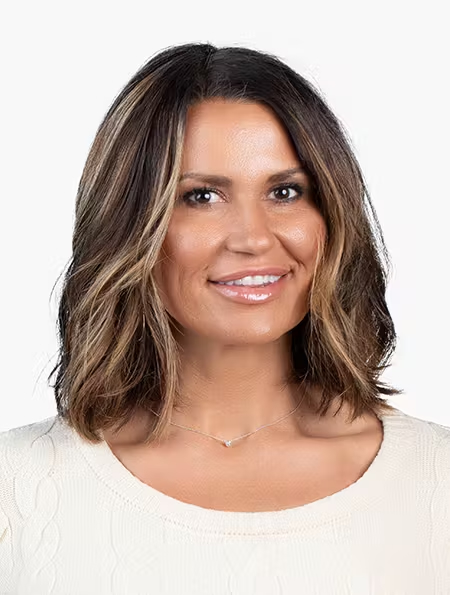
VP of Practice Growth at Studio III Marketing
Andrea Watkins is the Vice President of Practice Growth at Studio 3, where she coaches plastic surgery and aesthetics teams on strengthening patient acquisition workflows and optimizing lead management systems to drive measurable growth. She has partnered with more than 100 practices nationwide—helping them capture and analyze lead and conversion data, streamline consultations and booking, and align staff training with business objectives.
Andrea’s approach centers on turning data into action: equipping practices to improve patient intake, increase conversion rates, maximize marketing resources, and optimize the patient journey. Known for her directive yet approachable, non-salesy style, she empowers practice leaders and teams to enhance efficiency, boost profitability, and deliver an elevated patient experience in today’s competitive market.