How to Talk About Money Without Killing the Vibe


You know that awkward moment in a consult when it’s time to talk money? If you find yourself dreading the “how are you going to pay?” moment, this one’s your playbook for turning it into a positive, confident part of every consult.
PatientFi’s Blake Lucas sits down with Bridgette DeBrino, CEO of Belvara Collective, Sara Amann, patient care coordinator at Zelko Aesthetics, and Eva Sheie, founder of The Axis, for a real-world look at how to make payment conversations feel natural and actually build trust.
Sara shares how reframing “financing” as a “monthly payment plan” helped her quadruple conversions. Bridgette explains how to integrate payment options seamlessly into consults, and Eva shows how language and content can ease fear long before the first appointment.
From AI-driven call reviews to tools like HubSpot for tracking patient leads, the panel breaks down practical, modern strategies for improving patient experience, team confidence, and practice revenue—all while making care feel more accessible.
GUESTS
Sara Amann
Patient Care Coordinator at Zelko Aesthetics
Sara Amann is a patient care coordinator at Zellko Aesthetics with nearly 20 years’ experience in aesthetics and cosmetic surgery. She’s known for mastering the art of presenting monthly payment plans that empower patients, quadrupling practice sales through her approachable consult style and dedication to making procedures accessible for all. Sara’s expertise in team training, technology, and creative patient solutions makes her a sought-after leader in elevating the patient experience.
Connect with Sara on LinkedIn
Learn more about Zelko Aesthetics
Bridgette DeBrino
Chief Executive Officer, Belvara Collective
Bridgette Debrino is a seasoned aesthetics professional with over 15 years of experience spanning clinical care, marketing, and operations. Her career began behind the treatment chair and evolved into leadership roles that shaped the growth of top practices in South Florida. Today, she brings that same passion and expertise to Belvara Collection, where she’s helping independent providers thrive with the support, structure, and freedom they need to build successful, balanced businesses.
Connect with Bridgette on LinkedIn
Follow Belvara Collection on Instagram @belvaracollective
Eva Sheie
Founder & CEO of The Axis
With two decades of healthcare marketing experience, Eva Sheie is a startup veteran, content strategist, and podcast producer. As founder of The Axis, she helps people navigate complex medical decisions through insightful podcasts.
Learn more about The Axis
Follow @axispodcasts on Instagram
Follow The Axis on LinkedIn
Connect with Eva on LinkedIn
SHE DID WHAT?
Got a wild customer service story or a sticky patient situation to share? If your tale makes it into our "She did what?" segment, we'll send a thank you gift you'll actually love. Promise, no cheap swag here. Send us a message or voicemail at practicelandpodcast.com.
SUBSCRIBE
Are you one of us? Subscribe for new episode notifications and more at practicelandpodcast.com.
HOSTS
Blake Lucas, Senior Director of Customer Experience at PatientFi
Blake oversees a dedicated team responsible for managing patient and provider inquiries, troubleshooting technical issues, and handling any unexpected challenges that come their way. With a strong focus on delivering exceptional service, he ensures that both patients and providers receive the support they need for a seamless experience.
Learn more about PatientFi
Andrea Watkins, VP of Practice Growth at Studio III Marketing
Andrea Watkins, Vice President of Practice Growth at Studio 3, coaches plastic surgery and aesthetics teams on patient acquisition, lead management, and practice efficiency to drive measurable growth. Formerly COO of a multi-million-dollar practice that nearly tripled revenue under her leadership, she now partners with over 100 practices nationwide—helping them capture and analyze data, streamline consultations and booking, and align staff training with business goals. With a directive yet approachable, non-salesy style, Andrea turns data into action, empowering practices to boost conversions, maximize marketing, and elevate the patient experience in a competitive market.
Learn more about Studio III Marketing and LeadLoop CRM for plastic surgery practices and medical spas.
Co-hosts: Andrea Watkins & Blake Lucas
Producer: Eva Sheie @ The Axis
Assistant Producers: Mary Ellen Clarkson & Hannah Burkhart
Engineering: Cameron Laird
Theme music: Full Time Job, Mindme
Cover Art: Dan Childs
Practiceland is a production of The Axis: theaxis.io
Andrea (00:04):
Well, hi there. I am Andrea Watkins, and if you're listening to this, while juggling three patient calls, checking in a couple patients, taking a payment, selling skincare, and trying to catch your doctor in between procedures, you might be working in an aesthetic practice.
Blake (00:18):
And I'm Blake Lucas and this is Practiceland. This is not your doctor's podcast. Welcome back to Practiceland. I'm your host, Blake Lucas. If you've been listening, I'm a senior director here at PatientFi for customer experience. Today's episode is all about that exact moment. The one where a patient wants to say yes, but just needs permission to do it. How are you going to pay? Conversation can feel uncomfortable, but when it's handled with confidence and care, it becomes one of the most empowering parts of the patient experience. So today we're walking you through that exact process to weave affordability into the consult process naturally, confidently and successfully. I'm really excited. We've brought together a fantastic panel of guests, so I'd like to jump right in and introduce them. Bridgette Debrino is back. You might remember Bridgette from the August episode where we were talking about moving on without burning bridges. If you haven't listened to that, link is in the notes. So you definitely need go back and listen to her incredible story. She's the chief executive officer at Belvara Collective. With over 15 years of experience in clinical care and marketing and operations, she helps independent providers thrive with the structure, support and freedom they need to build sustainable and profitable practices. Thank you so much, Bridgette, for coming back.
Bridgette (01:39):
Thank you for having me. I'm so excited to be here today.
Blake (01:42):
Awesome. Absolutely. Sara Amann is with us patient care coordinator at Zelko Aesthetics, who's mastered the art of presenting financing as empowerment and is here to share her exact how-to with us all today. Welcome, Sara.
Sara (01:58):
Thank you so much.
Blake (01:59):
Of course. And of course the incomparable Eva Sheie is back, our founder of The Axis, a podcast production and content marketing company helping aesthetics and wellness practices turn conversations into trust building content that drives conversion. Eva, thanks for joining us again.
Eva (02:16):
Thank you for having me.
Blake (02:18):
Of course, anytime. Love to have you here. I'm really excited. So we're just going to dive right into this. Eva. I know you're a bit of a word junkie, is that right?
Eva (02:28):
I am a word junkie, yes. I grew up without a television and so I like words a lot because all I was allowed to do is read books.
Blake (02:35):
Alright, so I know we've been having conversations before about financing and payment plans and some of these words. What do you, tell us a little bit more about that.
Eva (02:45):
That's true. I actually have two practices that I help directly and only because, well, there's two reasons. One is I like staying really close to what's happening in the practice and the other is that both have been people I've worked with closely for a very long time and so it would be weird not to. So that's a really great gift for me. And in one of them, just in the last I would say two weeks, we've been working really hard to change the word we're using from financing to payment plans. And that's because that is a much more pleasant and less scary sounding way to talk about how are you going to pay for this and am curious for all of you if you have been working yourselves through that same process or if you've heard a difference in the way patients are talking to you about how they pay. Sara, you're new to the panel. Why don't you start and tell us what you're hearing.
Sara (03:48):
For sure. So I never use the word financing ever. I always use monthly payment plan. I always have, it's a much softer way to present it so guests never question it. If the question I ever do get it would be are they going to run my credit or what if I don't get approved for it?
Eva (04:13):
Is that what they worry about the most is they're not going to get approved?
Sara (04:16):
Yeah, that'd be the biggest concern is not getting approved. And truthfully, because a lot of guests have had other consultations elsewhere, so they've already applied for other financing where they've gotten declined. It is either that or personal situations where they know that they're not going to get approved.
Eva (04:40):
Are you pretty good now at predicting who is going to get declined and can you actually stop them before they do it?
Sara (04:46):
For sure. So whole consultation process here. I have a call center in Tampa that qualifies my leads. So marketing gets the lead, lead form, goes into HubSpot, call center, calls the lead, walks them through basic information, gets the information that we need and then sets them up for a consultation. So essentially she's selling the consultation, she always pitches financing. I just said that word financing, I just said, I don't use that word. She pitches monthly payment plans and there are cases where she'll say, why don't you just see if you can get approved before you meet with Sara if that's something that you need for sure.
Eva (05:38):
Did you say HubSpot?
Sara (05:40):
I did.
Eva (05:41):
I've never heard anyone do that. Okay, now we got to find out more about this HubSpot thing. How are you using HubSpot?
Sara (05:47):
HubSpot's our CRM. So yeah, we use HubSpot. We live in HubSpot.
Eva (05:54):
It's an unconventional choice because most practices are trying to use something designed for aesthetics. Right.
Sara (06:01):
Yeah.
Eva (06:01):
How long have you been doing that?
Sara (06:04):
My HubSpot here for three years.
Eva (06:08):
Were you part of that process of deciding to use HubSpot?
Sara (06:11):
Yeah.
Eva (06:13):
Okay. So it's a little bit of a side journey, but if you were going to go back again and make that decision again or if you were going to talk to someone else who's considering it, give us the three big bullet points of what you would need to think about if you were going to make an unconventional choice like that.
Sara (06:29):
Sure. So biggest things for me was mass emails, mass texts, how many we can send out each month. We use patient now for everything. We're scheduling RX photo, but our call center lives in HubSpot where that's how they work their leads. Then moving through the pipeline and then marketing keeps an eye on HubSpot as well. So I love HubSpot. I've never had any issues with it prior to this. We used Influx. I liked Influx as well.
Eva (07:07):
Okay, that's really interesting. We might have to have you back to talk about that again some other time. But today we're actually talking about your special secret ways, they're not secret, they're just smart ways of getting people to talk about money. So how long have you been there?
Sara (07:25):
I've been with Zelko Aesthetics for almost five years.
Eva (07:29):
So let's come back to the theme of words because I know from good authority that you see financing as a permission slip. And I have to say early in my adult life I sold shoes because I absolutely was as broke, as broke could be, and I needed a job and I learned so much from selling shoes. I'm so glad I did it. And I had this really cranky boss, they would call him a shoe dog in the shoe industry. Those people who sold shoes for 50 years and whenever someone was trying on shoes and wasn't going to buy and they would say, well, I have to go ask my husband, he would say, alright, you go get your permission slip and we'll see you, we'll see when you get back. He always called it the permission slip. So that's what that makes me think of. Can you tell us more about that, Sara?
Sara (08:29):
I mean financing monthly payment plans, whatever you want to say. It is just part of what I do. So I've never presented a sale and I mean ever without presenting the monthly payment plan, even if it's MedSpa, I always present a monthly payment plan. It takes the pressure immediately off them, it softens everything. And then not having a payment due for a month after a procedure is a huge bonus.
Blake (09:01):
Yeah, I think that's fascinating. Just I hear that so often from different providers or they're able to soften that conversation. It's not this for a lot of dollar conscious patients where if you start to quote that full price, that can be a bit of a sticker shock, but be able to talk to it as a monthly payment plan that's within budget and affordable, how that can quickly soften and make this conversation or their idea of this whole procedure something that they can actually get finally. So I think that's fascinating that you're seeing that too.
Sara (09:33):
Yeah, definitely always with everybody, and again, it's just part of the consultation process. So anybody who, even if they didn't think of payment plans before, if they hear, Hey, we have 24 months no interest, first payments due a month after procedure, the first thing is, oh, well I'll use your money over my money or I'll do this.
Blake (09:56):
I think that's true of even I think sometimes we think that financing is for those that struggle to afford it or don't have the cash on hand to make that big of a purchase. But what I found is that those that have the means would much rather finance. And it's that same concept you just said, which is like, I'd rather use someone else's cash. And I think that's for those that are lucky enough to have that cash on hand, that's their thought process. And they typically don't use their own cash when they make larger purchases, they know that the power of having that liquidity and holding onto their cash. So I think sometimes we hesitate to bring it up to patients who we feel like might have more means because we think, oh, this might be offensive to them in some way, but it's not. They actually want to hear about it and they go, oh, once they hear that, they'll jump right on it because they know I do this with everything. I always finance things and if it's no interest for a certain period, yeah, then I can absolutely do that. And then that conversation just is like, okay, we're done there. Let's talk about everything else.
Bridgette (11:05):
I love that you brought that up, Blake, because that was something that our team certainly struggled with. You'd never want to offend somebody by offering a financing option and it is top of mind because it could come off like you are assuming or judging in some respect. So Sara, I love that you just sit down and immediately from the start, this is just how we review our pricing and it's built in for every single consultation and from the start. So it's not even a question, would you like to, it's here are your options, which one fits for your lifestyle? I think it's a very healthy approach.
Eva (11:39):
For those of you who've coached both staff and providers on this, I think that's all three of you really. What do you think holds them back the most from bringing it up?
Sara (11:50):
Not knowing exactly how to do it. That's really it, and not knowing the ins and outs. So my biggest thing in a clinic, wherever I am is making sure my staff can fluently speak payment plans and they know how to set up a payment plan. They can go into patient, they can go into the portal with the guest in an office and make sure everything's set up properly. I try to do everything I possibly can to make it smooth and easy where they don't have to do anything. So I get the license, make a copy, I do the application for them on Zoom or in my consultation I type, they're with me and then they approve it and that's it.
Bridgette (12:36):
I would agree with that. It's been difficult ensuring that everybody is on the same page with how the financing works. And I think that many providers get nervous that they're going to relay the information incorrectly. So we started to do collective trainings where everybody would have to go through the steps together, they'd watch somebody do it, and then they would physically do it themselves, and then we were talking about it. So we tried to hit all the senses in those trainings because everybody learns differently. And by approaching it with that energy, it really did help the team to become more collective and understanding what they could offer, how they could offer it. And I have to say, PatientFi does a great job of making it very simple. I've worked with so many different payment plans over the years and so many of 'em, even myself, I'm like, I'm sorry, can we do this again? I'd have to call my rep 500 times to make sure that I wasn't forgetting a step or wasn't misunderstanding a step or there was various offerings. I think PatientFi has done a fantastic job of just streamlining it. It's very simple. Again it's user friendly, you log in and it's intuitive where you need to click and how you need to approach it.
Blake (13:51):
That's fantastic feedback. I think our developers are going to be very excited to hear that they love getting that kind of praise because we do spend a good amount of time focusing in on that. But I think what I love about what you just said there too is just this idea of an investment in your people. And Sara, you said kind of the same thing where it's taking the time to train your staff and make sure that they're confident in the program and the product, that they have a full understanding of how this works, and you can give them that confidence to talk about it and remove those scary unknowns. And they have full confidence that they know what this process is going to look like from start to finish.
Eva (14:31):
Sara, what percent of your patients do you think or if you know what percent opt into a payment plan instead of using another method?
Sara (14:40):
About 70.
Eva (14:41):
70.
Blake (14:42):
Wow.
Bridgette (14:42):
Wow.
Eva (14:43):
Is there a moment that you prefer to bring that in? Where does it fit into your process?
Sara (14:50):
Well, it starts on website with PatientFi. We have for higher credit scores, and then we have other options for lower credit scores. But that's where it starts. And then it gets brought up again with call center. And then in my consult, I review the entire process from the second they opened up my front door to their six month, I present pricing, breaking everything down. I say we ask for $500 down to book your surgical date balance can be paid off over 24 months, no interest. First payment starts a month after procedure date. Let me show you how that works. And I get the application. It takes me literally 30 seconds to do.
Eva (15:35):
When the call center is speaking to somebody or when you are speaking to somebody, do you know already if they've applied?
Sara (15:42):
When I am speaking to someone, yes, I know if they've applied. So they always put a note in there. Yeah, in patient now. And even with guests that have a high approval rate, and I didn't use it all, I'll put the note in their chart too of how much they have to use still. So I know it's
Eva (16:01):
How much they can add on?
Sara (16:02):
It's all a system and all being on the same page.
Blake (16:06):
I love that comprehensive approach. I don't know if I've heard that very often from providers that take that kind of time and care to help them through that whole process. And even if you don't get approved, I can still be a part of that process to help you get to where we can say yes, right, I'm not giving up. And then, okay, great. Yeah, sorry, I can't help you. Call me back when you have money type of thing. It's like, no, no, no. Let me take you through then what's next? And there's always an option, which I think is an amazing way of taking care of patients. There's so many times where we just cut the conversation right there. So I think that's very unique.
Sara (16:44):
Yeah, definitely. I mean, we even put reminders or we reached out to 'em, Hey, it's been 30 days, you can reapply because people forget, life happens, time goes on. And sometimes I do get approvals off that after they were declined.
Eva (17:00):
Have you thought about introducing a credit repair department in here?
Sara (17:04):
Of course, I've thought about it. I've partnered with, I've done it. Yeah.
Blake (17:10):
Oh my gosh.
Eva (17:11):
If she could, she would.
Sara (17:12):
And it's a lot of extra work.
Blake (17:16):
Yeah. Oh my gosh. But talk about thinking about outside the box for conversions.
Sara (17:20):
Oh yeah. Oh yeah, totally.
Blake (17:21):
There's so much there that could turn into something amazing. And of course they're going to come back to you.
Sara (17:26):
Yeah.
Blake (17:27):
Now there's this loyalty almost built into it. It's, look how much you've helped me financially. Of course I'm going to go with you to help me physically. It's amazing.
Sara (17:37):
Yeah, definitely. That's the biggest thing is helping them. My job is to help them make this happen, whatever that looks like.
Blake (17:44):
But I think especially in these kind of economic times where people were uncertain and things are kind of all over the place and we're not quite sure what's going to happen next. And so people are a lot more, I think we've talked about it on previous episodes, people are kind of holding onto their cash a little bit tighter right now. And these are some of the things that I think providers should be thinking about as far as how do I continue to see conversions in an environment that's pushing it back against that. It's not just what's happening in my practice, it's the world outside is keeping me from getting some of these conversions.
Bridgette (18:24):
I really love that you said that. And it's interesting because putting people into more of a monthly payment can help them to enjoy these treatments as part of their lifestyle. So we've had a lot of successes, framing it as a monthly membership and really just explaining that this is something that you are going to commit your time and resources to, but it's something that you can look forward to on a regular basis. And you can know that every time you make this payment, you're paying something towards you that makes you happy, that is giving you something that you need and want. And so reframing it as something along those lines. To your point, Blake, it's not so much just, well, I want to splurge or I want to treat myself. No, this is part of life now. We all want to feel our best as we go about our day-to-day life. It's going to help us with our careers, it'll help us with our confidence, it helps us with our happiness. That's important. That's a priority. It's something that should always have been something that we put front and center, and now you're just working it into your lifestyle versus treating it as something that you just get a little treat from every once in a while.
Eva (19:33):
Who among us would not get their hair done on a regular schedule? We don't even think twice about it. Right. Do any of you listen to calls when you're trying to help your teams do better? And this applies to you too, Blake. Do you spend time listening to calls where people are having these conversations?
Bridgette (19:54):
Absolutely.
Blake (19:55):
A hundred percent. I have to. I mean, obviously we're a bit of a call center, so we're constantly coaching and listening into calls. Something we've tried to do is we have quality assurance tools. So we use AI to analyze every phone call conversation, every email, every chat that comes through. And it's measuring things like empathy and a solution driven conversation. And then there are some of the technical things like greeting and saying the required scripts or whatever it may be that are in there. But a big part of that is understanding tone and is this person upset or does our person sound upset or losing their patients and it can give us that. And so we're having tens of thousands of conversations. And so for a leadership team, it's impossible for us to stay on top of all that without this type of technology. And it's something we implemented over the last year that has really been a game changer for us.
(20:54):
Now we can pull these conversations and pinpoint exact moments where, Hey, we lost our patients here and we need to show more empathy or No, you did an amazing job and reinforce that positive behavior to say specifically what you said here, these words, the way that you said them, the way you paused and listened, all these types of things we can actually now call out and be very specific about and then reinforce the positive and try to work on the opportunities. So there's technology that we've implemented there, but absolutely, I think it's critical that you're listening to as many calls as you can and providing that in the moment feedback to staff.
Eva (21:33):
What I love about that is you are listening to the calls as a body of work and not just randomly selecting one that might be atrocious, and then going to that person and trying to manage them over the worst call they ever had, which is the one you happen to randomly select.
Blake (21:50):
Oh my gosh. And we've all had those moments where there's just something that triggered us and we just couldn't, like this one individual, it just wasn't, we just did not click and whatever it was, I couldn't get through to them. And so you can't judge 'em on just that one individual call. So this allows to kind of score every call that they've had and give you kind of a general idea of where they are and then bring to the surface some of the ones that you should listen to. So it's a pretty powerful piece of software where a Zendesk house is powered by that. So if anyone's out there interested in something like that, that's what we use.
Eva (22:30):
Sara or Bridgette or both of you, how do you listen to calls and coach your teams on their phone call skills?
Sara (22:37):
So all of our calls are recorded. We use GoTo Connect and Call Center who runs the call center. Her name is Vicky. She's been with me since day one. So our language just, we speak the same exact language, so it just flows really well. I think that's crucial for consultants to make sure that the conversation, if they do have a call center, is continued from what started all the way through. And then my conversation through to Dr. Zelko, we all say the same thing. We all do the same thing. So it's just nothing's foreign to anybody on our team. So as far as listening to calls, I'm lucky that I don't have to listen to a lot of our calls. I know exactly what she says. I can mouth what she says because we say the same thing, but new front desks, even some nurses making sure that they just know our language. We don't say armpits, say underarms. I have a list of things that drive me crazy when girls say it. So I train 'em from day one to not say it.
Eva (23:58):
I'm going to need that list of words from you.
Blake (23:59):
Yeah,
Sara (24:00):
I'll send it over.
Blake (24:02):
I think I'm the same way though when it comes to some of those words, it's so important. It's a branding thing almost. It's an experience, right? It's those tiny little details that make everything special, I feel like.
Bridgette (24:16):
It really does. And I love that we can use the technology that's coming out to make us better. Everybody's so nervous that AI is going to replace the all, and maybe it will. I can't speak on that one, but I love how that software that you explained, Blake, is using it to just help us to be our best version because we always, many of us have word whiskers and we don't even know we have them. And I get caught on this a lot. If my husband's home while I'm taking a meeting afterwards, he'll bring up different things. He's like, wow, that person said "like" every two seconds. How is that not driving you crazy? And I didn't even hear it. I didn't even notice. And when I go back and reflect on it, it's like, wow, they really were. But sometimes we're so caught up in the moment, or if we're in a pattern that we're very familiar with and that we're doing constantly, those things can slip by us because it's not something that we are as attuned to. But the person on the other end who's just hearing it for the first time or engaging with it in a new way, they may pick up on it right away. So I love that we now have these tools. To your point earlier, you imagine listening to 10,000 calls, it's absolutely impossible. That's more than your full-time job. You wouldn't be able to do anything with the data that you got from the 10,000 calls.
Blake (25:31):
Oh yeah. You'd be totally brain dead by the end of it. It just doesn't work.
Bridgette (25:34):
Exactly. We've got these tools to help us make it more efficient. And then I love that we can call out the pros and then we can call out the areas of opportunity. I think that's absolutely fantastic. I'm excited. I want to look into that. I'm glad you shared that little tidbit. It sounds really, really helpful.
Blake (25:50):
Yeah, I mean, that has been our, or at least my view of AI is that it should never fully replace human beings. There's no way to do it. There have been examples of large companies that have fired off hundreds of staff to replace them with an AI just to roll it back and realize this is a mistake. It doesn't work, it's not ready. There are definitely ways of inputting AI to make life better for everyone and make them more efficient. So that's one way that we do it. And we also have other tools that help us with analyzing and identifying issues quickly so that our staff can then take the correct steps. It's like this assistant that's always there that helps for the most part, when you need a human for right there, it should always be just seconds away from getting to a human being that can fully understand what you're trying to do. And so I don't think that's ever going to go away, but this assistant or an amendment to it that makes our people better and more efficient is I think the best way to look at AI.
Bridgette (26:55):
Absolutely.
Eva (26:56):
Just yesterday was with one of the tools I used trying to upgrade, and I was using the online chat and the AI would not connect me to a salesperson. It was like, what is the magic word? I'm trying to spend money. So I think you got to make sure if you're going to take steps like that, that you're not shooting yourself in the foot from people who are sitting here ready to transact.
Bridgette (27:18):
Absolutely.
Blake (27:21):
Sometimes the magic word is just some cuss words, just to get it to be like, oh, this needs to go to a human. This is getting out of hand.
Eva (27:28):
You get a big red flag like, this one's angry. Don't answer this one. She's mad.
Blake (27:33):
Yeah. Next,
Eva (27:36):
Sara, when you look back at five years, can you share any data, even just percentages, not actual numbers about the growth?
Sara (27:46):
Yeah, so I mean, I've quadrupled his sales in the first six months and gone up since from there, literally because of monthly payment plans. So it just blows my mind again, why everybody doesn't use this.
Eva (28:04):
That's tremendous.
Sara (28:05):
Yeah, I mean, he was doing the consultations, so any doc that's still doing a consultation and still selling their procedure, in my opinion, and I've been around, why are you doing that? Why are you wasting your time doing that? I want him in procedure. That's what he does best.
Eva (28:21):
Wait, he doesn't do any consultations?
Sara (28:24):
No, I do all consultations.
Blake (28:26):
Wow, okay.
Eva (28:26):
That's also really different. And I know that I'm familiar with the models where you came from, and that's standard there. But in private practice, that's also pretty unusual. I know it is, but it works. How do you transfer trust from you to him on behalf of that patient?
Sara (28:46):
So he does a pre-op. So after I close the deal, I get them booked for their procedure date. I always book him one usually a week to two weeks before a pre-op with him, either virtual or in the clinic. And I always book their one week follow-up right away, just so I have their three dates right away. I sell him in my consult because I believe in him. I know what he's capable of doing, and he's a good human. So it just plays out in the entire practice. He's honest. He takes care of his patients. He doesn't rush. So it's easy for me to do it. It's so easy for me to sell him, but I never sell. I really don't ever sell the actual procedure per se. I don't really sell lipo or tummy tuck. I'm selling him first. Well, first they have to trust me and then I sell him, and then I sell the procedure of what he's doing, and I just make it happen. And it's a straight line sale. I mean, it just goes. It works.
Eva (29:53):
There's a lot more there that we're going to need to know about in the future. So thank you, Sara. Truly amazing. Is there anything that you think we missed in the topic of the financing? I mean, payment plan conversation?
Sara (30:06):
I think that the biggest thing that consultants miss is they send the link out, can't, it makes me twitch when people do that because nobody's going to go back and look at that link. You know what I mean? I mean very rarely. So even if I can't get the sale done that day, I can promise you that I have patient, I have it printed out, I show them, alright, email it to 'em, their monthly payment plan, they already know if they're approved. I mean, whatever it takes. That's the biggest thing is whatever it takes to make it happen for them is what you have to do.
Eva (30:45):
Bridgette, any final thoughts?
Bridgette (30:47):
I love how dedicated you are to helping them find success with this, Sara. And I think that's something that can shared amongst other teams. And even if you're a solo provider, just being dedicated to the success of your patient from start to finish, that includes this conversation. It starts with this conversation. Otherwise, I never get to become your patient. So I love how seriously you take it and how diligent you are in your efforts to continuously expand how you can be a partner to them. So I'm walking away with a lot of good nuggets.
Eva (31:22):
The word of the day is tenacity.
Blake (31:24):
Nice. I think one of the things I think is incredibly important too is just how being transparent and just how clear communication upfront can just set the tone for the entire experience that they're going to have. And so for us, obviously in the financing world, being transparent's, not just good practice, it's legally required for us, so we have to do that. But some of the things I've been hearing you all say is just I think right on point with that, which is just making sure that you're providing as much clear information upfront and taking 'em through that process. We talked about how so many people don't have an understanding of financing. So meeting them where they are and showing that empathy and providing clear and concise information so that fear or that doubt about payment goes completely away and now you can focus on what it is that they really want to be able to accomplish. And so I think for us, from our side of it to the practice side of it, I think that's one of those things that's so important. And reinvesting in your people to make sure that they're ready for that conversation is so important that they feel confident to have that. Because if they do that, then their interactions are going to pay dividends.
Sara (32:48):
Definitely. And accepting the payment plan. That's another big one.
Blake (32:54):
That final step.
Sara (32:54):
Yeah, the final step. So that is something else that I have that does that. So she just runs payments and she calls 'em. Sometimes she'll share the screen, she'll share their portal, she'll make sure that they pick the plan that they want, help them set up auto pays because that's another reason. Or people get busy and they can't accept it, or they just don't know what to do and they get flustered and then they forget about it. So yeah, we have a strict protocol with how payment plans must be processed before procedure.
Blake (33:28):
Oh my gosh, we could have a whole episode on that. I think there's actually a big part of that, which is because what our team deals with it quite a lot is, Hey, I can't get this patient to finish this thing. I need your help. And so we jump in and make that last. It's literally that last button, just click that and then we're done. And sometimes for those that are not technologically advanced, it's tough. It can't be a frustrating experience for sure. Love that you have someone dedicated just for that.
Eva (33:58):
I know from going through this with the two practices that I support, that PatientFI's team has been amazing at training and supporting wherever they are in the process of getting their heads around this or if they're at the Sara level and they're experts that the PatientFi team is so good at this. So there's my 2 cents for that. Where can we follow you online, Sara, either you yourself or the practice, whichever one you want us to see.
Sara (34:24):
So zelkoaesthetics.com is our website, and my email is Sara@ZelkoAesthetics.
Eva (34:29):
With no H.
Sara (34:31):
With no H. S-A-R-A-Z-E-L-K-O.
Eva (34:36):
Bridgette, how about you? Where can we find?
Bridgette (34:39):
You can find us at belvara.com and you can find us on social media, LinkedIn, and you'll see my email splattered all over there. So feel free to reach out anytime. Always love to connect with people in the space.
Eva (34:53):
Thank you all.
Blake (34:54):
Awesome. Awesome. Thank you. And listeners, if you have a question for anyone on our panel that you want us to answer on a future episode, send us a message at practicelandpodcast.com and of course, stay fabulous and we'll see you next time. Got a wild customer service story or a sticky patient situation? Send us a message or voicemail. If your tale makes it into our "She did what?' segment, we'll send a thank you gift you'll actually love. Promise no cheap swag here.
Andrea (35:22):
Are you one of us? Subscribe for new episode notifications and more at practicelandpodcast.com. New episodes drop weekly on YouTube and everywhere you can listen to podcasts.
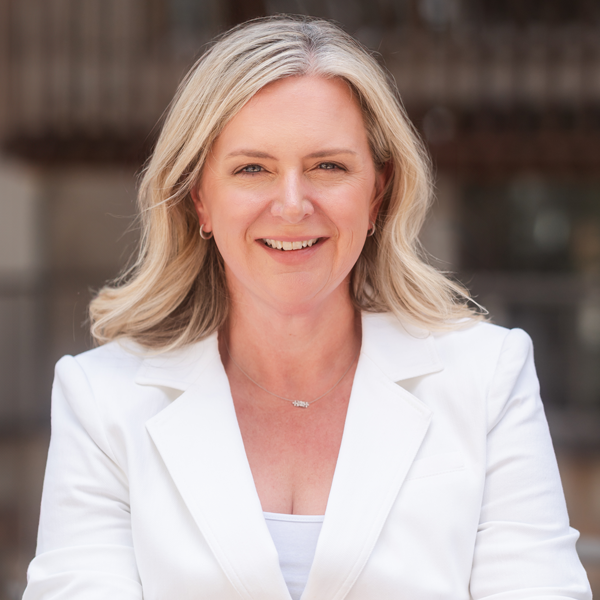
Founder & Podcast Producer at The Axis
Eva Sheie is a startup veteran, content strategist, podcast producer, and professional musician. She is the founder of The Axis, a podcast production agency devoted to meeting the needs of women confronting life-changing medical decisions.
Previously as the Director of Practice Development at RealSelf, she built and scaled the RealSelf University customer education program, and hosted the RealSelf University Podcast. Today she is the host of Meet the Doctor, co-host of Less of You, and the executive producer of numerous titles on behalf of clients, including Practiceland.
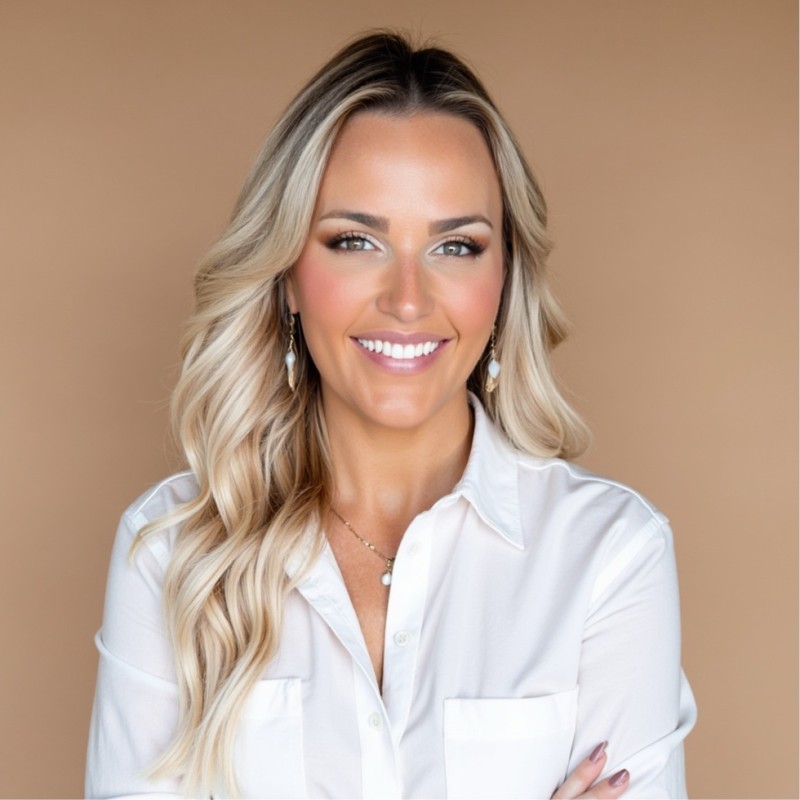
Chief Executive Officer, Belvara Collection
Bridgette Debrino is a seasoned aesthetics professional with over 15 years of experience spanning clinical care, marketing, and operations. Her career began behind the treatment chair and evolved into leadership roles that shaped the growth of top practices in South Florida. Today, she brings that same passion and expertise to Belvara Collection, where she’s helping independent providers thrive with the support, structure, and freedom they need to build successful, balanced businesses.
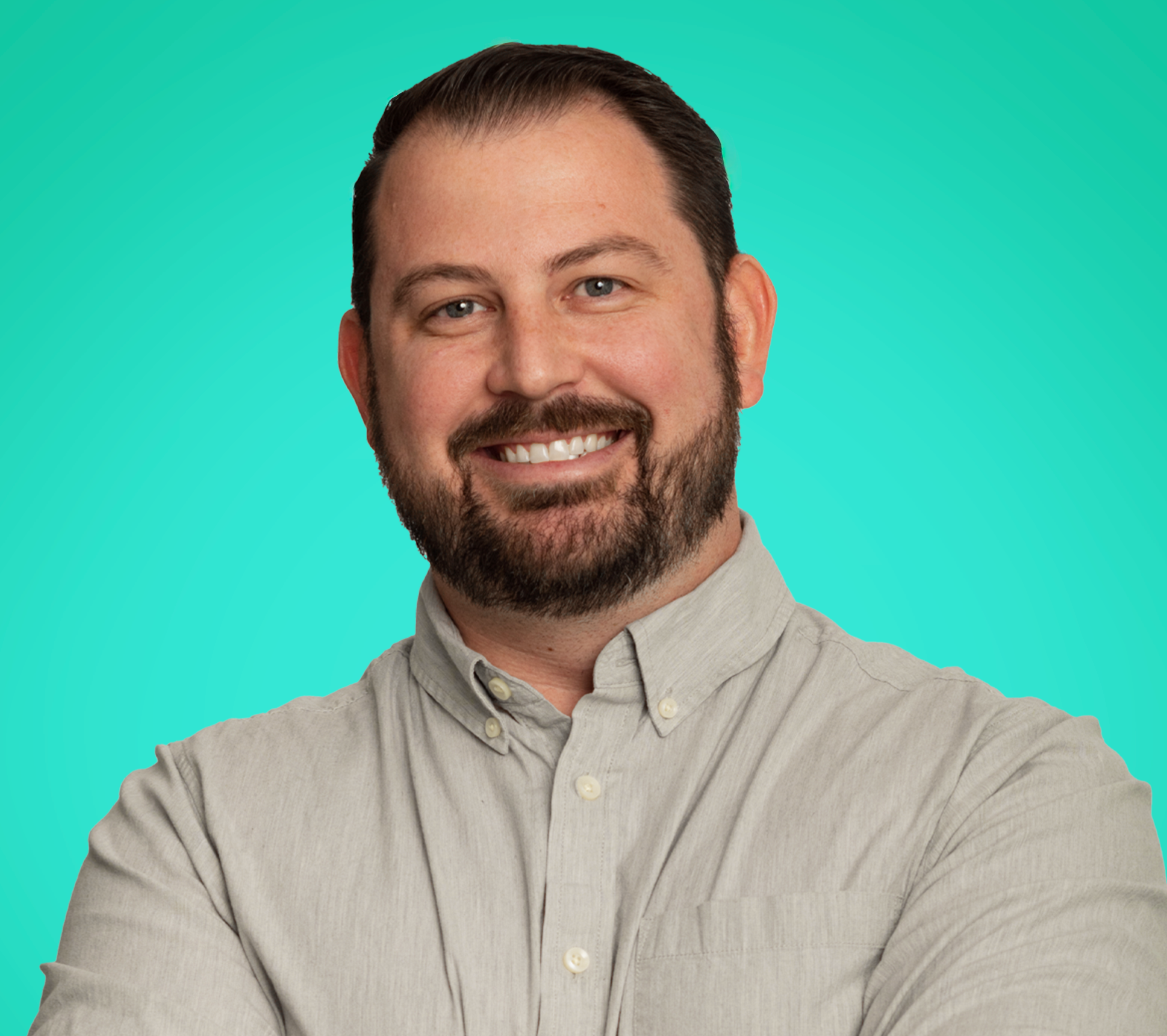
Senior Director of Customer Experience at PatientFi
Blake Lucas is all about creating great customer experiences and making things easier for both businesses and their clients. As Senior Director of Customer Experience at PatientFi, he helps medical practices offer seamless financing options to their patients.
With a background in training, account management, and leadership, he’s passionate about motivating teams and improving processes. When he’s not working, he’s busy being a proud dad to his twin boys, finding joy in the everyday chaos of fatherhood.
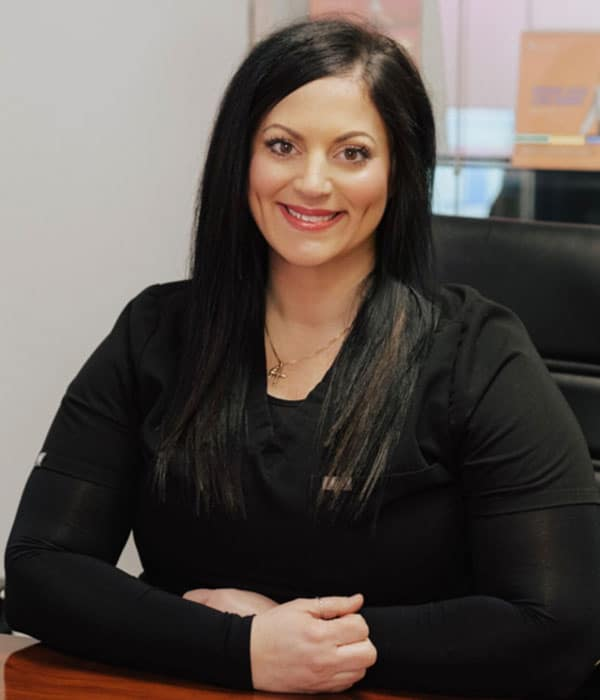
Patient Care Coordinator at Zelko Aesthetics
Sara Amann is a patient care coordinator at Zellko Aesthetics with nearly 20 years’ experience in aesthetics and cosmetic surgery. She’s known for mastering the art of presenting monthly payment plans that empower patients, quadrupling practice sales through her approachable consult style and dedication to making procedures accessible for all. Sara’s expertise in team training, technology, and creative patient solutions makes her a sought-after leader in elevating the patient experience.